UTEP psychologist studies persuasive power of victim-named laws
March 5, 2026 - 23:41
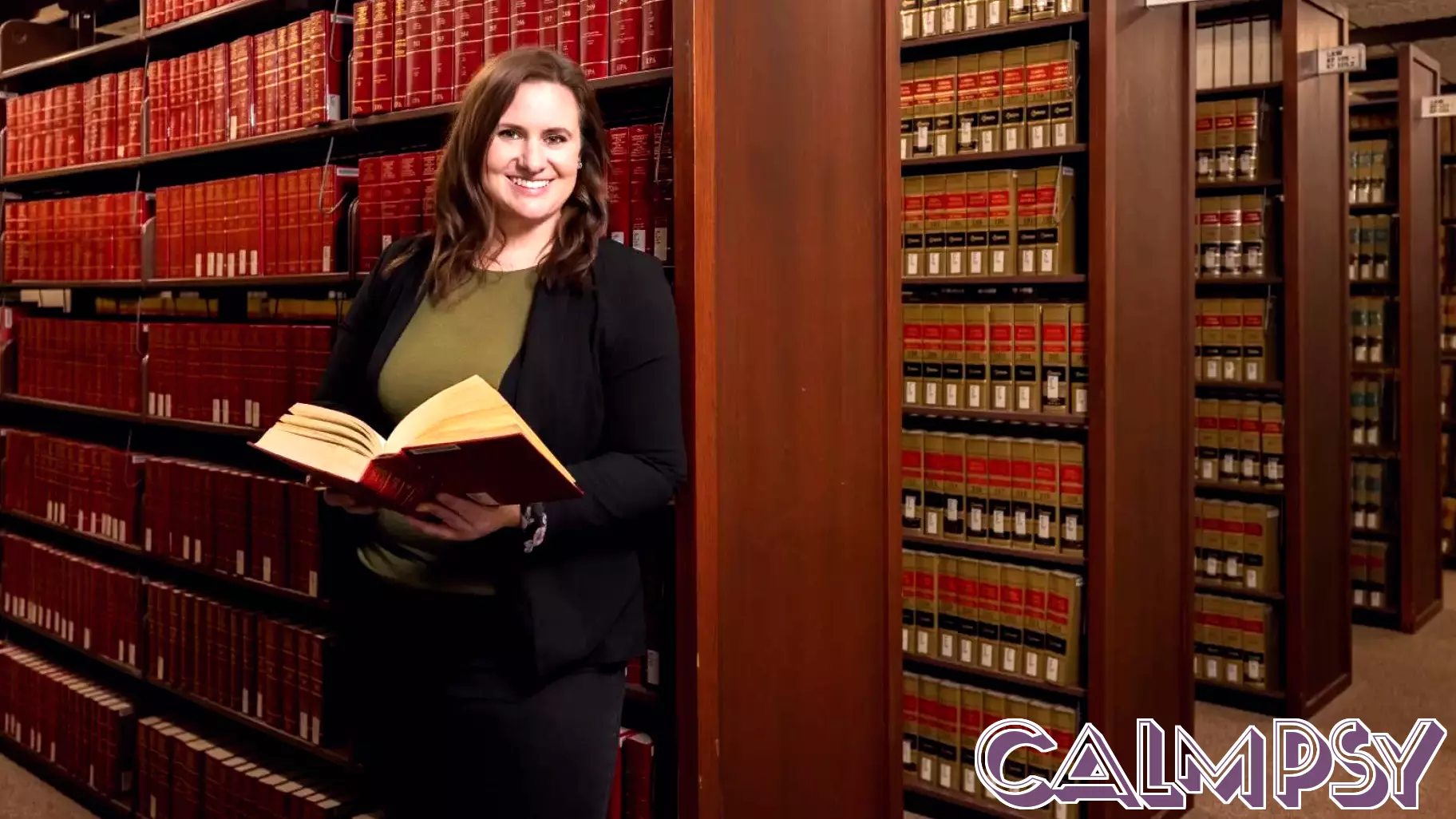
A decade ago, psychologist Krystia Reed attended a presentation on juvenile justice that sparked a profound professional curiosity. The presenter discussed laws named after specific crime victims, such as "Megan's Law" or "Amber Alerts." Reed, then a graduate student, was struck by a compelling question: does attaching a victim's name to a piece of legislation inherently make it more persuasive to the public and policymakers?
Now an assistant professor at The University of Texas at El Paso, Reed is conducting pioneering research into this very phenomenon. Her work examines the psychological impact of what she terms "victim-named laws." The central hypothesis is that such personalization may trigger stronger emotional responses, potentially bypassing deeper analytical scrutiny of the policy's content or broader implications.
"These names can evoke empathy and a sense of urgency," Reed explains. Her studies explore whether this framing leads individuals to support laws more readily, regardless of their actual effectiveness or potential for unintended consequences. The research aims to understand the balance between honoring victims and ensuring that legislative decisions are driven by evidence and rational deliberation.
This line of inquiry is particularly relevant in an era where emotionally charged narratives often dominate political discourse. By uncovering the mechanisms behind this persuasive tool, Reed's work contributes to a greater understanding of how public opinion is shaped and how society can craft meaningful, effective policy while respectfully acknowledging profound personal loss. Her findings could inform more transparent discussions about the motivations and expected outcomes behind future legislation.
MORE NEWS

October 17, 2026 - 04:37
Learn, Burn, Return: 4 Ways to Battle Performance Anxiety, According to a Confidence CoachWorried about stumbling before a high-stakes event, like a race or a job interview? Psychologist Cindra Kamphoff offers creative strategies to overcome the jitters and build confidence in the...

October 16, 2026 - 00:08
Sensitivity Trait Linked More to Social Cues Than Physical SurroundingsNew research suggests that the personality trait commonly called environmental sensitivity may be poorly named. While the term implies that highly sensitive people are primarily affected by their...

October 15, 2026 - 11:40
Why Financially Secure People Still Feel Guilty at Expensive RestaurantsMany people who can comfortably afford a high-end meal still feel a knot of discomfort when the bill arrives. Psychology offers some explanations for this contradiction, and they often trace back...

October 14, 2026 - 18:30
US Military Denies Iranian Allegations of Psychological Pressure on Civilian SailorsThe United States military has pushed back against claims made by an Iranian official who alleged that American forces are subjecting civilian sailors to serious stress and psychological pressure...