The Emotional Toll of Cuba's Deepening Crisis
June 2, 2026 - 02:31
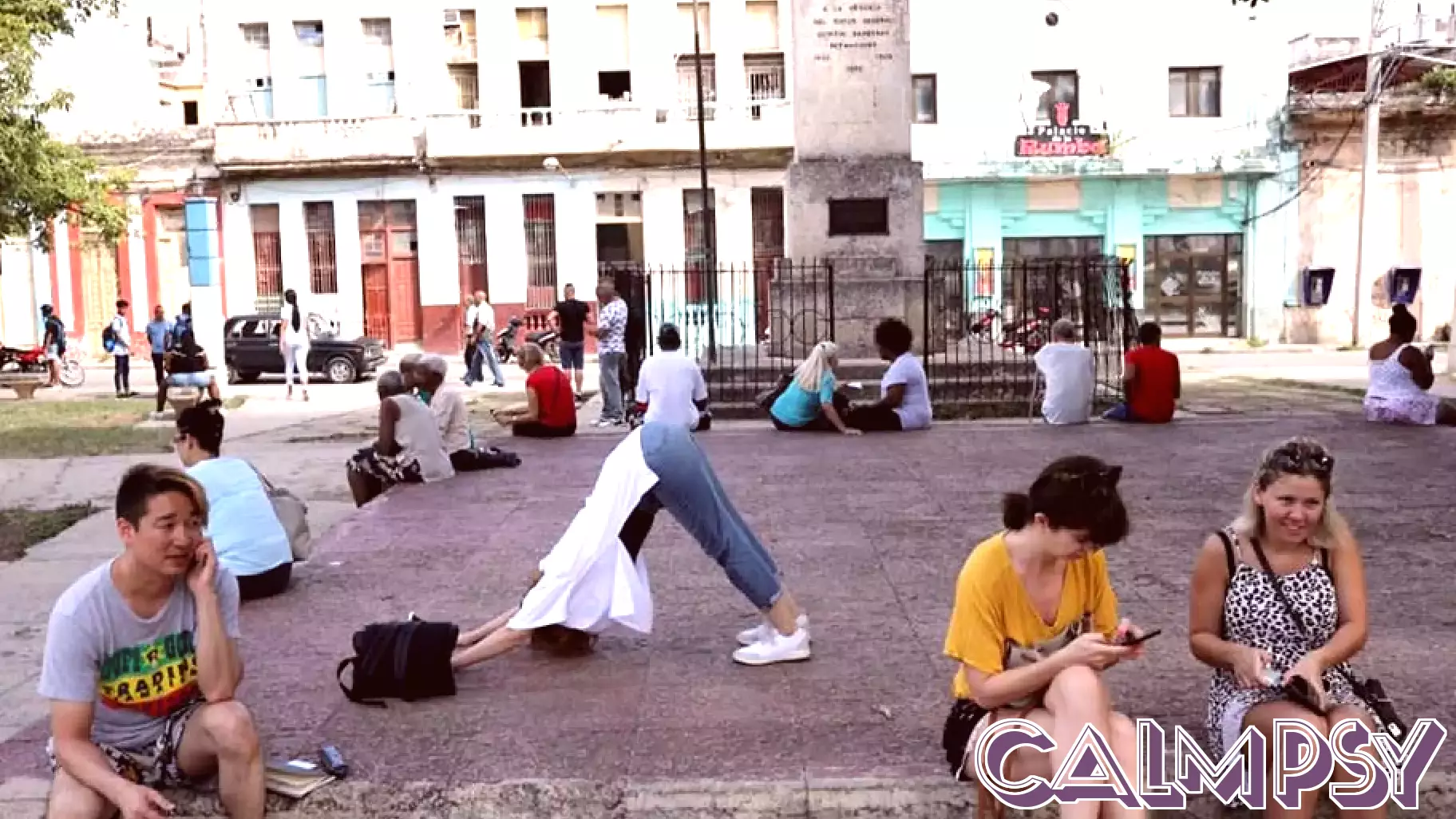
Cuba's ongoing economic and social collapse is taking a severe psychological toll on its population, with experts warning that the nation is now facing a crisis of mental health unlike anything seen before. What was once considered temporary stress has transformed into something far more alarming: chronic emotional exhaustion.
Psychologists and healthcare workers on the island report that Cubans are no longer showing signs of acute, short-term anxiety tied to specific shortages or blackouts. Instead, they describe a population suffering from a deep, persistent fatigue that affects every aspect of daily life. This condition, often referred to as "burnout" in clinical settings, manifests as emotional numbness, a loss of motivation, and a sense of hopelessness that resists simple solutions.
The roots of this exhaustion are clear. For years, Cubans have endured rolling blackouts, severe shortages of food and medicine, and a crumbling infrastructure. Each day brings new obstacles, from waiting in long lines for basic goods to navigating a transportation system that barely functions. The cumulative effect is a population that feels trapped, unable to see a way out of the downward spiral.
Children and the elderly are particularly vulnerable. Schools struggle to operate, and many families cannot afford adequate nutrition. The elderly, who once relied on state pensions, now find those payments nearly worthless due to inflation and currency devaluation. The result is a society where even the most resilient individuals are reaching their breaking point.
Mental health services, already underfunded before the crisis, are now overwhelmed. Psychiatrists report that many patients cannot afford medications, and therapy sessions are often cut short due to power outages. The government has acknowledged the problem but offers few concrete solutions, leaving Cubans to cope on their own.
Neighbors and families have become each other's primary support systems, but even these networks are fraying. The constant stress erodes patience and compassion, leading to increased domestic tensions and social isolation. For many, the dream of a better future has been replaced by the grim reality of just surviving another day.
As the crisis deepens, the psychological scars will likely last for generations. Without meaningful intervention, the emotional exhaustion now gripping Cuba may become its most enduring and painful legacy.
MORE NEWS

October 15, 2026 - 11:40
Why Financially Secure People Still Feel Guilty at Expensive RestaurantsMany people who can comfortably afford a high-end meal still feel a knot of discomfort when the bill arrives. Psychology offers some explanations for this contradiction, and they often trace back...
October 14, 2026 - 18:30
US Military Denies Iranian Allegations of Psychological Pressure on Civilian SailorsThe United States military has pushed back against claims made by an Iranian official who alleged that American forces are subjecting civilian sailors to serious stress and psychological pressure...

October 14, 2026 - 14:18
How Russia Uses Information and Psychological Operations Against UkraineRussia continues to wage a parallel war against Ukraine in the information space, relying on psychological operations designed to intimidate citizens, discredit the authorities, and erode trust in...

October 13, 2026 - 22:24
Mental Health Struggles Double for Survivors of Intimate Partner ViolencePeople who survive intimate partner violence face a much higher risk of mental health conditions than the general population. Research shows that mental disorders are twice as common among...