Psychology says people who pack far more than they need for trips often developed these planning instincts long before they ever started traveling
March 6, 2026 - 18:44
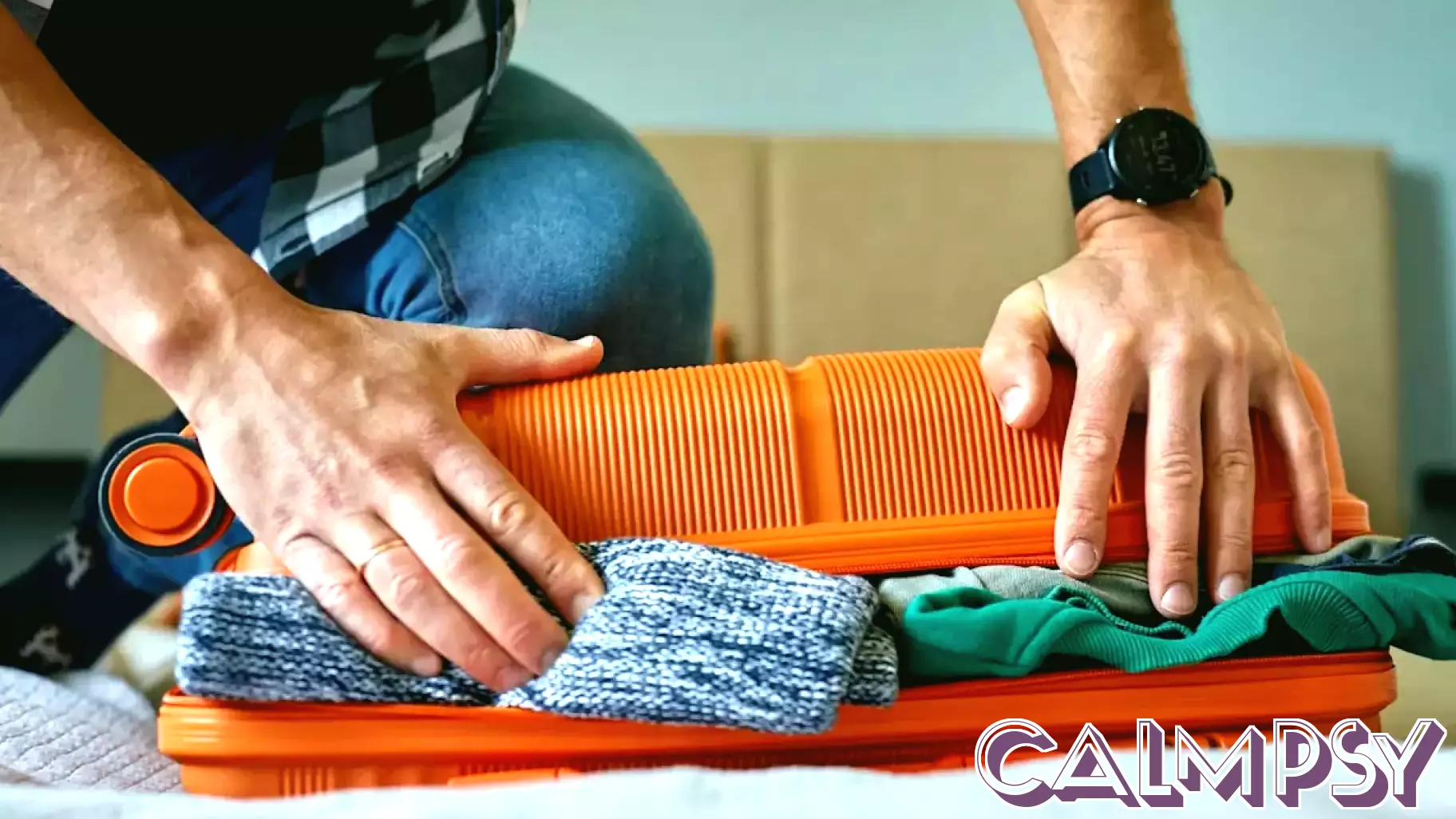
A surprisingly full suitcase often says more about someone’s early habits than their travel style. According to psychological insights, the tendency to pack far more than necessary for a trip is frequently rooted in long-established planning instincts developed long before frequent travel began.
This behavior is commonly traced to formative experiences where preparedness was equated with security or control. Individuals who grew up in environments where scarcity was a concern, or where unexpected events caused significant stress, may subconsciously over-prepare as adults. The act of overpacking becomes a ritual of comfort, creating a portable safety net against the unpredictable nature of journeys.
Psychologists note that this goes beyond simple caution. It can reflect a deep-seated desire to be ready for any scenario, a mindset forged in childhood. The "just in case" items crammed into a bag are physical manifestations of a mental framework aimed at mitigating anxiety. While practical packing lists are ignored, the emotional checklist—preparedness for worry—is meticulously fulfilled.
This understanding reframes overpacking not as a mere logistical flaw, but as a personal coping mechanism. It highlights how our earliest lessons in navigating the world physically shape our choices, manifesting in behaviors that follow us all the way to the airport carousel. Recognizing this origin can be the first step toward packing lighter, both in luggage and in psychological burden.
MORE NEWS

October 18, 2026 - 16:03
Psychology says children can act differently around cousins than around classmates; here’s whyA child who talks nonstop, invents games and argues fearlessly with cousins at a family gathering may barely speak during a classroom activity. Another child who is confident among classmates may...
October 17, 2026 - 21:52
Why Luxury Dining Can Still Feel Uncomfortable Even When the Budget Allows ItThe bill is within budget. Rent is covered, savings are intact and there is no immediate financial reason to worry. Yet sitting in an upscale restaurant, surrounded by soft lighting and attentive...

October 17, 2026 - 04:37
Learn, Burn, Return: 4 Ways to Battle Performance Anxiety, According to a Confidence CoachWorried about stumbling before a high-stakes event, like a race or a job interview? Psychologist Cindra Kamphoff offers creative strategies to overcome the jitters and build confidence in the...

October 16, 2026 - 00:08
Sensitivity Trait Linked More to Social Cues Than Physical SurroundingsNew research suggests that the personality trait commonly called environmental sensitivity may be poorly named. While the term implies that highly sensitive people are primarily affected by their...