If you grew up eating dinner together as a family every night, psychology says you developed these 8 social strengths most people never build
March 6, 2026 - 08:06
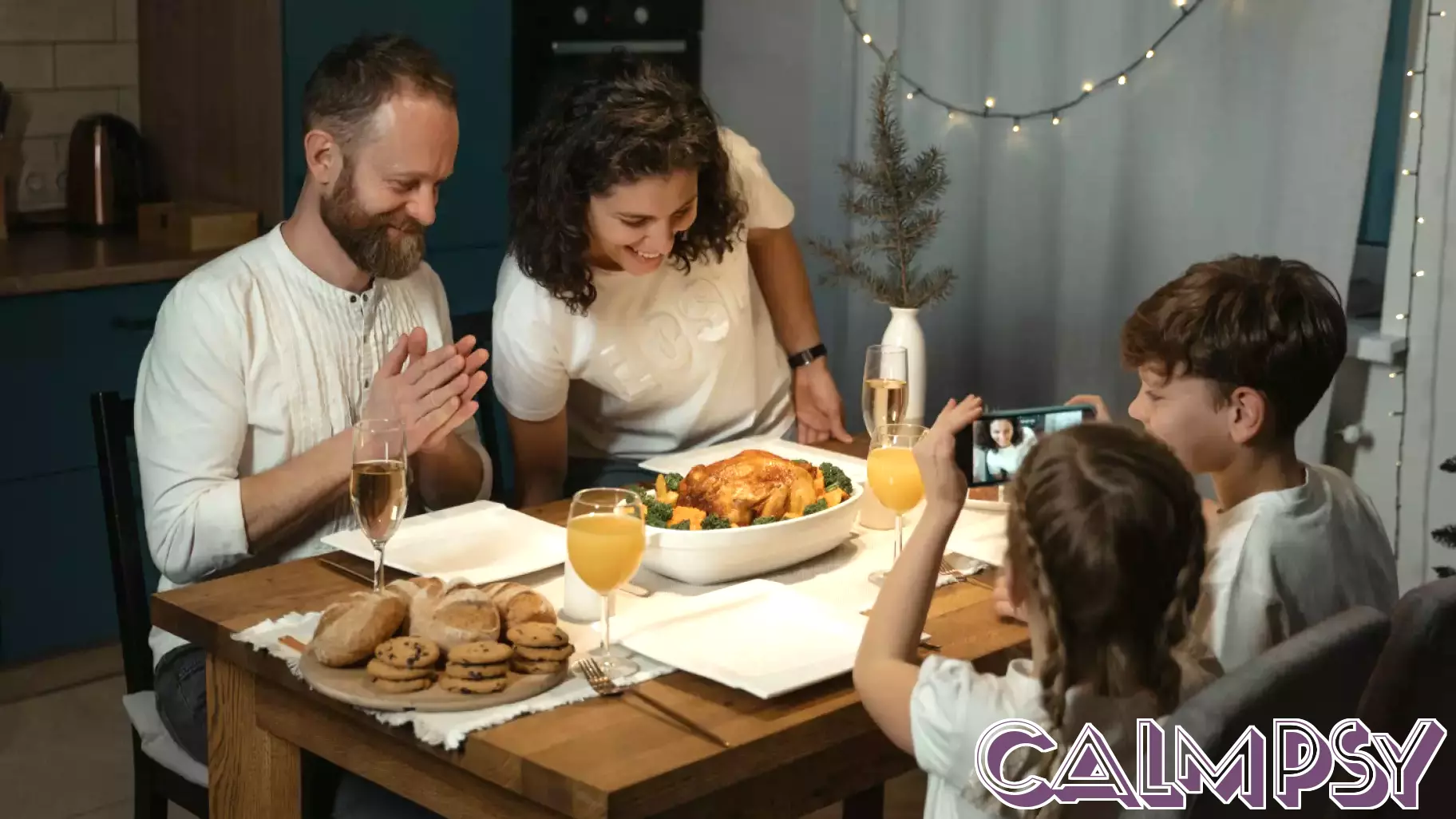
New psychological research suggests that the simple, consistent ritual of sharing a family meal each night builds a unique set of social competencies that are difficult to replicate later in life. For those who grew up with this tradition, it was far more than just eating; it was a daily masterclass in human connection.
Experts highlight eight key strengths often developed in this environment. These include advanced conversational turn-taking, the ability to read nuanced non-verbal cues around a crowded table, and a natural capacity for empathetic listening. The setting also fostered conflict resolution skills during minor disagreements and built a fundamental sense of belonging and security.
Furthermore, regular exposure to diverse topics of conversation from different generations expanded vocabulary and worldviews. It cultivated patience, through waiting for others to finish, and honed the subtle art of compromise, whether about the evening's topic or the last piece of chicken. This consistent practice in a low-stakes, supportive environment essentially hardwired a robust social skill set.
In today's fast-paced world, where meals are often solitary or rushed, this research underscores the profound, long-term value of that shared time. The dinner table, it seems, was less about nutrition and more about building the foundational blocks for how we relate to others throughout our lives.
MORE NEWS

October 18, 2026 - 16:03
Psychology says children can act differently around cousins than around classmates; here’s whyA child who talks nonstop, invents games and argues fearlessly with cousins at a family gathering may barely speak during a classroom activity. Another child who is confident among classmates may...

October 17, 2026 - 21:52
Why Luxury Dining Can Still Feel Uncomfortable Even When the Budget Allows ItThe bill is within budget. Rent is covered, savings are intact and there is no immediate financial reason to worry. Yet sitting in an upscale restaurant, surrounded by soft lighting and attentive...

October 17, 2026 - 04:37
Learn, Burn, Return: 4 Ways to Battle Performance Anxiety, According to a Confidence CoachWorried about stumbling before a high-stakes event, like a race or a job interview? Psychologist Cindra Kamphoff offers creative strategies to overcome the jitters and build confidence in the...

October 16, 2026 - 00:08
Sensitivity Trait Linked More to Social Cues Than Physical SurroundingsNew research suggests that the personality trait commonly called environmental sensitivity may be poorly named. While the term implies that highly sensitive people are primarily affected by their...