Young Minds: Children Prove to be Early Systematic Problem-Solvers
October 4, 2025 - 02:06
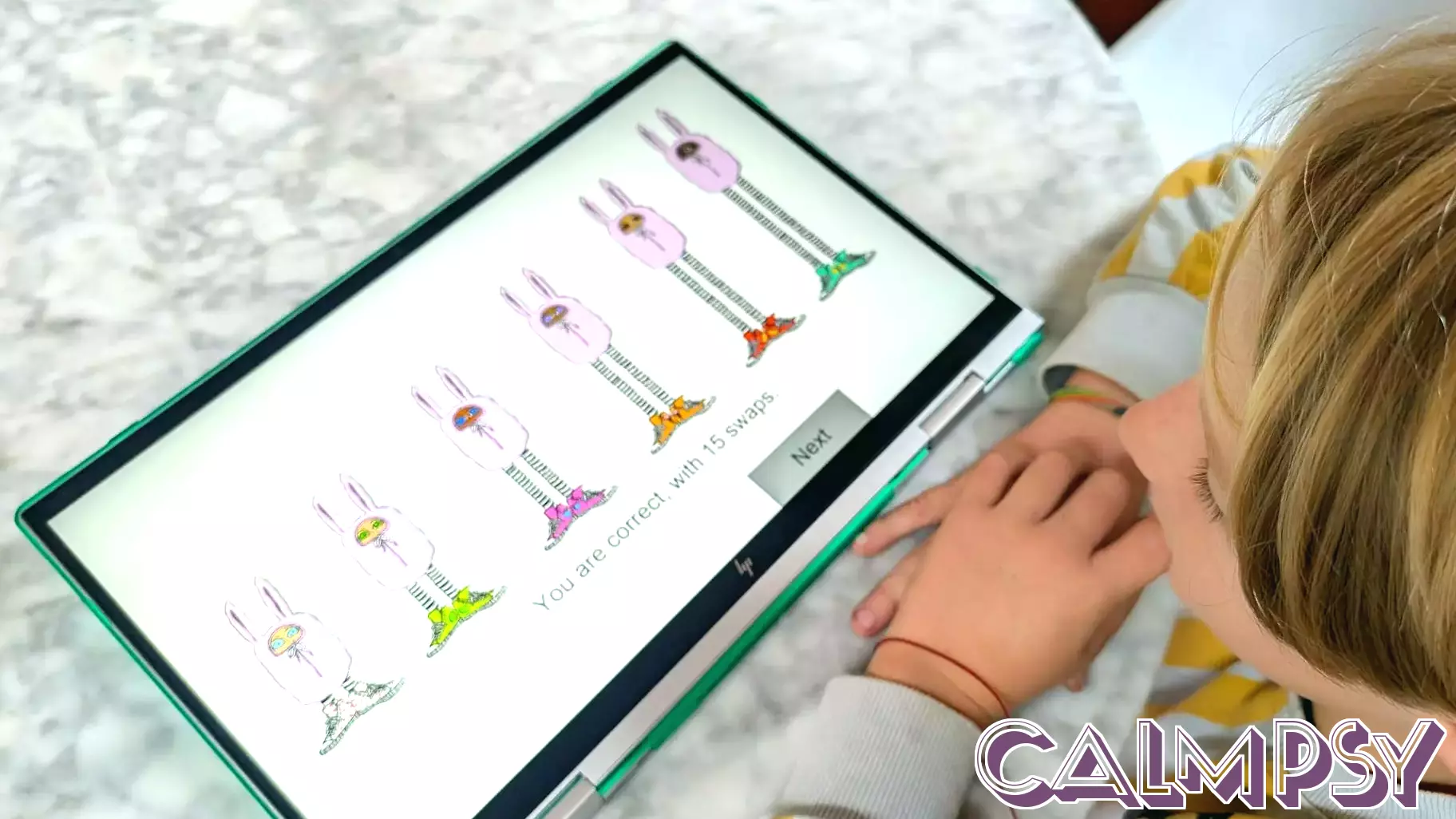
Recent research has revealed that children possess the ability to tackle complex problems with systematic solutions at a much younger age than previously thought by psychologists. By increasing the difficulty of specific test tasks, researchers were able to demonstrate that even young children can engage in sophisticated problem-solving strategies.
This groundbreaking study challenges long-held beliefs about cognitive development in children, suggesting that their capacity for logical reasoning and systematic thinking emerges earlier than many experts have assumed. The findings indicate that children are not merely passive learners but rather active problem-solvers who can navigate challenges effectively.
As educators and parents seek to nurture these skills, the implications of this research could reshape how we approach teaching and learning in early childhood. By recognizing and fostering these abilities from a young age, we can better support children's cognitive growth and prepare them for future intellectual challenges. This study opens the door to further exploration of the potential within young minds.
MORE NEWS

October 4, 2026 - 06:43
Why Some Children Restart Drawings Until They Look RightA child sits down with a sheet of paper and starts drawing. The first attempt does not look quite the way they imagined it. So they flip the page and begin again. Then again. To a parent watching...

October 3, 2026 - 20:42
Trump's 'stroke' pathways are now 'crossing the brain': psychologistA widely cited psychologist raised concerns on Friday evening about a series of unusual behaviors displayed by President Donald Trump. Dr. John Garrision pointed to what he described as strange and...
October 3, 2026 - 09:31
Psychology says children who turn household objects into toys may have stronger imaginations than parents realiseA banana held to the ear. A saucepan worn as a helmet. A cardboard box turned into a rocket ship. Children everywhere transform ordinary household objects into toys, and parents often brush it off...

October 2, 2026 - 19:11
Small Daily Practice May Improve Wellbeing in SecondsPsychologist Eli Susman researched different techniques for improving wellbeing and discovered it doesn`t take long to feel better. His findings suggest that a brief daily practice, sometimes...