Psychology says people who pick up litter even when no one is watching usually display these 7 traits that are becoming increasingly rare
February 20, 2026 - 03:37
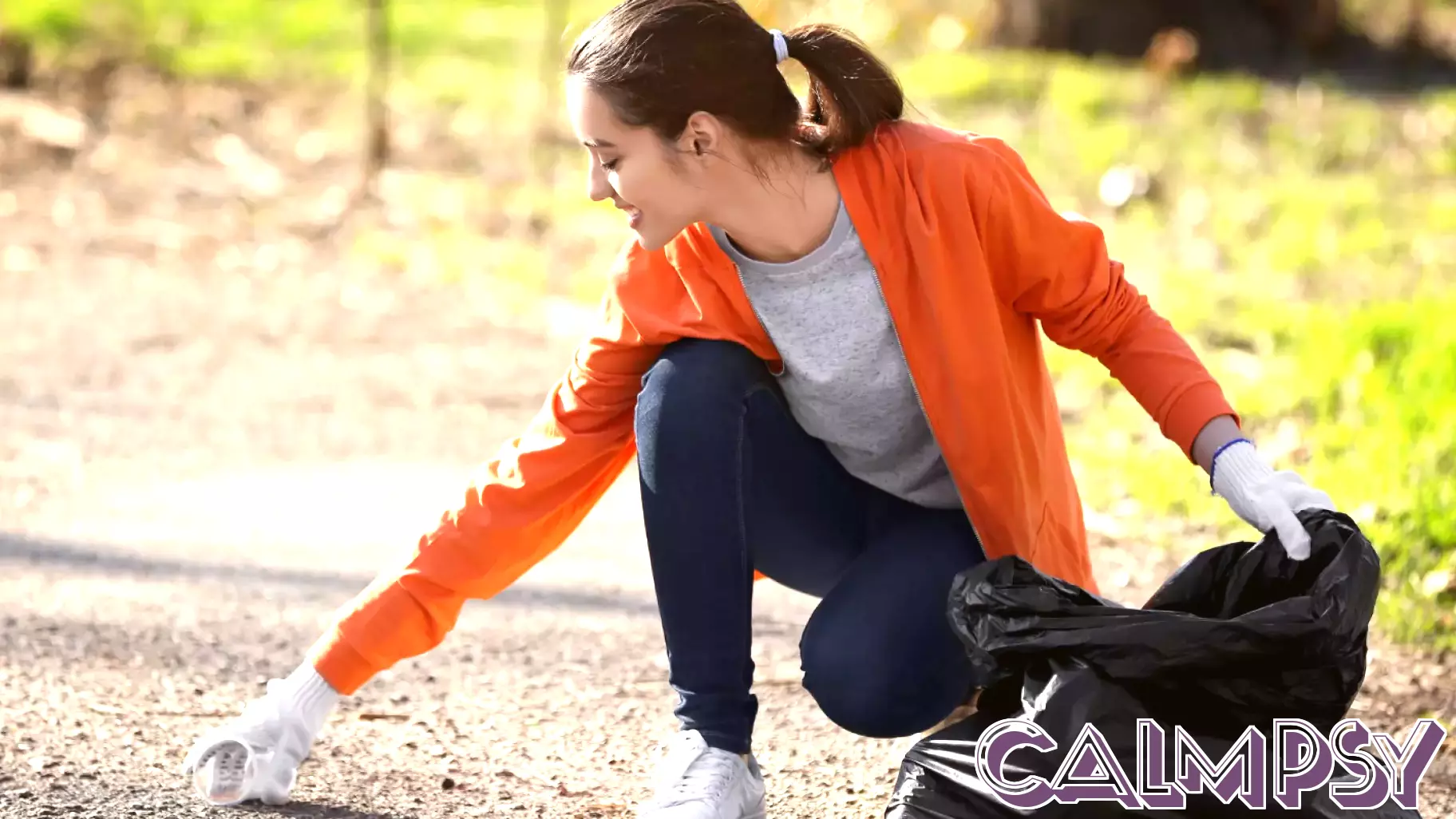
In a world where actions are often performed for social validation, a simple, unobserved act—picking up a stray piece of litter—can speak volumes about a person's character. Psychologists note that individuals who engage in this selfless behavior, with no audience to applaud them, typically exhibit a cluster of seven increasingly rare traits.
Foremost among these is a profound sense of personal responsibility. These individuals feel an intrinsic duty to their environment, believing that care for shared spaces is a personal obligation, not a collective chore. This is closely tied to high levels of empathy and consideration for others; they think of the community member who will next pass by, the local wildlife, or the person who must clean the area.
They possess exceptional integrity, where their internal moral compass is stronger than any external reward or recognition. This aligns with a deep-seated humility; they derive satisfaction from the act itself, not from praise. Furthermore, they exhibit a strong future-time perspective, understanding that small actions today prevent larger problems tomorrow, showcasing both foresight and environmental stewardship.
These individuals also typically have a low need for social approval, finding motivation within rather than from others' opinions. Finally, this behavior reflects a powerful belief in self-efficacy—the conviction that their individual action, however small, genuinely matters and can contribute to positive change. Together, these traits paint a picture of a conscientious citizen, a quiet guardian whose values are becoming uncommon in an age of performative kindness. Their actions reinforce that true character is defined by what one does when no one is watching.
MORE NEWS

October 3, 2026 - 20:42
Trump's 'stroke' pathways are now 'crossing the brain': psychologistA widely cited psychologist raised concerns on Friday evening about a series of unusual behaviors displayed by President Donald Trump. Dr. John Garrision pointed to what he described as strange and...
October 3, 2026 - 09:31
Psychology says children who turn household objects into toys may have stronger imaginations than parents realiseA banana held to the ear. A saucepan worn as a helmet. A cardboard box turned into a rocket ship. Children everywhere transform ordinary household objects into toys, and parents often brush it off...
October 2, 2026 - 19:11
Small Daily Practice May Improve Wellbeing in SecondsPsychologist Eli Susman researched different techniques for improving wellbeing and discovered it doesn`t take long to feel better. His findings suggest that a brief daily practice, sometimes...

October 2, 2026 - 07:01
'Deeply sorry': Psychology groups apologise for racism towards MāoriTwo professional psychology organisations have issued a formal apology to Maori for the harm caused by racism within the discipline of psychology. The statement acknowledges decades of practices...