Why we’re bad at detecting lies, according to scientists—and The Traitors
March 11, 2026 - 23:28
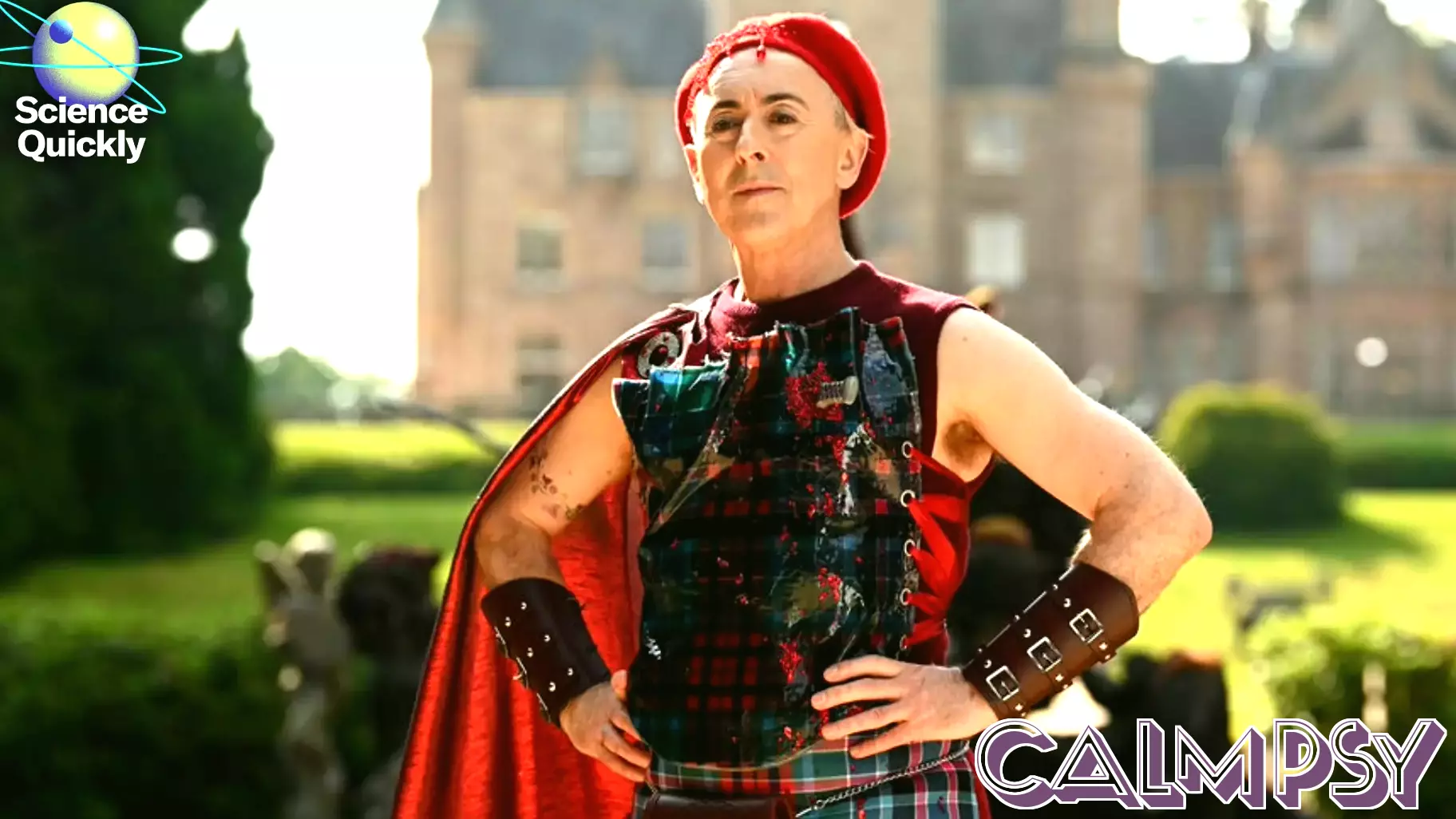
The hit reality show The Traitors has captivated audiences by showcasing masterful deceit, but it also highlights a startling truth: humans are remarkably poor at detecting lies. Scientific research explains why we so often get it wrong, and the dynamics on the show serve as a perfect case study.
A primary reason is cognitive overload. Our brains are not designed to be constant lie detectors. In everyday interactions, we operate on a presumption of truthfulness to conserve mental energy. When someone tells a convincing story, we naturally process the narrative itself rather than meticulously scanning for inconsistencies. This automatic trust is exploited by skilled deceivers who provide plausible, detailed accounts.
Furthermore, we rely on misleading cues. Popular culture suggests liars fidget, avoid eye contact, or stumble over words. However, studies consistently show these behaviors are unreliable indicators. Confident, charismatic individuals—often benefiting from what’s colloquially called "pretty privilege" or the "halo effect"—can deliver falsehoods with such composure that we mistake their poise for honesty. Conversely, nervous truth-tellers may appear guilty.
The environment of The Traitors amplifies these flaws. Under the pressure of suspicion and high stakes, players experience heightened emotions, which clouds judgment and leads to accusations based on gut feeling rather than evidence. This mirrors real-life situations where stress impairs our analytical abilities. Ultimately, the show demonstrates that successful deception hinges less on perfect acting and more on understanding and manipulating human psychology’s inherent trust and bias.
MORE NEWS

October 23, 2026 - 15:25
Psychology says parents who read bedtime stories every night may be building more than a love of books, language skills and healthy routinesFor many families, bedtime follows a familiar pattern. Teeth are brushed, a favourite book comes out, and a child settles beside a parent to hear a story they may already know by heart. According...

October 22, 2026 - 19:28
Three Psychological Thrillers to Stream on Netflix This WeekendIf you want a weekend that gets under your skin, Netflix has a solid lineup of psychological thrillers that trade jump scares for slow-building dread. These films focus on twisted minds, unsettling...

October 22, 2026 - 00:01
Psychologist Access Is Becoming More Unequal, and the Gap Is WideningMedicare rebates are meant to make psychologist visits cheaper and more accessible. But data shows those on the lowest incomes are missing out. New analysis reveals a growing divide in who can...

October 21, 2026 - 16:17
Children Who Ask Parents to Keep Secrets May Have Reasons Beyond Simple Privacy`Please don`t tell Mum.` `Dad doesn`t need to know.` A child may make these requests after getting an extra treat, breaking something by accident or sharing information they are not ready for the...