Braille-Enhanced Brain Models Open Lab Doors for Psychology Student with Vision Loss
April 25, 2026 - 21:11
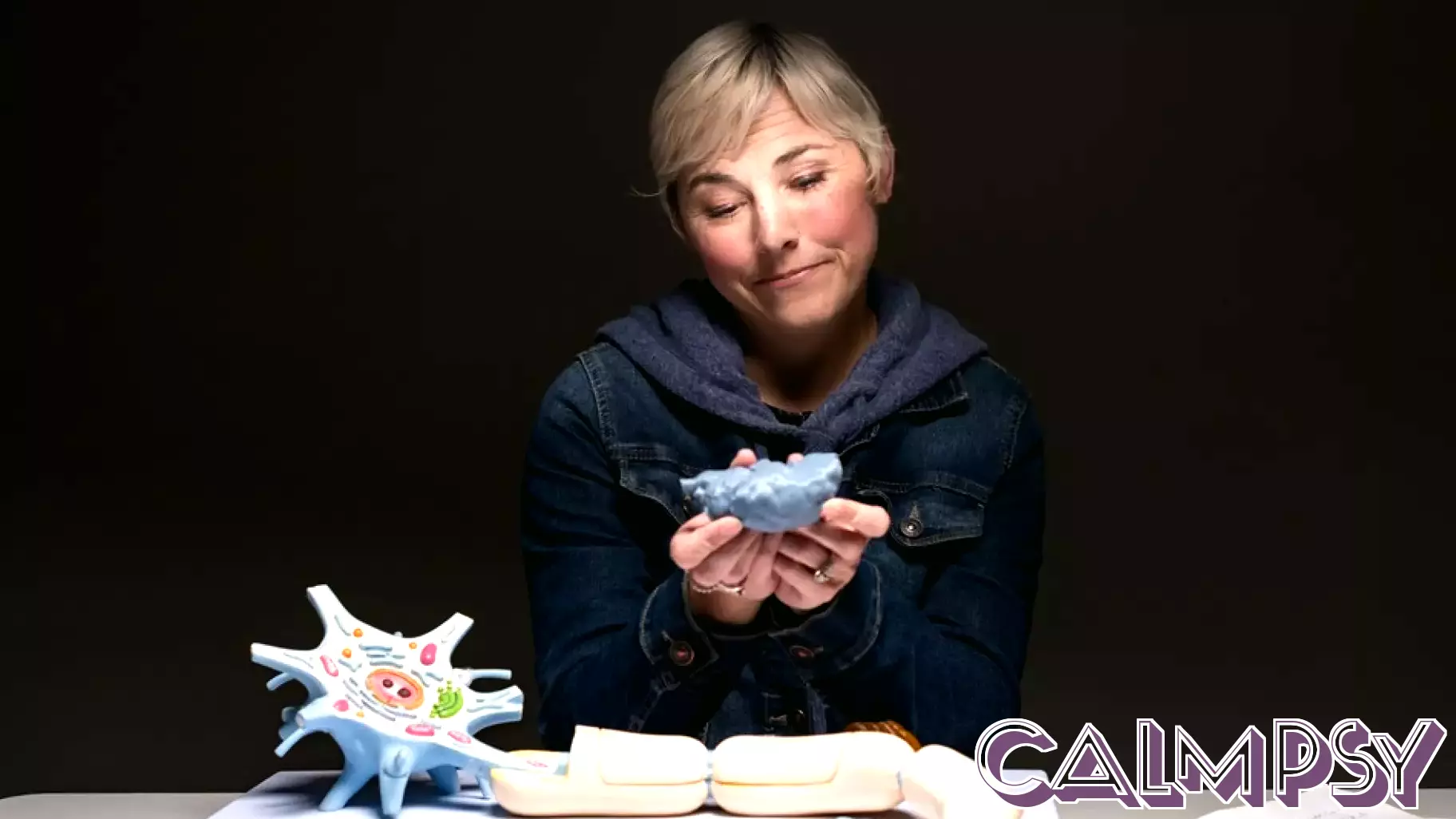
The University's Accessibility Resource Center has transformed the learning experience for Joy Orlando, a psychology student who lost her eyesight, by creating specialized braille-labelled brain models that allow her to "see" complex anatomical structures through touch. These custom-designed models, which feature raised braille labels and tactile markers for key regions like the frontal lobe, hippocampus, and cerebellum, now give Orlando the same hands-on access to course materials that her sighted peers take for granted.
Orlando, who enrolled in the university's psychology program after gradually losing her vision due to a degenerative condition, initially struggled with traditional lab components that relied heavily on visual diagrams and plastic models with tiny printed labels. "I could feel the shape of the brain, but without knowing which part was which, it was like trying to read a map in a foreign language," she explained. The Accessibility Resource Center stepped in after Orlando's professors raised concerns about her ability to complete required lab work. Staff collaborated with the psychology department and a local 3D printing specialist to produce a set of brain models with permanently affixed braille tags, as well as enlarged tactile diagrams with raised lines and textures differentiating neural pathways.
The project took several months to perfect, involving multiple rounds of feedback from Orlando to ensure the braille was legible and the tactile cues accurately represented the brain's intricate geography. "We wanted the models to be durable enough for repeated handling but detailed enough for academic rigor," said a center coordinator. The result is a set of tools that Orlando now uses independently during lab sessions, allowing her to identify structures by touch and participate fully in group dissections and discussions. Faculty members have noted that the models have also benefited other students, particularly those who learn best through kinesthetic methods. Orlando hopes the initiative will encourage other universities to adopt similar accommodations, emphasizing that accessibility is not about lowering standards but about removing barriers. "I don't need to see the brain to understand it," she said. "I just need to feel it."
MORE NEWS

October 22, 2026 - 19:28
Three Psychological Thrillers to Stream on Netflix This WeekendIf you want a weekend that gets under your skin, Netflix has a solid lineup of psychological thrillers that trade jump scares for slow-building dread. These films focus on twisted minds, unsettling...
October 22, 2026 - 00:01
Psychologist Access Is Becoming More Unequal, and the Gap Is WideningMedicare rebates are meant to make psychologist visits cheaper and more accessible. But data shows those on the lowest incomes are missing out. New analysis reveals a growing divide in who can...

October 21, 2026 - 16:17
Children Who Ask Parents to Keep Secrets May Have Reasons Beyond Simple Privacy`Please don`t tell Mum.` `Dad doesn`t need to know.` A child may make these requests after getting an extra treat, breaking something by accident or sharing information they are not ready for the...
October 20, 2026 - 19:06
Dreams and Daydreams May Provide Clues About Mental HealthDreams and mind-wandering have long fascinated psychologists and researchers studying the human mind. This is partly because these experiences offer glimpses into people`s inner lives, emotions,...