Why Jumping at Loud Noises Isn't a Sign of Fear, According to Psychology
July 6, 2026 - 00:29
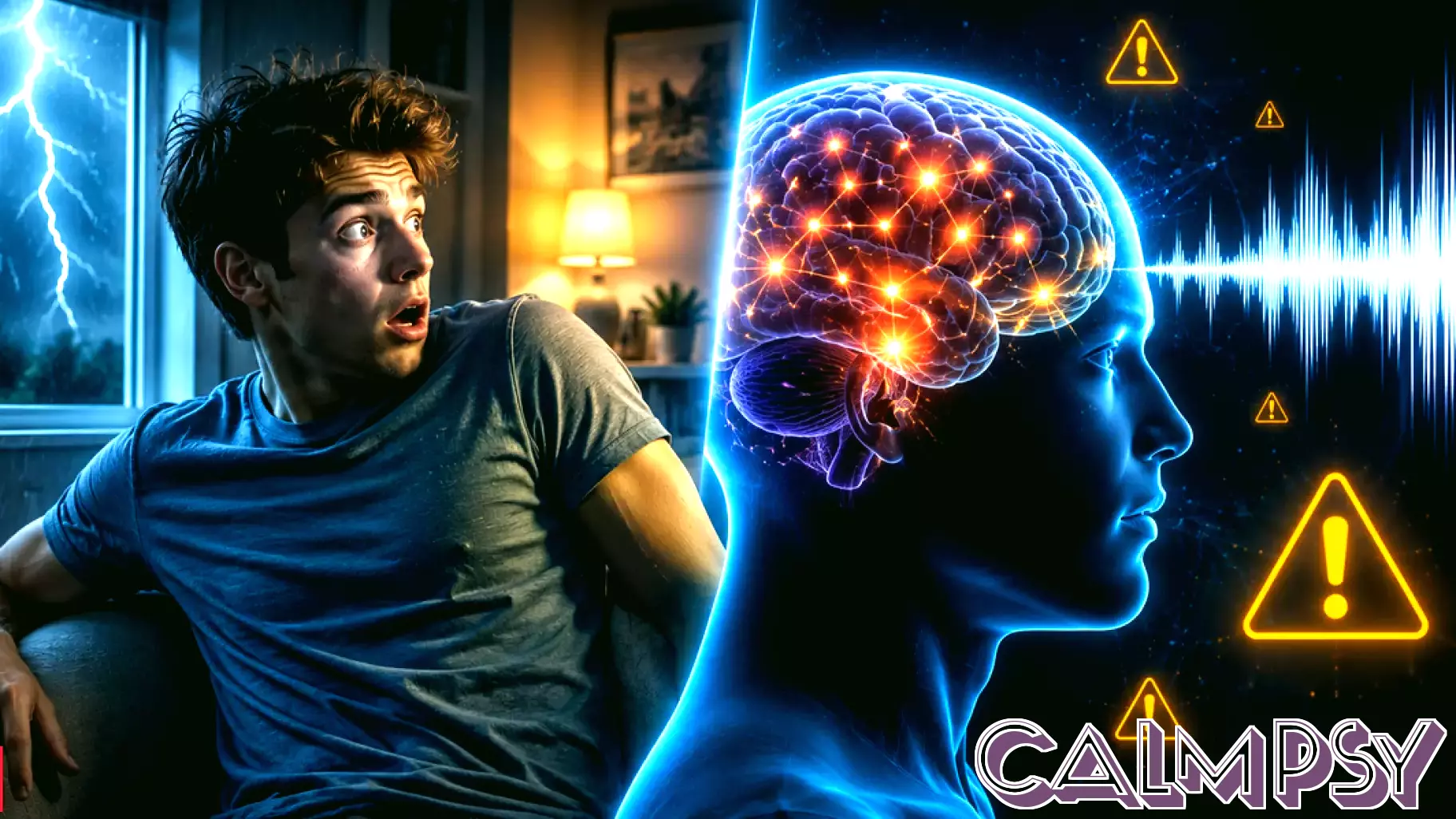
Psychology suggests that people who jump at loud noises aren't simply being dramatic. That sudden flinch is not necessarily a sign of deep-seated fear or anxiety. Instead, it is a sign that the nervous system is working exactly as it should.
When a loud noise occurs, the brain's primary job is to assess potential danger. This happens through a reflex called the acoustic startle reflex. It is an automatic, involuntary reaction that prepares the body for a possible threat. The jump, the blink, and the tensing of muscles are all part of this ancient survival mechanism. For some people, this reflex is simply more sensitive. Their nervous system reacts faster and stronger to sudden changes in the environment.
This heightened sensitivity is not a weakness. For others, it is a signal that the brain immediately investigates, long before conscious thinking begins. The brain quickly compares the sound to stored memories of danger. If the sound is harmless, the body relaxes. If it is not, the body stays ready for action. People who jump at loud noises often have a highly alert nervous system, which can be an advantage in situations that require quick reaction times.
So, the next time someone flinches at a balloon pop or a car horn, remember that it is not about being scared. It is about a brain that is doing its job with remarkable speed and efficiency.
MORE NEWS

October 3, 2026 - 20:42
Trump's 'stroke' pathways are now 'crossing the brain': psychologistA widely cited psychologist raised concerns on Friday evening about a series of unusual behaviors displayed by President Donald Trump. Dr. John Garrision pointed to what he described as strange and...
October 3, 2026 - 09:31
Psychology says children who turn household objects into toys may have stronger imaginations than parents realiseA banana held to the ear. A saucepan worn as a helmet. A cardboard box turned into a rocket ship. Children everywhere transform ordinary household objects into toys, and parents often brush it off...

October 2, 2026 - 19:11
Small Daily Practice May Improve Wellbeing in SecondsPsychologist Eli Susman researched different techniques for improving wellbeing and discovered it doesn`t take long to feel better. His findings suggest that a brief daily practice, sometimes...

October 2, 2026 - 07:01
'Deeply sorry': Psychology groups apologise for racism towards MāoriTwo professional psychology organisations have issued a formal apology to Maori for the harm caused by racism within the discipline of psychology. The statement acknowledges decades of practices...