Why We Can't Look Away: The Psychology Behind True Crime Obsession
August 19, 2026 - 00:16
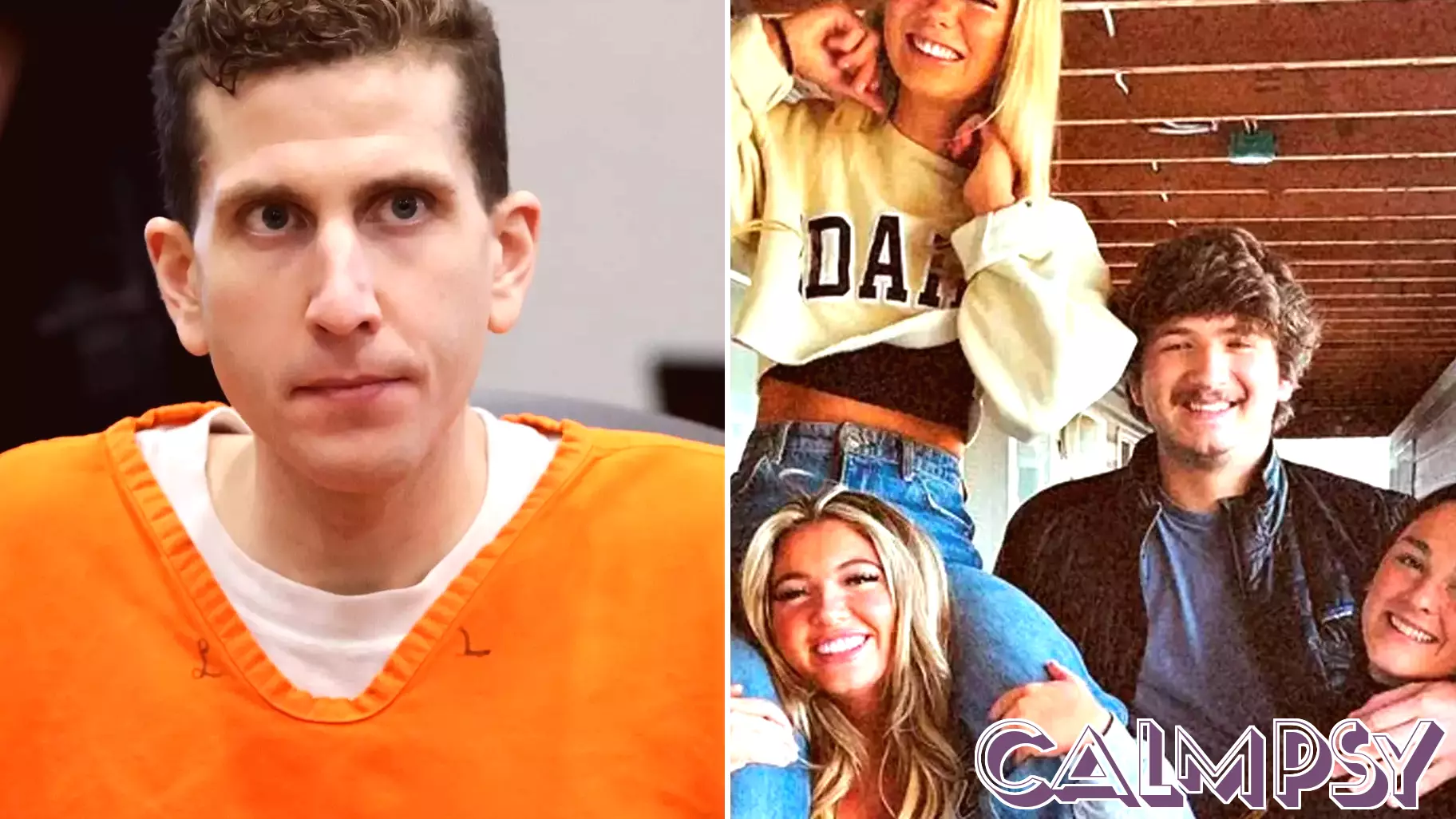
A couple of weeks ago, Netflix released The Idaho Murders: College Nightmare, a documentary revisiting the 2022 killings of four University of Idaho students. The series quickly climbed the streaming charts, adding another entry to an ever-growing library of documentaries, podcasts, and dramatizations about real-life violence. But why do millions of viewers find themselves drawn to stories of such profound tragedy?
Psychologists point to a mix of curiosity, fear, and a search for control. True crime offers a safe way to confront mortality and danger. Watching from the comfort of a couch, viewers can explore the darkest aspects of human nature without any real threat. It is a form of rehearsal, a way to mentally prepare for scenarios we hope never happen. This "safe danger" provides a thrill, similar to a roller coaster, but with a deeper cognitive layer.
Another key factor is the puzzle element. A murder case is a mystery with high stakes. Our brains are wired to seek resolution, and the process of sifting through clues, suspecting individuals, and trying to piece together a timeline is deeply engaging. It gives a sense of agency and intellectual satisfaction, especially when a case is solved.
Finally, there is a powerful social component. True crime has become a shared language. Discussing a case with friends, reading online forums, or reacting to a new episode creates a sense of community. It allows people to process collective anxiety and moral outrage together. The genre provides a framework for discussing justice, empathy, and the fragility of life, making the uncomfortable feel approachable and, oddly, comforting.
MORE NEWS

October 3, 2026 - 09:31
Psychology says children who turn household objects into toys may have stronger imaginations than parents realiseA banana held to the ear. A saucepan worn as a helmet. A cardboard box turned into a rocket ship. Children everywhere transform ordinary household objects into toys, and parents often brush it off...

October 2, 2026 - 19:11
Small Daily Practice May Improve Wellbeing in SecondsPsychologist Eli Susman researched different techniques for improving wellbeing and discovered it doesn`t take long to feel better. His findings suggest that a brief daily practice, sometimes...
October 2, 2026 - 07:01
'Deeply sorry': Psychology groups apologise for racism towards MāoriTwo professional psychology organisations have issued a formal apology to Maori for the harm caused by racism within the discipline of psychology. The statement acknowledges decades of practices...

October 1, 2026 - 22:44
Maria Abbott Sets Ambitious Goals for Her FutureMaria Abbott has always been a planner. As far back as the sixth grade, she began charting her university education and career, committing her big dreams to a notebook that became a map for her...