Opinion | What That $20 Burrito Says About the Psychology of Inflation
August 18, 2026 - 07:52
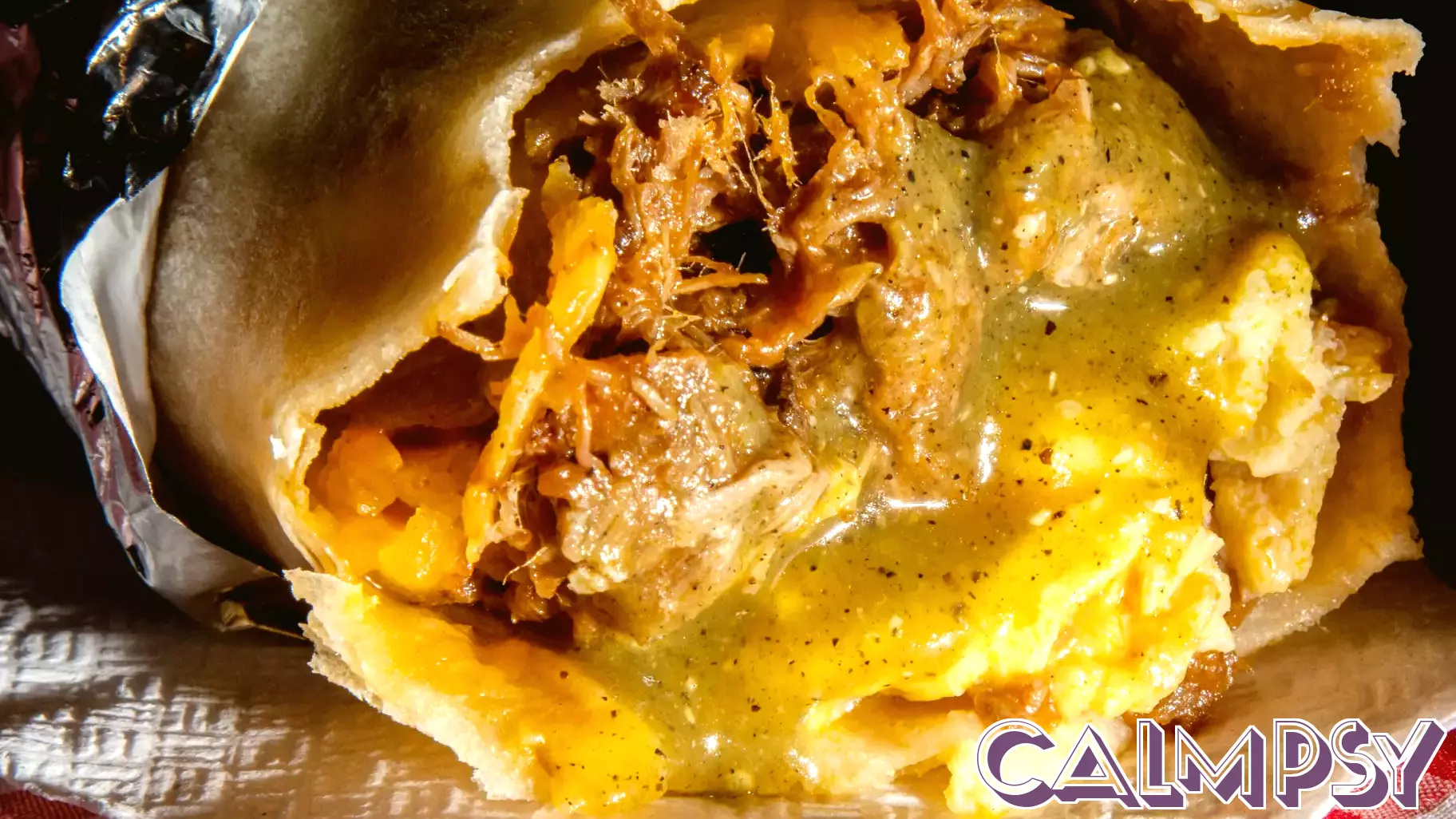
Walk into any trendy fast-casual spot these days and you might see it: a single burrito priced at twenty dollars. The reaction is almost universal. People snap photos, post them online, and vent about how the economy has lost its mind. But here is the thing. That burrito is not just food. It is a psychological trigger.
Inflation is not only about numbers on a spreadsheet. It is about what those numbers do to our sense of fairness. When the price of a gallon of milk goes up by fifty cents, we notice, but we grumble and move on. A twenty dollar burrito, though, feels like a personal insult. Why? Because a burrito has a mental anchor. For years, we have told ourselves that a burrito is a cheap, filling lunch. It belongs in the same category as a slice of pizza or a taco truck special. When that anchor breaks, our brain does not just register a price increase. It registers a betrayal.
Economists call this "price fairness." We accept that rent goes up. We accept that gas fluctuates. But for everyday items with a strong cultural identity, we have a hard ceiling. Crossing that ceiling feels arbitrary, even greedy. The restaurant owner sees rising costs for beef, cheese, and labor. They price the burrito to keep the lights on. The customer sees a menu item that used to cost nine dollars and now costs twenty. Both are right, and neither feels heard.
The real issue is that inflation has shifted from a slow creep to a visible jump. When prices rise gradually, we adjust our mental anchors over time. When they leap, we feel the sting all at once. That twenty dollar burrito is not just about the burrito. It is about the loss of a simpler time when a full meal did not require a small loan. The outrage is not irrational. It is a signal that our sense of normalcy has been broken, and we are all trying to figure out what the new normal should cost.
MORE NEWS

October 2, 2026 - 07:01
'Deeply sorry': Psychology groups apologise for racism towards MāoriTwo professional psychology organisations have issued a formal apology to Maori for the harm caused by racism within the discipline of psychology. The statement acknowledges decades of practices...

October 1, 2026 - 22:44
Maria Abbott Sets Ambitious Goals for Her FutureMaria Abbott has always been a planner. As far back as the sixth grade, she began charting her university education and career, committing her big dreams to a notebook that became a map for her...

October 1, 2026 - 01:52
Women Exit Psychology Research at Higher Rates Than Men, Study FindsWomen enter academic psychology in greater numbers than men, yet they leave research at notably higher rates, especially during the early stages of their careers. This pattern emerges from new...

September 30, 2026 - 05:20
The Mental Habit Behind Wiping the Kitchen Slab Right After CookingIn many Indian homes, the day ends in the kitchen. The last roti is served, the gas is turned off, and then comes a small ritual: using a damp cloth, a few firm strokes across the slab, and a final...