Who Is the Subject of Evolutionary Psychology?
July 20, 2026 - 02:45
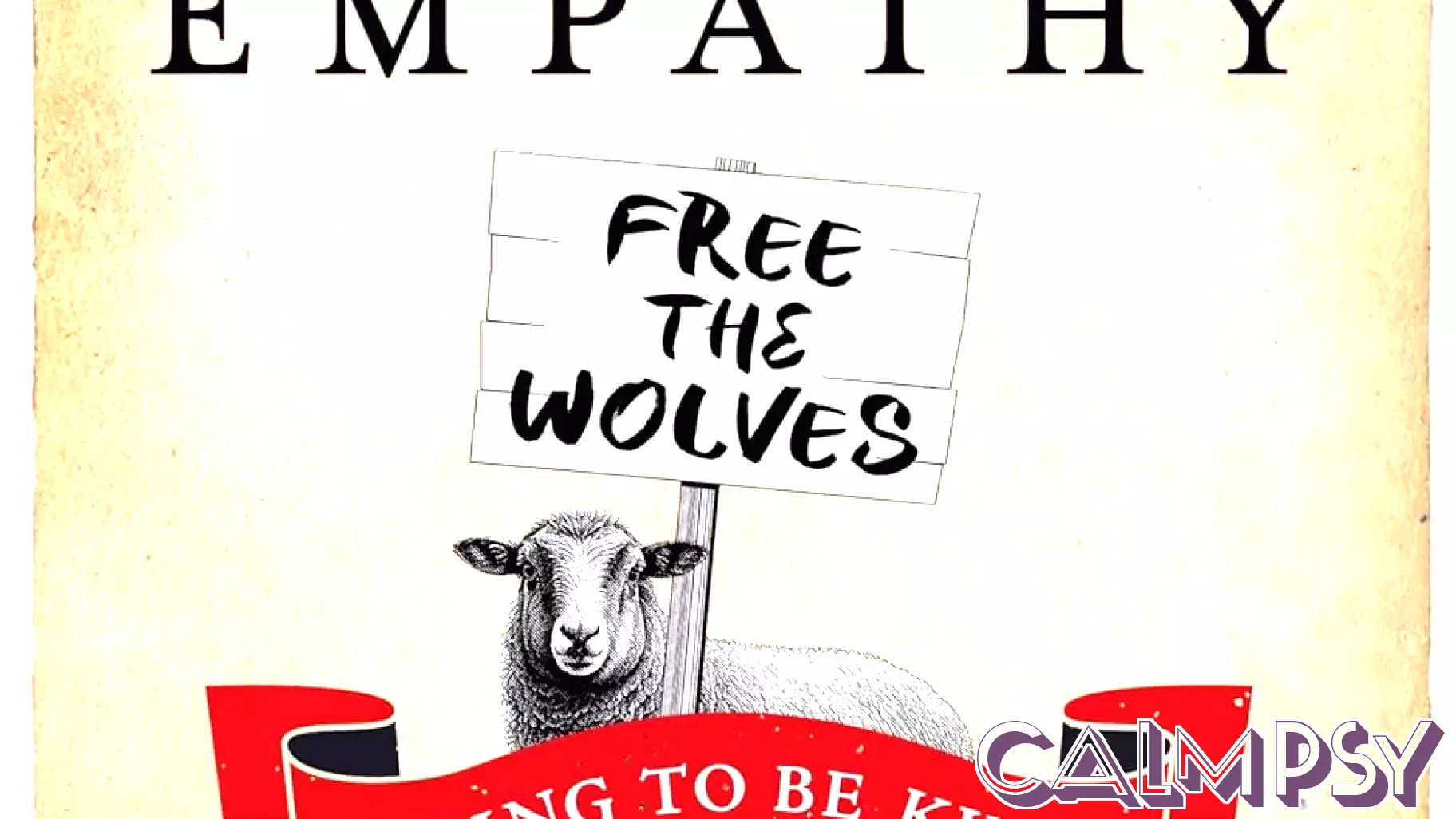
The whole Darwinian paradigm of natural selection falls apart when you're dealing with the human mind. It's a very different thing. For decades, evolutionary psychology has tried to frame our thoughts, emotions, and behaviors as products of ancient survival pressures. The assumption is that our brains are collections of specialized modules, each shaped by the Pleistocene environment to solve problems like finding mates, avoiding predators, or navigating tribal politics. But this framework, while elegant in theory, collapses under the weight of what the human mind actually does.
Consider art, mathematics, or abstract reasoning. Natural selection operates on reproductive fitness. A trait that does not directly help an organism survive and reproduce should, in theory, be selected against or remain neutral. Yet humans write symphonies, solve quantum equations, and contemplate their own mortality. These activities have no clear ancestral analog. They consume enormous energy and offer no obvious survival advantage in a savanna setting. Evolutionary psychologists often fall back on "spandrel" arguments, suggesting these abilities are accidental byproducts of other adaptations. But that explanation feels like a hand-wave, a way to salvage a theory that doesn't fit the data.
The deeper problem is that the mind is not a machine built by genes. It is a dynamic, self-referential system that constantly rewrites its own rules. Culture, language, and symbolic thought create feedback loops that outpace any slow process of genetic selection. A child born today inherits not just DNA but a world of smartphones, legal systems, and abstract concepts like "justice." Natural selection cannot account for how quickly the human mind adapts to these non-biological environments. The subject of evolutionary psychology, then, is not the real human mind. It is a simplified ghost, a theoretical creature that never existed. To understand consciousness, we need a new paradigm, one that respects biology but does not mistake it for destiny.
MORE NEWS

October 19, 2026 - 01:54
Staying Sane and Supporting Others: A Psychologist on Depression and Emotions in WartimePsychologist Oleksandra Hurovych spoke about the emotional toll of wartime, describing how depression and withdrawal can take hold of people living under constant stress. In an interview, she...

October 18, 2026 - 16:03
Psychology says children can act differently around cousins than around classmates; here’s whyA child who talks nonstop, invents games and argues fearlessly with cousins at a family gathering may barely speak during a classroom activity. Another child who is confident among classmates may...
October 17, 2026 - 21:52
Why Luxury Dining Can Still Feel Uncomfortable Even When the Budget Allows ItThe bill is within budget. Rent is covered, savings are intact and there is no immediate financial reason to worry. Yet sitting in an upscale restaurant, surrounded by soft lighting and attentive...

October 17, 2026 - 04:37
Learn, Burn, Return: 4 Ways to Battle Performance Anxiety, According to a Confidence CoachWorried about stumbling before a high-stakes event, like a race or a job interview? Psychologist Cindra Kamphoff offers creative strategies to overcome the jitters and build confidence in the...