Understanding the Psychology Behind New Year's Resolutions
January 3, 2025 - 15:12

Every year, millions of individuals across the United States set New Year's resolutions, with a significant emphasis on health, fitness, and dietary improvements. The start of a new year often brings a sense of hope and motivation, prompting people to reflect on their lives and aspire for change. However, the reality of maintaining these resolutions can be quite challenging. Research indicates that a mere 25% of individuals remain committed to their goals after the first month.
This phenomenon raises questions about the psychological factors at play when people set resolutions. Many resolutions are rooted in societal pressures or unrealistic expectations, which can lead to feelings of failure when progress is not achieved. Additionally, the initial excitement often fades, making it difficult to sustain motivation over time. Understanding these dynamics can help individuals approach their resolutions with more realistic goals and strategies, ultimately increasing their chances of success and personal growth throughout the year.
MORE NEWS

October 4, 2026 - 22:51
Why the Most Tender-Hearted People Go Completely Silent When You Hurt Them, According to PsychologyYou know that moment when someone you care about just disappears? Not physically, but emotionally. One second you were mid conversation, maybe mid argument, and now there is nothing. No yelling, no...
October 4, 2026 - 06:43
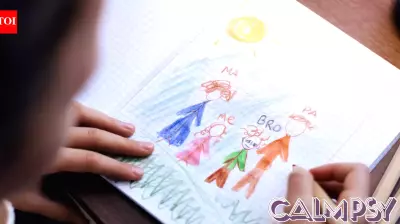
Why Some Children Restart Drawings Until They Look RightA child sits down with a sheet of paper and starts drawing. The first attempt does not look quite the way they imagined it. So they flip the page and begin again. Then again. To a parent watching...

October 3, 2026 - 20:42
Trump's 'stroke' pathways are now 'crossing the brain': psychologistA widely cited psychologist raised concerns on Friday evening about a series of unusual behaviors displayed by President Donald Trump. Dr. John Garrision pointed to what he described as strange and...
October 3, 2026 - 09:31
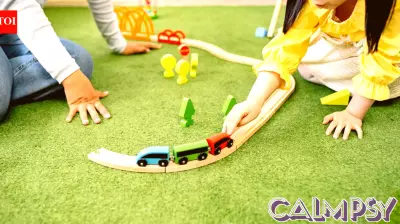
Psychology says children who turn household objects into toys may have stronger imaginations than parents realiseA banana held to the ear. A saucepan worn as a helmet. A cardboard box turned into a rocket ship. Children everywhere transform ordinary household objects into toys, and parents often brush it off...