Understanding the Psychological Development of Racism
September 16, 2025 - 02:02
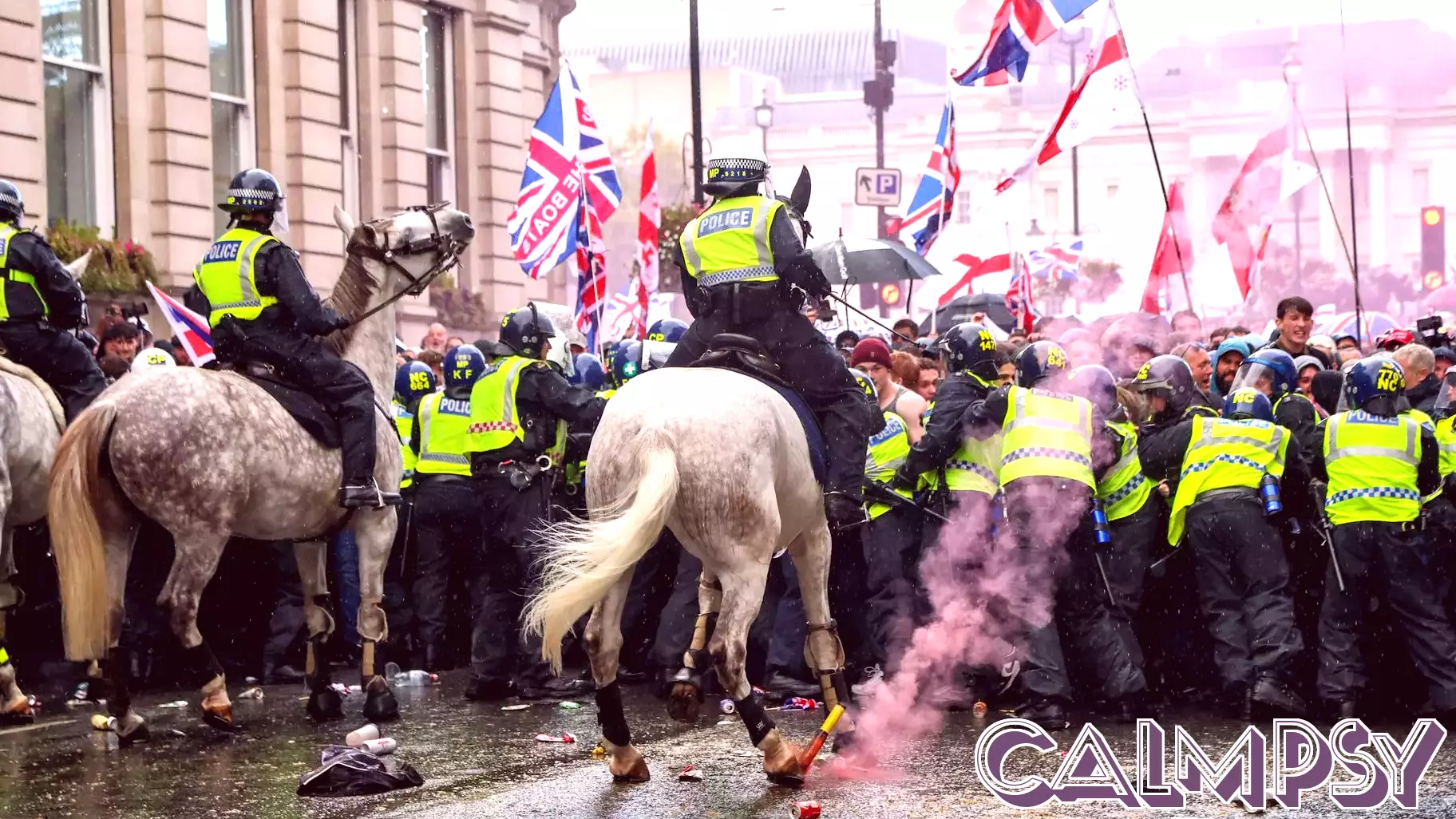
Recent discussions emphasize that there is no genetic or biological basis for dividing the human race into distinct “races.” Instead, racism is often a learned behavior that can develop through various psychological stages.
The first stage is socialization, where individuals absorb the beliefs and values of their surrounding environment, including family and community influences. This is followed by categorization, as people begin to classify others based on perceived differences. This process can lead to the formation of stereotypes, which are oversimplified ideas about certain groups.
Next is the internalization stage, where individuals adopt these stereotypes and biases as part of their identity. This can create an "us versus them" mentality. The fourth stage involves justification, where individuals rationalize their prejudices, often by attributing negative traits to those they perceive as different. Finally, the action stage occurs when these beliefs manifest in discriminatory behavior or attitudes.
Understanding these psychological stages is crucial in combating racism and fostering a more inclusive society. By recognizing that racism is not innate, we can work towards dismantling the systems that perpetuate it.
MORE NEWS

October 4, 2026 - 22:51
Why the Most Tender-Hearted People Go Completely Silent When You Hurt Them, According to PsychologyYou know that moment when someone you care about just disappears? Not physically, but emotionally. One second you were mid conversation, maybe mid argument, and now there is nothing. No yelling, no...
October 4, 2026 - 06:43
Why Some Children Restart Drawings Until They Look RightA child sits down with a sheet of paper and starts drawing. The first attempt does not look quite the way they imagined it. So they flip the page and begin again. Then again. To a parent watching...

October 3, 2026 - 20:42
Trump's 'stroke' pathways are now 'crossing the brain': psychologistA widely cited psychologist raised concerns on Friday evening about a series of unusual behaviors displayed by President Donald Trump. Dr. John Garrision pointed to what he described as strange and...
October 3, 2026 - 09:31
Psychology says children who turn household objects into toys may have stronger imaginations than parents realiseA banana held to the ear. A saucepan worn as a helmet. A cardboard box turned into a rocket ship. Children everywhere transform ordinary household objects into toys, and parents often brush it off...