Understanding the "Fart Zone": The Psychological Impact of Airbus’s Double-Decker Seating
August 9, 2025 - 09:56
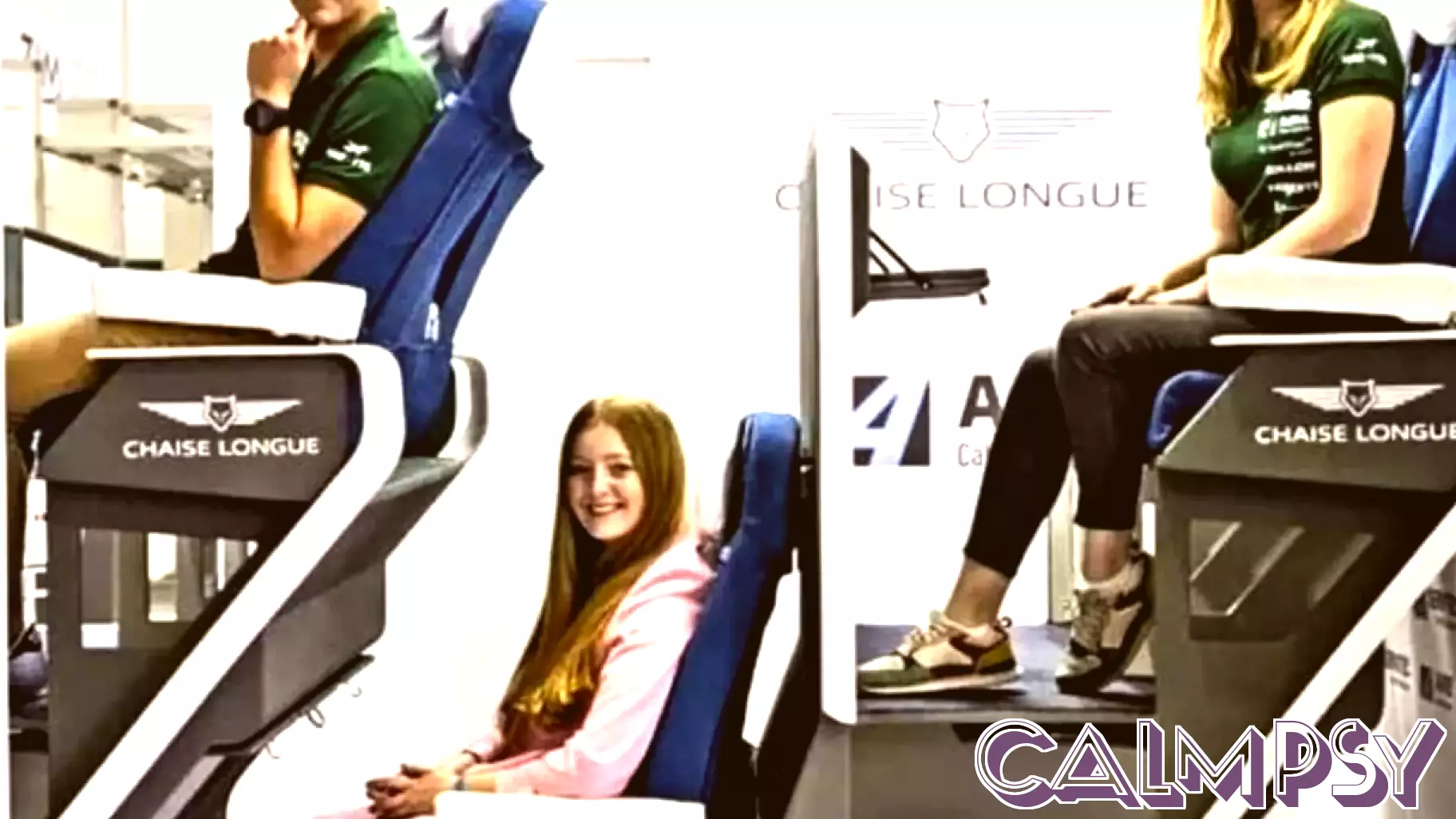
The introduction of double-decker seating in airplanes has sparked a fascinating discussion about human psychology and our perceptions of space. Critics have humorously labeled the lower level of these planes as the "fart zone," a term that reflects deeper fears and vulnerabilities associated with enclosed spaces. This reaction highlights how individuals instinctively respond to their environment, particularly in situations where they feel exposed.
The concept of the "fart zone" is not merely a playful jab; it reveals a significant psychological phenomenon. People often associate lower levels in confined spaces with a lack of control and increased discomfort. This perception can trigger anxiety, as passengers might feel trapped or vulnerable to the actions of those around them. The social media frenzy surrounding this term underscores the power of collective sentiment and shared experiences, showcasing how humor can serve as a coping mechanism for addressing discomfort in public situations.
As airlines continue to innovate in seating arrangements, understanding these psychological responses will be crucial in designing spaces that foster comfort and security for all passengers.
MORE NEWS

October 4, 2026 - 22:51
Why the Most Tender-Hearted People Go Completely Silent When You Hurt Them, According to PsychologyYou know that moment when someone you care about just disappears? Not physically, but emotionally. One second you were mid conversation, maybe mid argument, and now there is nothing. No yelling, no...
October 4, 2026 - 06:43
Why Some Children Restart Drawings Until They Look RightA child sits down with a sheet of paper and starts drawing. The first attempt does not look quite the way they imagined it. So they flip the page and begin again. Then again. To a parent watching...

October 3, 2026 - 20:42
Trump's 'stroke' pathways are now 'crossing the brain': psychologistA widely cited psychologist raised concerns on Friday evening about a series of unusual behaviors displayed by President Donald Trump. Dr. John Garrision pointed to what he described as strange and...
October 3, 2026 - 09:31
Psychology says children who turn household objects into toys may have stronger imaginations than parents realiseA banana held to the ear. A saucepan worn as a helmet. A cardboard box turned into a rocket ship. Children everywhere transform ordinary household objects into toys, and parents often brush it off...