Understanding Empathy: Research Reveals the Brain's Capacity for Care
July 30, 2025 - 00:13
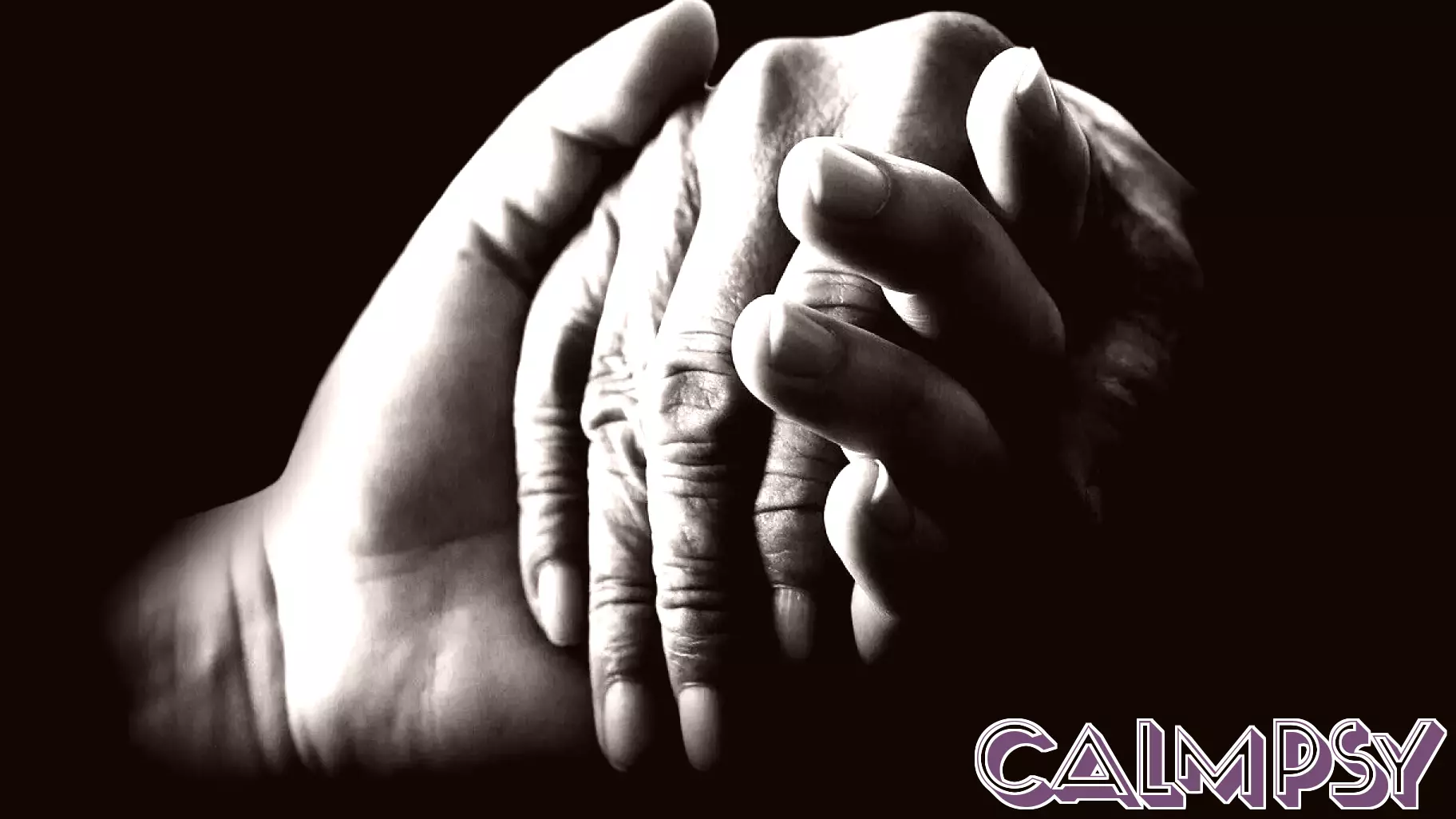
Recent studies have uncovered fascinating insights into how the brain learns to cultivate empathy. When individuals experience joy from another person's happiness, the brain begins to respond as if that person is a favored companion. This phenomenon suggests that empathy is not solely an inherent trait but a skill that can be nurtured and developed over time.
The research highlights the neural pathways activated when we connect with others emotionally. Positive interactions can reinforce these pathways, making it easier for individuals to engage in empathetic behaviors. This process appears to involve the brain's reward system, which releases feel-good chemicals in response to witnessing the happiness of others.
By fostering environments that encourage shared joy and emotional connection, it becomes possible to enhance our capacity for empathy. This finding has significant implications for education, therapy, and interpersonal relationships, emphasizing that empathy can be cultivated, leading to more compassionate communities.
MORE NEWS

October 4, 2026 - 22:51
Why the Most Tender-Hearted People Go Completely Silent When You Hurt Them, According to PsychologyYou know that moment when someone you care about just disappears? Not physically, but emotionally. One second you were mid conversation, maybe mid argument, and now there is nothing. No yelling, no...
October 4, 2026 - 06:43
Why Some Children Restart Drawings Until They Look RightA child sits down with a sheet of paper and starts drawing. The first attempt does not look quite the way they imagined it. So they flip the page and begin again. Then again. To a parent watching...

October 3, 2026 - 20:42
Trump's 'stroke' pathways are now 'crossing the brain': psychologistA widely cited psychologist raised concerns on Friday evening about a series of unusual behaviors displayed by President Donald Trump. Dr. John Garrision pointed to what he described as strange and...
October 3, 2026 - 09:31
Psychology says children who turn household objects into toys may have stronger imaginations than parents realiseA banana held to the ear. A saucepan worn as a helmet. A cardboard box turned into a rocket ship. Children everywhere transform ordinary household objects into toys, and parents often brush it off...