Understanding Chronic Fawning: Signs and Healing Strategies
September 14, 2025 - 02:44

Chronic fawning is a trauma response that often goes unnoticed but can significantly impact an individual's well-being. According to clinical psychologists, there are several signs that may indicate someone is experiencing this behavior. One of the primary indicators is an overwhelming need to please others, often at the expense of one's own needs and desires. Individuals may also struggle with setting boundaries, feeling guilty or anxious when asserting themselves.
Another sign of chronic fawning is the tendency to avoid conflict at all costs, even if it means suppressing personal feelings. People exhibiting this behavior might find themselves feeling emotionally drained or resentful over time due to their constant need for approval. Additionally, they may experience difficulty in forming authentic relationships, as their interactions are often driven by a fear of rejection.
Healing from chronic fawning involves recognizing these patterns and learning to prioritize self-care. Therapeutic practices such as cognitive-behavioral therapy can help individuals rebuild their self-esteem and develop healthier relationship dynamics. Mindfulness and self-compassion exercises are also beneficial in fostering a stronger sense of self, allowing for more authentic connections with others.
MORE NEWS

October 4, 2026 - 22:51
Why the Most Tender-Hearted People Go Completely Silent When You Hurt Them, According to PsychologyYou know that moment when someone you care about just disappears? Not physically, but emotionally. One second you were mid conversation, maybe mid argument, and now there is nothing. No yelling, no...
October 4, 2026 - 06:43
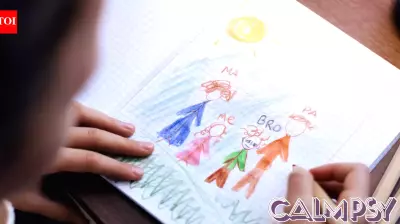
Why Some Children Restart Drawings Until They Look RightA child sits down with a sheet of paper and starts drawing. The first attempt does not look quite the way they imagined it. So they flip the page and begin again. Then again. To a parent watching...

October 3, 2026 - 20:42
Trump's 'stroke' pathways are now 'crossing the brain': psychologistA widely cited psychologist raised concerns on Friday evening about a series of unusual behaviors displayed by President Donald Trump. Dr. John Garrision pointed to what he described as strange and...

October 3, 2026 - 09:31
Psychology says children who turn household objects into toys may have stronger imaginations than parents realiseA banana held to the ear. A saucepan worn as a helmet. A cardboard box turned into a rocket ship. Children everywhere transform ordinary household objects into toys, and parents often brush it off...