The Truth Behind Parental Favoritism: Understanding Your Favorite Child
February 2, 2025 - 04:30
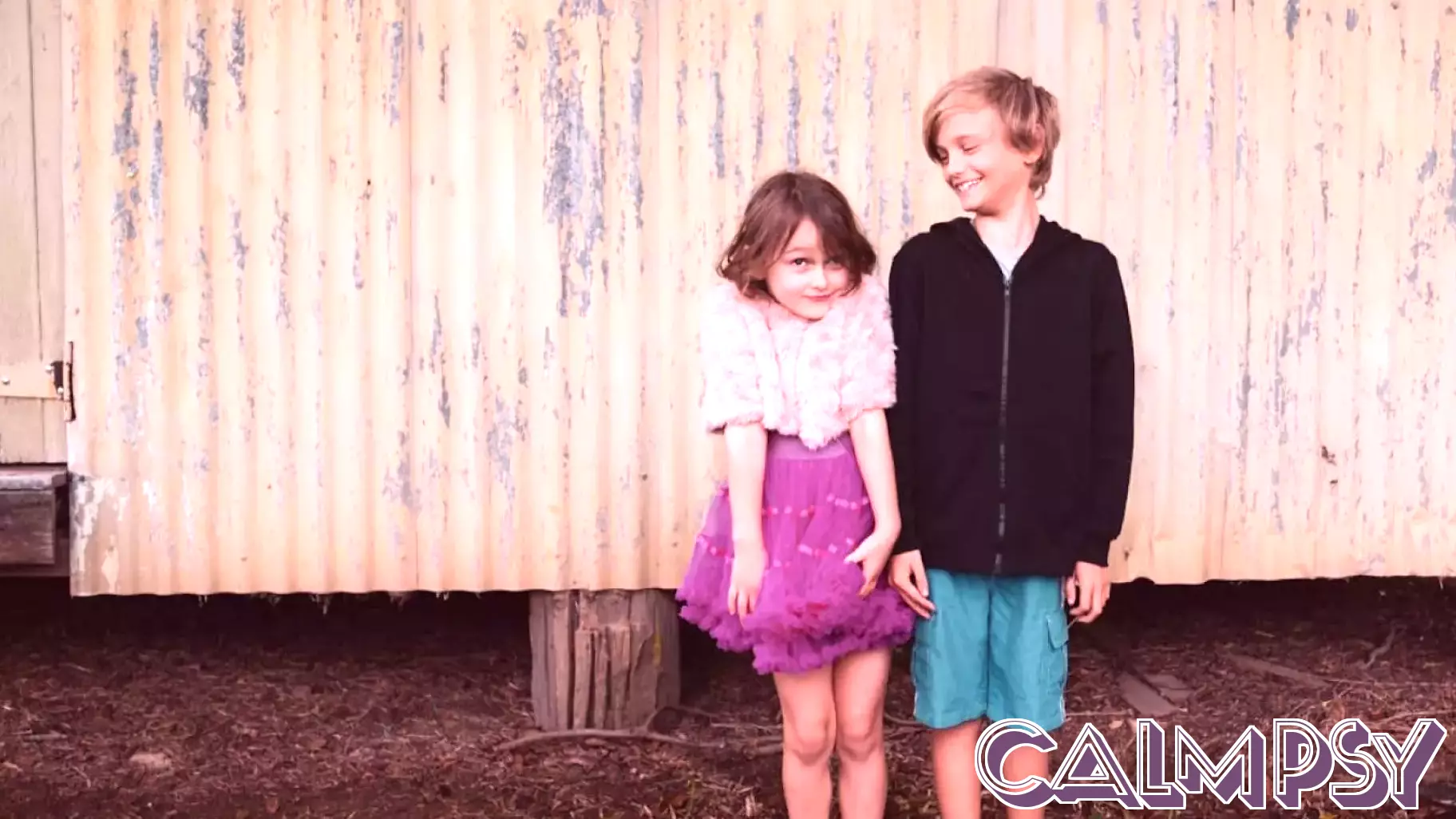
It’s a common belief among siblings that one child is favored over the others, and research supports this notion. Various factors contribute to the perception of favoritism, and understanding these can help parents navigate their relationships with their children more equitably.
One significant reason for favoritism is the inherent personality traits of each child. Parents may naturally connect more with a child who shares similar interests or temperament. Additionally, a child’s behavior can influence parental affection; a well-behaved child might receive more praise and attention.
Another factor is the dynamic of the family unit. Birth order can play a role, as firstborns often shoulder more responsibilities, leading parents to rely on them more heavily. Conversely, younger siblings may be viewed as needing more nurturing, which can skew parental attention.
To counteract any potential negative effects of favoritism, parents can strive for open communication, ensuring that each child feels valued and loved. By actively engaging with each child and recognizing their unique qualities, families can foster a more balanced and harmonious environment.
MORE NEWS

October 4, 2026 - 22:51
Why the Most Tender-Hearted People Go Completely Silent When You Hurt Them, According to PsychologyYou know that moment when someone you care about just disappears? Not physically, but emotionally. One second you were mid conversation, maybe mid argument, and now there is nothing. No yelling, no...
October 4, 2026 - 06:43
Why Some Children Restart Drawings Until They Look RightA child sits down with a sheet of paper and starts drawing. The first attempt does not look quite the way they imagined it. So they flip the page and begin again. Then again. To a parent watching...

October 3, 2026 - 20:42
Trump's 'stroke' pathways are now 'crossing the brain': psychologistA widely cited psychologist raised concerns on Friday evening about a series of unusual behaviors displayed by President Donald Trump. Dr. John Garrision pointed to what he described as strange and...
October 3, 2026 - 09:31
Psychology says children who turn household objects into toys may have stronger imaginations than parents realiseA banana held to the ear. A saucepan worn as a helmet. A cardboard box turned into a rocket ship. Children everywhere transform ordinary household objects into toys, and parents often brush it off...