The Rare Traits of Those Who Still Answer Phone Calls Immediately
August 18, 2025 - 10:05

In an age of scheduled spontaneity and curated availability, the phone-answerers have become emotional archaeologists. While many have adopted a more selective approach to communication, choosing to reply to texts or emails at their convenience, there remains a group of individuals who prioritize immediate phone conversations. This behavior is increasingly rare and reflects a unique set of psychological traits.
Research indicates that those who readily answer phone calls tend to possess strong interpersonal skills, high levels of empathy, and a deep appreciation for real-time communication. They often thrive on connection and value the nuances of voice inflections and immediate feedback that a phone call provides. Furthermore, these individuals may exhibit a lower level of anxiety regarding interruptions, viewing spontaneous conversations as opportunities rather than intrusions.
In a world where digital communication reigns supreme, the willingness to engage in immediate phone calls showcases a commitment to authentic relationships. As technology continues to evolve, the traits of these phone-answerers may become even more valuable, highlighting the importance of genuine human connection in our increasingly disconnected society.
MORE NEWS

November 16, 2026 - 01:13
A Good Deed Does Not Have to Be Selfless to MatterRecent research challenges the common belief that kindness must be entirely selfless to be meaningful. The study highlights that the motivations behind acts of kindness can vary significantly, and...
November 15, 2026 - 11:33
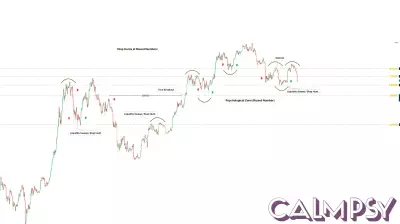
The Fascination with Round Numbers in Crypto TradingHave you ever noticed how prices in the crypto market often stall at round numbers like 50,000, 60,000, or 80,000? While newcomers might dismiss this as mere chance or basic math, seasoned traders...

November 14, 2026 - 22:03
The Lingering Impact of Humiliation on HappinessHumiliation can leave memories that are hard to shake. A new study suggests that people who have felt humiliated tend to be less happy, and that repetitive negative thinking may be part of the...

November 14, 2026 - 16:34
Doubts About Daily Tasks: The Psychology Behind Repeated CheckingDid I turn off the bathroom tap? You remember closing it, but you are not completely sure. This uncertainty can lead to a cycle of checking and rechecking everyday tasks like door locks, taps, and...