The Psychology Behind the Louvre Heist: A Lesson in Human Perception
November 18, 2025 - 18:26

Recent analysis of the infamous Louvre theft has shed light on how the thieves cleverly manipulated human psychology to evade suspicion. Our brains naturally categorize information, allowing us to make quick judgments based on appearances and context. This cognitive shortcut, while useful, can also be exploited by those with malicious intent.
The thieves understood that by blending into their surroundings and adopting behaviors typical of museum visitors, they could avoid drawing attention to themselves. This strategic use of social cues highlights a fundamental aspect of human behavior: people are often predisposed to trust what they perceive as normal or familiar. By presenting themselves as ordinary patrons, the thieves were able to navigate the museum without raising alarms.
The implications of this heist extend beyond the art world, offering insights into the development of artificial intelligence. As AI systems increasingly interact with humans, understanding the nuances of human perception and behavior becomes crucial. This incident serves as a reminder of the complexities of human psychology and the potential for both deception and innovation in the age of technology.
MORE NEWS

October 5, 2026 - 17:14
Psychologists Say People Who Get Along With Everyone Share These 8 Phrases — Are You Using Them Yet?You know that person at the rooftop launch who drifts from the PR girl to the CFO to the DJ and somehow has a real conversation with every single one. She is not necessarily the funniest, or in...

October 5, 2026 - 07:00
Why Your Ghost Still Watches Your StoriesYou posted a photo of your coffee. Within an hour, there it is: the name of the person who stopped replying to your texts three weeks ago, sitting quietly in your story viewers list. No message...

October 4, 2026 - 22:51
Why the Most Tender-Hearted People Go Completely Silent When You Hurt Them, According to PsychologyYou know that moment when someone you care about just disappears? Not physically, but emotionally. One second you were mid conversation, maybe mid argument, and now there is nothing. No yelling, no...
October 4, 2026 - 06:43
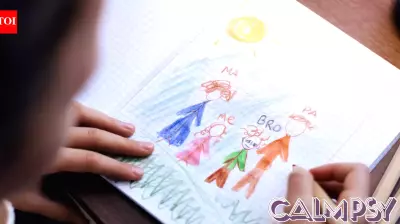
Why Some Children Restart Drawings Until They Look RightA child sits down with a sheet of paper and starts drawing. The first attempt does not look quite the way they imagined it. So they flip the page and begin again. Then again. To a parent watching...