The Psychology Behind Popular Climate Policies
August 15, 2025 - 00:20
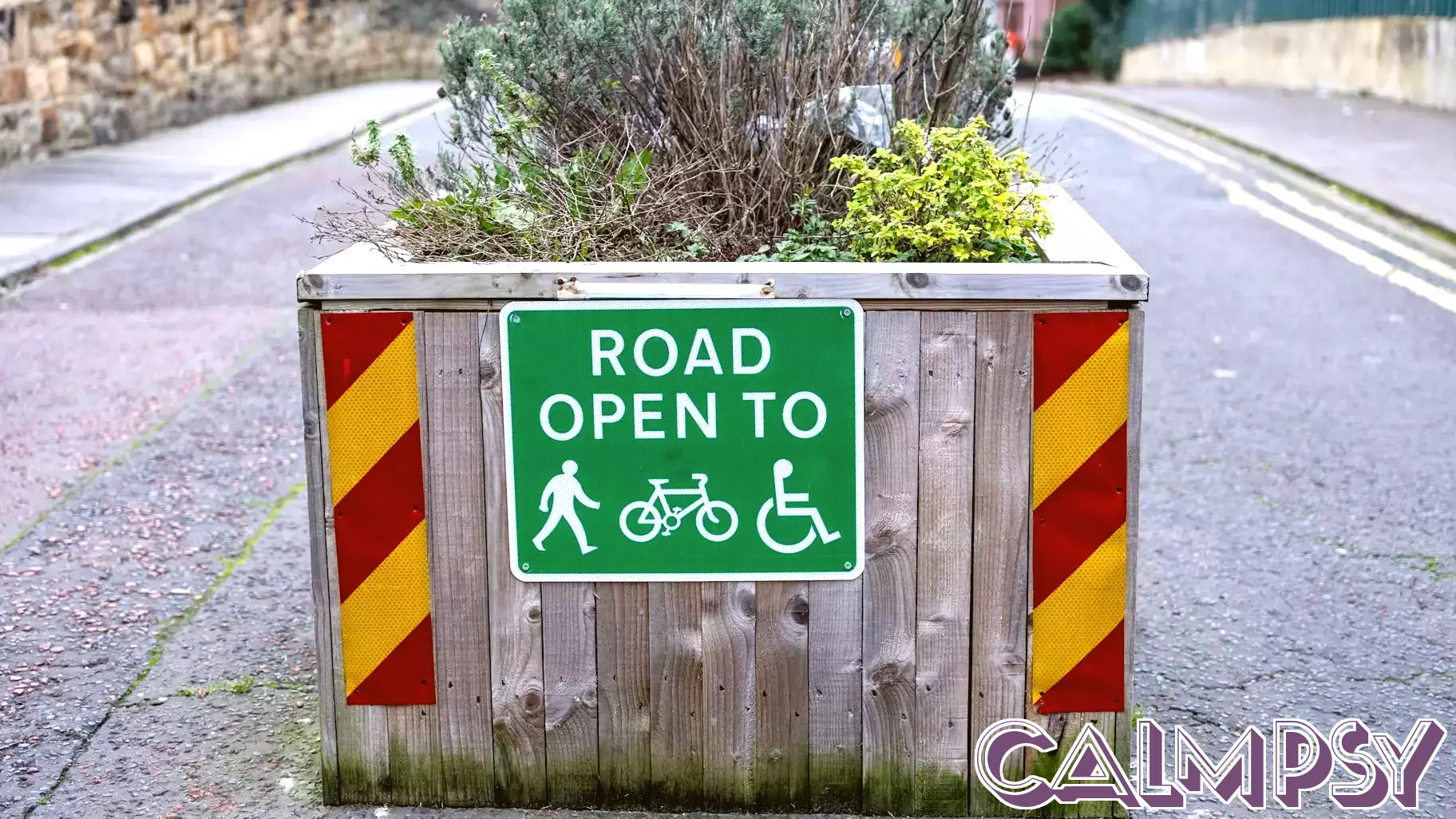
Climate action requires not only effective policies but also an understanding of the psychological factors that influence public support. Recent studies have shown that certain climate policies resonate more with the public than others, often due to their perceived fairness, effectiveness, and alignment with personal values.
Policies that are framed as collective efforts, such as community renewable energy projects, tend to garner more support. People are more likely to engage with initiatives that emphasize shared responsibility and local benefits. Conversely, policies that are viewed as imposing burdens or costs without clear advantages may face significant resistance.
Moreover, the way climate issues are communicated plays a crucial role in shaping public opinion. Positive messaging that highlights success stories and achievable goals can inspire action and foster a sense of hope. In contrast, fear-based tactics often lead to disengagement.
Ultimately, for climate policies to gain traction, they must not only be scientifically sound but also resonate emotionally with the public, tapping into their values and aspirations for a sustainable future.
MORE NEWS

October 4, 2026 - 22:51
Why the Most Tender-Hearted People Go Completely Silent When You Hurt Them, According to PsychologyYou know that moment when someone you care about just disappears? Not physically, but emotionally. One second you were mid conversation, maybe mid argument, and now there is nothing. No yelling, no...
October 4, 2026 - 06:43
Why Some Children Restart Drawings Until They Look RightA child sits down with a sheet of paper and starts drawing. The first attempt does not look quite the way they imagined it. So they flip the page and begin again. Then again. To a parent watching...
October 3, 2026 - 20:42
Trump's 'stroke' pathways are now 'crossing the brain': psychologistA widely cited psychologist raised concerns on Friday evening about a series of unusual behaviors displayed by President Donald Trump. Dr. John Garrision pointed to what he described as strange and...
October 3, 2026 - 09:31
Psychology says children who turn household objects into toys may have stronger imaginations than parents realiseA banana held to the ear. A saucepan worn as a helmet. A cardboard box turned into a rocket ship. Children everywhere transform ordinary household objects into toys, and parents often brush it off...