The Psychological Influence on Sunderland Fans’ Perspectives in Football
December 28, 2024 - 15:02

Explore how psychology influences Sunderland fans’ opinions on matches, players, and decisions, and why our experiences, biases, and emotions shape the way we perceive the beautiful game. The connection between fans and their football club is profound, often rooted in deep-seated psychological factors.
Sunderland supporters, like many football fans, develop a unique identity tied to their club, which influences their perceptions of players and match outcomes. Cognitive biases, such as confirmation bias, can lead fans to focus on information that supports their existing beliefs about a player’s performance or the team's strategy, while dismissing contrary evidence.
Emotional investment in the club often intensifies these biases, as victories bring joy and losses can lead to frustration or disappointment. Additionally, the social aspect of fandom plays a crucial role; shared experiences during matches create a collective memory that shapes group identity and loyalty.
Understanding these psychological dynamics can offer valuable insights into the passionate world of Sunderland supporters and their unwavering dedication to their team.
MORE NEWS

October 4, 2026 - 22:51
Why the Most Tender-Hearted People Go Completely Silent When You Hurt Them, According to PsychologyYou know that moment when someone you care about just disappears? Not physically, but emotionally. One second you were mid conversation, maybe mid argument, and now there is nothing. No yelling, no...
October 4, 2026 - 06:43
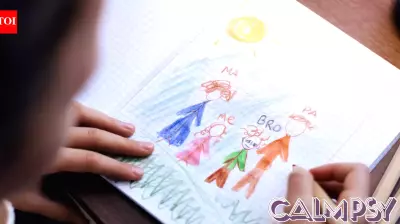
Why Some Children Restart Drawings Until They Look RightA child sits down with a sheet of paper and starts drawing. The first attempt does not look quite the way they imagined it. So they flip the page and begin again. Then again. To a parent watching...

October 3, 2026 - 20:42
Trump's 'stroke' pathways are now 'crossing the brain': psychologistA widely cited psychologist raised concerns on Friday evening about a series of unusual behaviors displayed by President Donald Trump. Dr. John Garrision pointed to what he described as strange and...
October 3, 2026 - 09:31
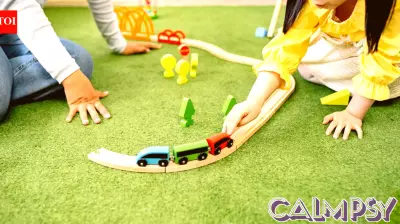
Psychology says children who turn household objects into toys may have stronger imaginations than parents realiseA banana held to the ear. A saucepan worn as a helmet. A cardboard box turned into a rocket ship. Children everywhere transform ordinary household objects into toys, and parents often brush it off...