The Impact of Shame on Forgiveness in Trauma Recovery
January 26, 2025 - 04:11

Forgiveness is often seen as a crucial step in the healing process for trauma survivors, but it is deeply intertwined with the individual’s sense of self-worth. For many survivors, feelings of shame can act as a significant barrier, preventing them from extending forgiveness to their offenders. This internal struggle can create a cycle of pain, as the inability to forgive may lead to further emotional distress and hinder the recovery process.
Shame often stems from the trauma itself, leaving survivors feeling unworthy and isolated. These feelings can distort their perception of themselves and their relationships with others, making it difficult to move past the hurt. While some individuals may genuinely desire to forgive, the weight of shame can overshadow their intentions, leaving them feeling trapped in their trauma.
Understanding the connection between shame and forgiveness is essential for trauma recovery. By addressing feelings of shame and fostering self-compassion, survivors may find a path toward forgiveness that allows for healing and emotional freedom.
MORE NEWS

October 4, 2026 - 22:51
Why the Most Tender-Hearted People Go Completely Silent When You Hurt Them, According to PsychologyYou know that moment when someone you care about just disappears? Not physically, but emotionally. One second you were mid conversation, maybe mid argument, and now there is nothing. No yelling, no...
October 4, 2026 - 06:43
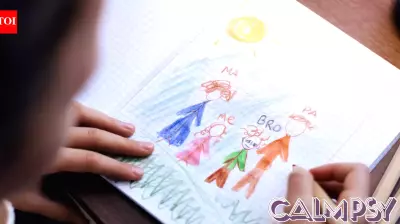
Why Some Children Restart Drawings Until They Look RightA child sits down with a sheet of paper and starts drawing. The first attempt does not look quite the way they imagined it. So they flip the page and begin again. Then again. To a parent watching...

October 3, 2026 - 20:42
Trump's 'stroke' pathways are now 'crossing the brain': psychologistA widely cited psychologist raised concerns on Friday evening about a series of unusual behaviors displayed by President Donald Trump. Dr. John Garrision pointed to what he described as strange and...
October 3, 2026 - 09:31
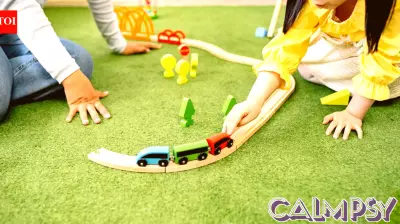
Psychology says children who turn household objects into toys may have stronger imaginations than parents realiseA banana held to the ear. A saucepan worn as a helmet. A cardboard box turned into a rocket ship. Children everywhere transform ordinary household objects into toys, and parents often brush it off...