Ohio State Professor Introduces Exercise Breaks to Enhance Student Focus
January 29, 2025 - 23:27
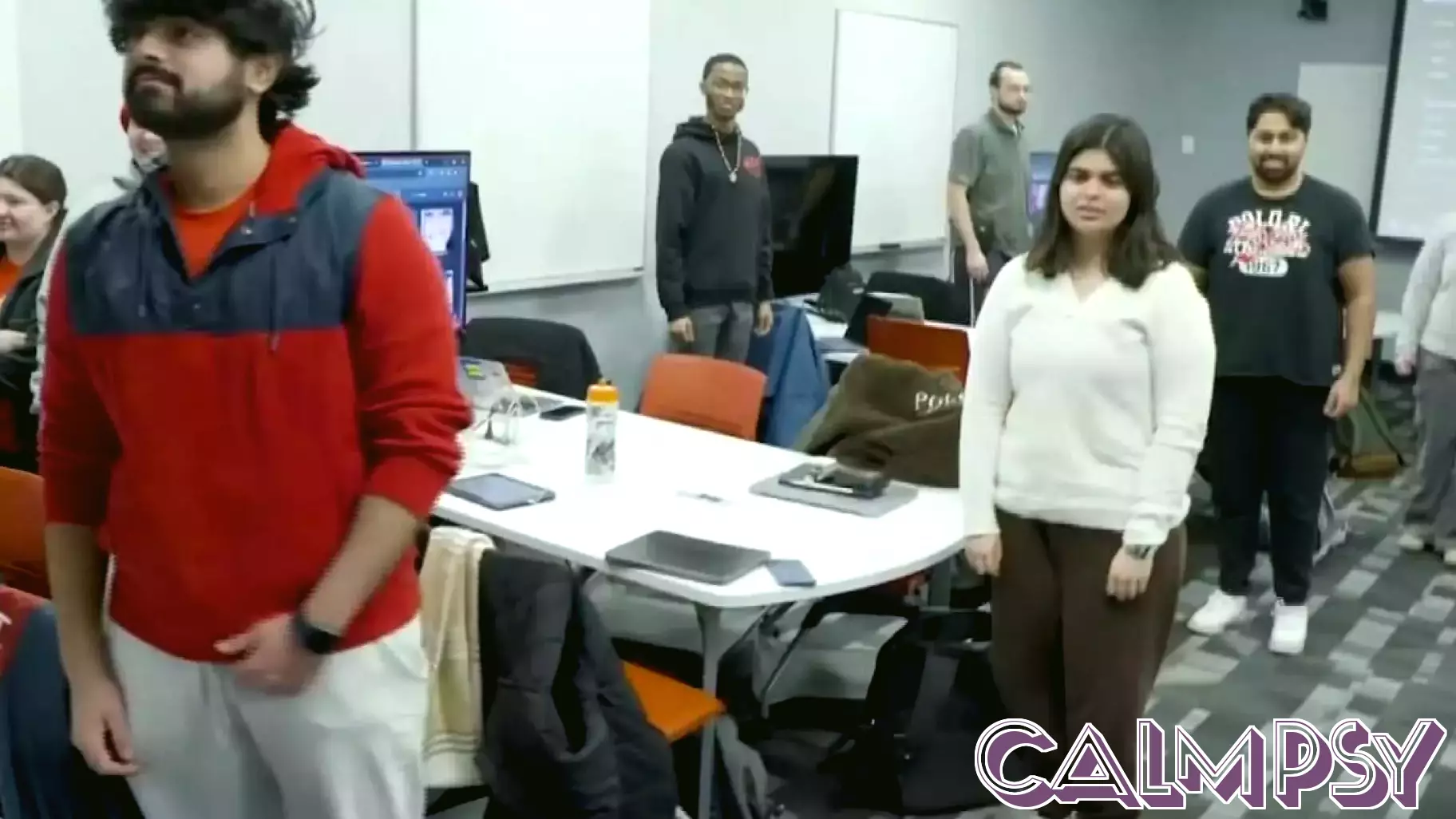
A psychology professor at Ohio State University has implemented exercise breaks during class sessions, aiming to boost students' attention spans and overall engagement. The innovative approach allows students to step away from their desks and participate in physical activities, which the professor believes can significantly enhance cognitive function and learning outcomes.
According to the professor, these short bursts of exercise not only invigorate students but also help them retain information more effectively. Research has shown that physical activity can improve concentration and reduce mental fatigue, making it a valuable tool in an academic setting.
Students have reported feeling more alert and focused after participating in the exercise breaks. This method encourages a healthier lifestyle and fosters a sense of community among classmates as they engage in physical activity together. As more educators explore similar strategies, the potential benefits of incorporating exercise into academic routines are becoming increasingly recognized.
MORE NEWS

October 4, 2026 - 22:51
Why the Most Tender-Hearted People Go Completely Silent When You Hurt Them, According to PsychologyYou know that moment when someone you care about just disappears? Not physically, but emotionally. One second you were mid conversation, maybe mid argument, and now there is nothing. No yelling, no...
October 4, 2026 - 06:43
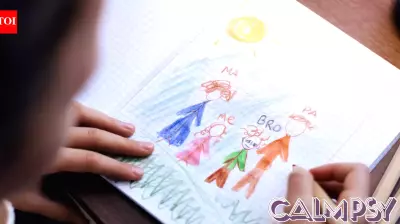
Why Some Children Restart Drawings Until They Look RightA child sits down with a sheet of paper and starts drawing. The first attempt does not look quite the way they imagined it. So they flip the page and begin again. Then again. To a parent watching...

October 3, 2026 - 20:42
Trump's 'stroke' pathways are now 'crossing the brain': psychologistA widely cited psychologist raised concerns on Friday evening about a series of unusual behaviors displayed by President Donald Trump. Dr. John Garrision pointed to what he described as strange and...
October 3, 2026 - 09:31
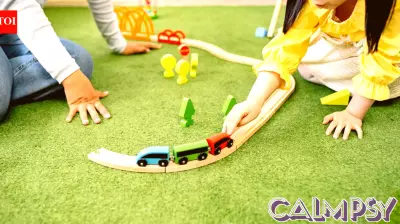
Psychology says children who turn household objects into toys may have stronger imaginations than parents realiseA banana held to the ear. A saucepan worn as a helmet. A cardboard box turned into a rocket ship. Children everywhere transform ordinary household objects into toys, and parents often brush it off...