Exploring the Link Between Childhood Trauma and Authoritarian Leadership
June 8, 2025 - 20:37

Recent research reveals that the roots of a power-hungry leadership style may lie in early childhood experiences of trauma. This intriguing study suggests that figures such as Adolf Hitler, Vladimir Putin, and Donald Trump may share a common thread in their backgrounds that influenced their authoritarian tendencies.
Researchers have delved into the psychological profiles of these leaders, highlighting how adverse childhood experiences can shape personality traits associated with power and control. The findings indicate that individuals who faced significant trauma during their formative years may develop a heightened need for dominance and a propensity for aggressive leadership styles.
This connection raises important questions about the impact of early life experiences on political behavior and decision-making. Understanding these psychological underpinnings could provide valuable insights into current global leadership dynamics. As the world grapples with the implications of such leadership, acknowledging the role of childhood trauma may be crucial in addressing and mitigating authoritarian practices in contemporary politics.
MORE NEWS

October 4, 2026 - 22:51
Why the Most Tender-Hearted People Go Completely Silent When You Hurt Them, According to PsychologyYou know that moment when someone you care about just disappears? Not physically, but emotionally. One second you were mid conversation, maybe mid argument, and now there is nothing. No yelling, no...
October 4, 2026 - 06:43
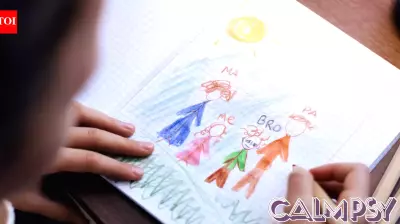
Why Some Children Restart Drawings Until They Look RightA child sits down with a sheet of paper and starts drawing. The first attempt does not look quite the way they imagined it. So they flip the page and begin again. Then again. To a parent watching...

October 3, 2026 - 20:42
Trump's 'stroke' pathways are now 'crossing the brain': psychologistA widely cited psychologist raised concerns on Friday evening about a series of unusual behaviors displayed by President Donald Trump. Dr. John Garrision pointed to what he described as strange and...
October 3, 2026 - 09:31
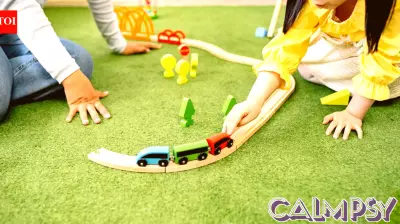
Psychology says children who turn household objects into toys may have stronger imaginations than parents realiseA banana held to the ear. A saucepan worn as a helmet. A cardboard box turned into a rocket ship. Children everywhere transform ordinary household objects into toys, and parents often brush it off...