Christ’s Passion in Matthew and the psychology of death
March 26, 2026 - 05:16
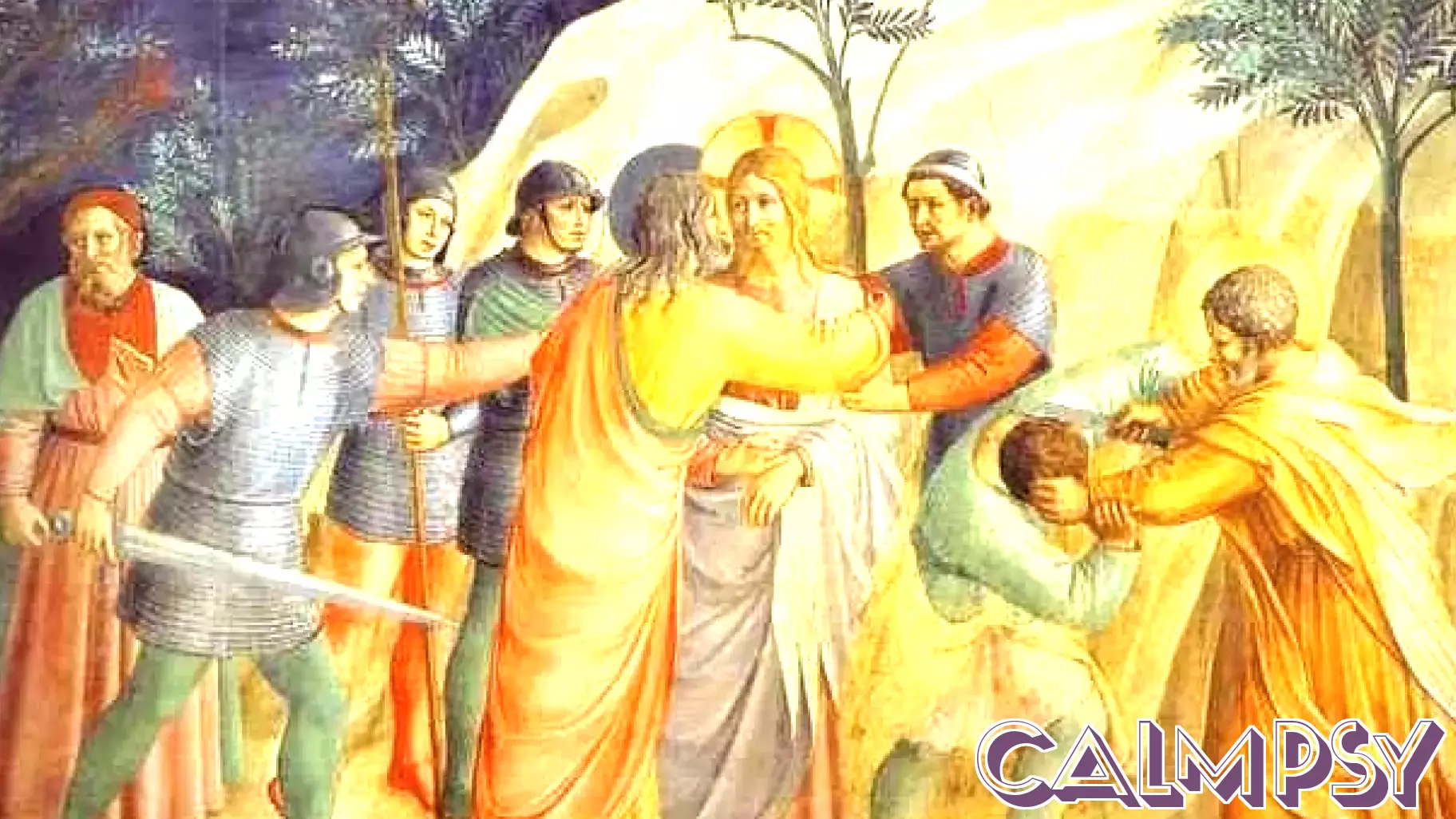
The annual reading of the Passion narrative from the Gospel of Matthew on Palm Sunday invites a profound psychological reflection on the nature of death. The account moves beyond a simple historical report, delving into the interior experience of mortality as faced by Jesus and those around him.
Central to this psychological exploration is the stark contrast between the fear-driven responses of the disciples and the serene acceptance demonstrated by Christ. The disciples embody a very human terror of annihilation—fleeing, denying, and hiding. Their actions speak to the instinctive psychology of self-preservation when confronted with the ultimate threat.
In contrast, Jesus’s journey to Calvary presents a different paradigm. His prayers in Gethsemane reveal a moment of profound anguish, yet they culminate in a freely chosen surrender to the Father’s will. This acceptance transforms the psychology of death from one of passive victimhood to an active offering. His final words, “Father, into your hands I commend my spirit,” signify not a defeat, but a conscious act of trust and return.
Matthew’s Passion thus presents death not merely as a biological end, but as a pivotal human action with deep spiritual and psychological dimensions. It challenges believers to examine their own internal posture toward mortality, suggesting that the path to life may be found precisely through a faithful and trusting surrender, rather than in a desperate struggle for mere survival. The narrative posits that how one faces death ultimately defines the quality of one’s life and the nature of one’s hope.
MORE NEWS

September 22, 2026 - 01:11
AI, Consumer Psychology and the End of the 7-Year Boat DesignThe marine industry is facing a shift in how customers judge the pace of change. For decades, boat design followed a slow rhythm. A hull shape or interior layout could stay competitive for seven...

September 21, 2026 - 00:20
8 Signs Your Child Is Growing Into a Resilient, Emotionally Mature PersonA psychologist has outlined eight signs that suggest a child is developing resilience and emotional maturity. According to Lindsay C. Gibson, these traits shape how children grow into adults. `They...

September 20, 2026 - 19:41
Why Silent Hill 2 Remains the Peak of Psychological HorrorSilent Hill 2 turned guilt into a whole town. Here is why Team Silent`s 2001 classic is still the greatest psychological horror game ever made, remake included. Most horror games try to scare you...

September 20, 2026 - 04:34
A Simple Morning and Evening Habit That Can Lead to Happier DaysA psychologist has highlighted a straightforward daily routine that may help people experience more satisfying and joyful days. The habit centers on two brief moments of reflection, one in the...