Does 432Hz tuning improve your wellbeing? A music psychologist unpacks the evidence
May 8, 2026 - 12:26
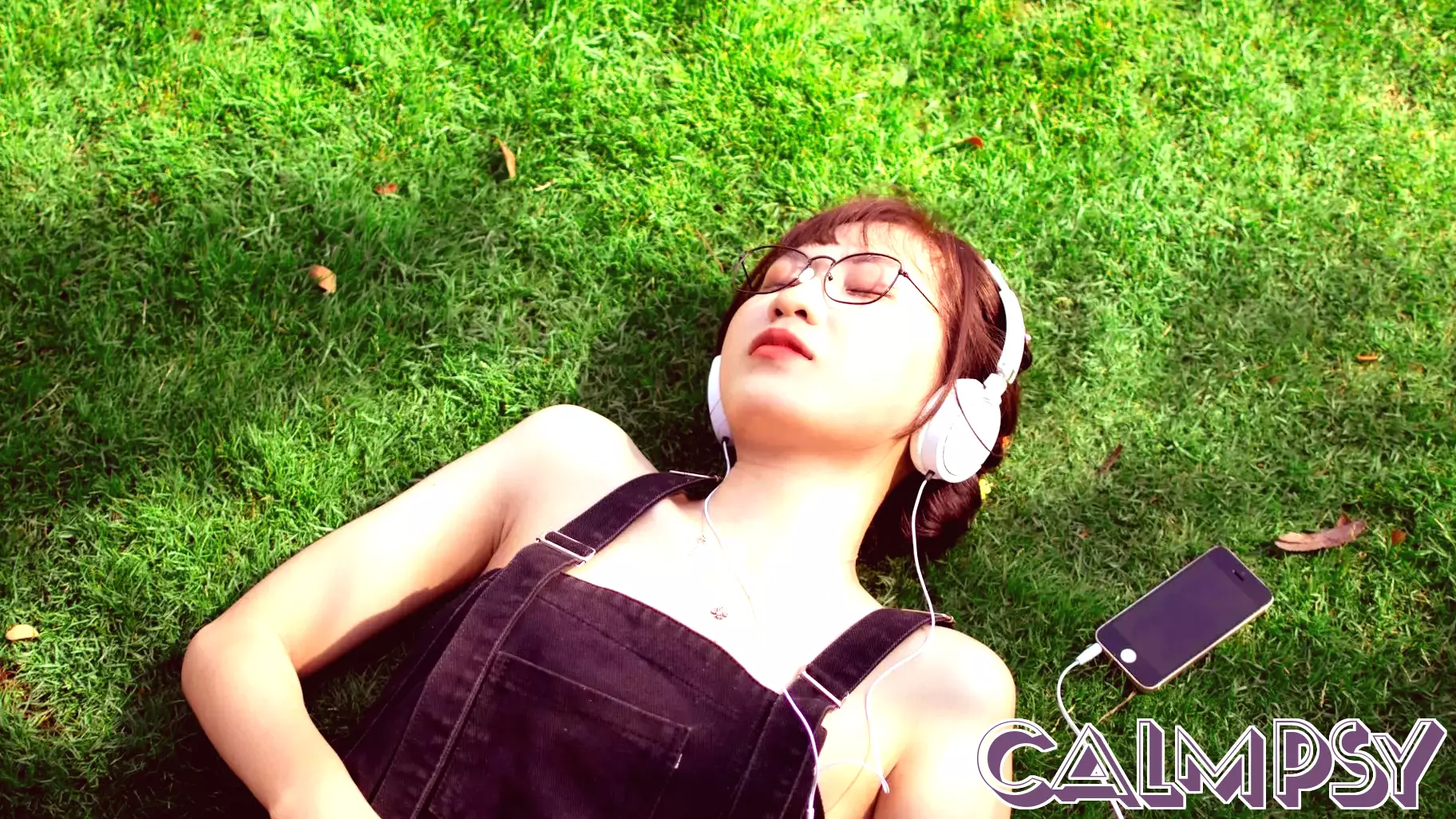
The idea that tuning music to 432Hz instead of the standard 440Hz can heal your mind and body has been floating around for decades. Fans of the lower pitch claim it resonates with nature, reduces anxiety, and even aligns you with the universe. But does the science back it up?
A music psychologist recently dug into the evidence, and the answer is less mystical than you might hope. Studies show that people often report feeling more relaxed when listening to 432Hz music compared to 440Hz. However, this effect seems to come from expectation and personal preference rather than any special property of the frequency itself. When listeners are unaware of which tuning they are hearing, the difference in emotional response mostly disappears.
The myth often traces back to claims about ancient instruments or the "solfeggio frequencies," but historians have found no solid proof that 432Hz was used for healing in the past. Our brains are good at finding patterns, so a slight pitch shift can feel meaningful if we believe it is. But controlled experiments suggest that any calmness you feel comes from the music itself, not the number of vibrations per second.
So, if 432Hz sounds nicer to you, go ahead and listen. Just know that it is a personal taste, not a proven wellness tool. The real power of music for wellbeing lies in the melody, rhythm, and emotion, not a specific tuning.
MORE NEWS
September 20, 2026 - 04:34
A Simple Morning and Evening Habit That Can Lead to Happier DaysA psychologist has highlighted a straightforward daily routine that may help people experience more satisfying and joyful days. The habit centers on two brief moments of reflection, one in the...

September 19, 2026 - 15:46
Psychology explains why people turn down the music when looking for an address and how the brain respondsDrivers often reach for the volume knob when they are searching for an unfamiliar address, turning the music down even though the sound has nothing to do with reading street signs. Psychology...

September 18, 2026 - 22:57
Psychology says parents who continue their own parents’ traditions with their children may be passing downFamily rituals can give everyday life a reassuring sense of continuity. A birthday might always begin with the same special breakfast, Friday evenings may revolve around a favorite meal, and every...

September 18, 2026 - 04:47
Why You Shed Years the Moment You Walk Into Your Parents' HouseYou drive hours to visit family, step through the front door, and within minutes something shifts. Your posture changes. Your voice takes on an old cadence. You argue about chores, roll your eyes...