Why Intelligent People Hate Noise
May 9, 2026 - 17:11
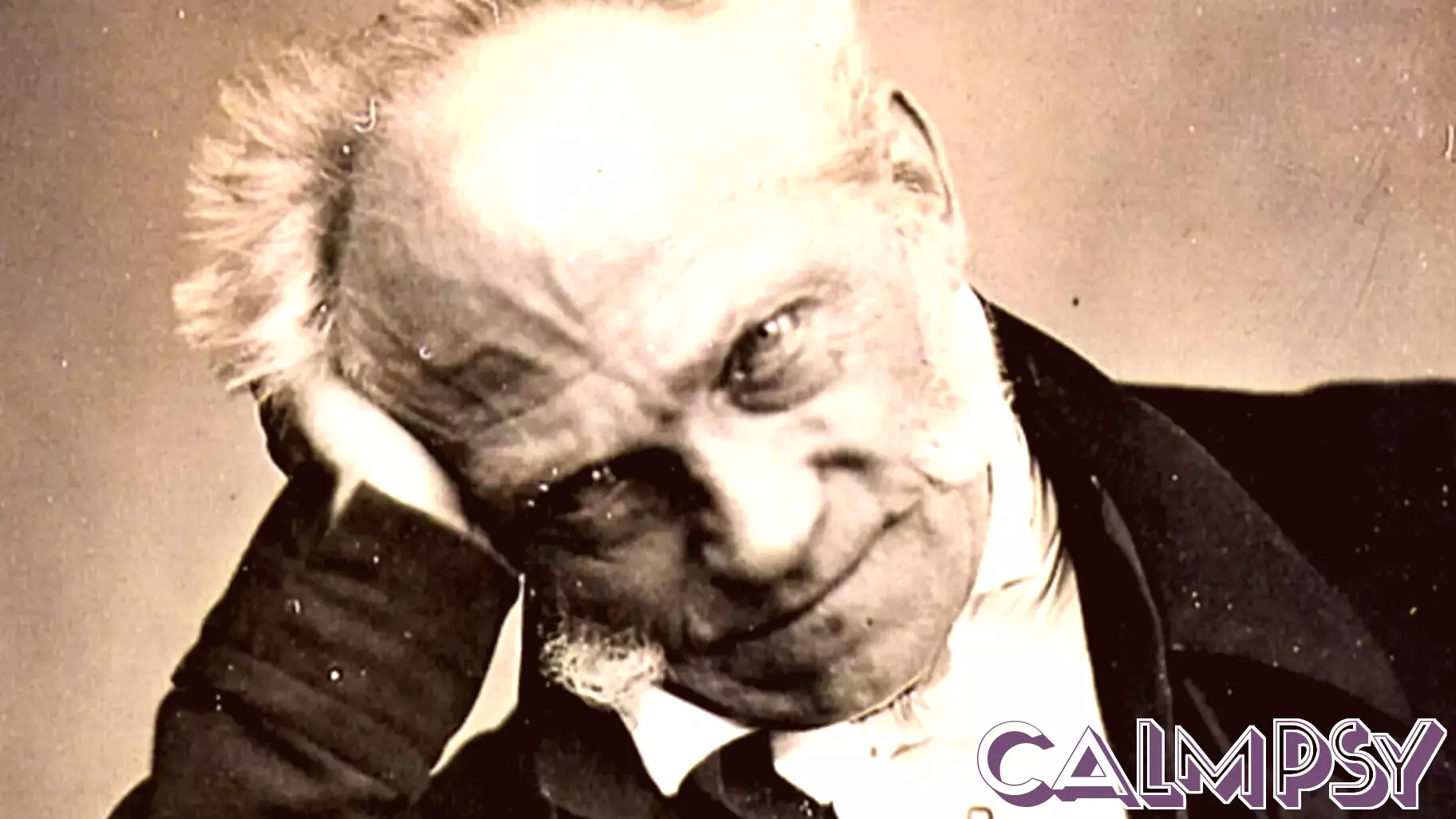
The German philosopher Arthur Schopenhauer had little patience for noise. In fact, he argued that a person's ability to tolerate constant racket was a direct measure of their intellectual dullness. In his 1851 essay "On Noise," Schopenhauer claimed that noise is a torment to any thinking mind because it shatters concentration at its root. He believed that great thinkers require quiet not as a luxury but as a basic condition for their work.
Schopenhauer reserved special contempt for the crack of whips. In his day, carriage drivers in European cities would snap their whips loudly, a sound he described as "the most unwarrantable and disgraceful of all noises." He argued that this sharp, sudden crack could instantly destroy a train of thought that took hours to build. For Schopenhauer, the mind of a genius operates like a delicate lens. It needs stillness to focus. A single loud noise, he wrote, can "cut through the brain like a knife."
Modern research supports his view. Studies show that unpredictable noise raises cortisol levels, impairs memory, and reduces creative problem-solving. But Schopenhauer went further. He saw noise as a moral issue. He believed that people who make unnecessary noise show a lack of respect for others' inner lives. To him, the noisy person is essentially saying that their trivial action matters more than your deep thought.
The philosopher's solution was blunt. He wished for laws that would punish unnecessary noise as a public nuisance. He even suggested that the sound of a whip crack should be treated like a criminal act. While no such laws came to pass, his core insight remains: intelligent people hate noise not because they are sensitive, but because they know what it costs them. In a world of sirens, engines, and buzzing phones, Schopenhauer's complaint sounds more relevant than ever.
MORE NEWS

September 22, 2026 - 01:11
AI, Consumer Psychology and the End of the 7-Year Boat DesignThe marine industry is facing a shift in how customers judge the pace of change. For decades, boat design followed a slow rhythm. A hull shape or interior layout could stay competitive for seven...

September 21, 2026 - 00:20
8 Signs Your Child Is Growing Into a Resilient, Emotionally Mature PersonA psychologist has outlined eight signs that suggest a child is developing resilience and emotional maturity. According to Lindsay C. Gibson, these traits shape how children grow into adults. `They...

September 20, 2026 - 19:41
Why Silent Hill 2 Remains the Peak of Psychological HorrorSilent Hill 2 turned guilt into a whole town. Here is why Team Silent`s 2001 classic is still the greatest psychological horror game ever made, remake included. Most horror games try to scare you...

September 20, 2026 - 04:34
A Simple Morning and Evening Habit That Can Lead to Happier DaysA psychologist has highlighted a straightforward daily routine that may help people experience more satisfying and joyful days. The habit centers on two brief moments of reflection, one in the...