Can AI Transform Generic Patient Information into Personalized Wisdom That Actually Sticks?
January 25, 2025 - 10:08
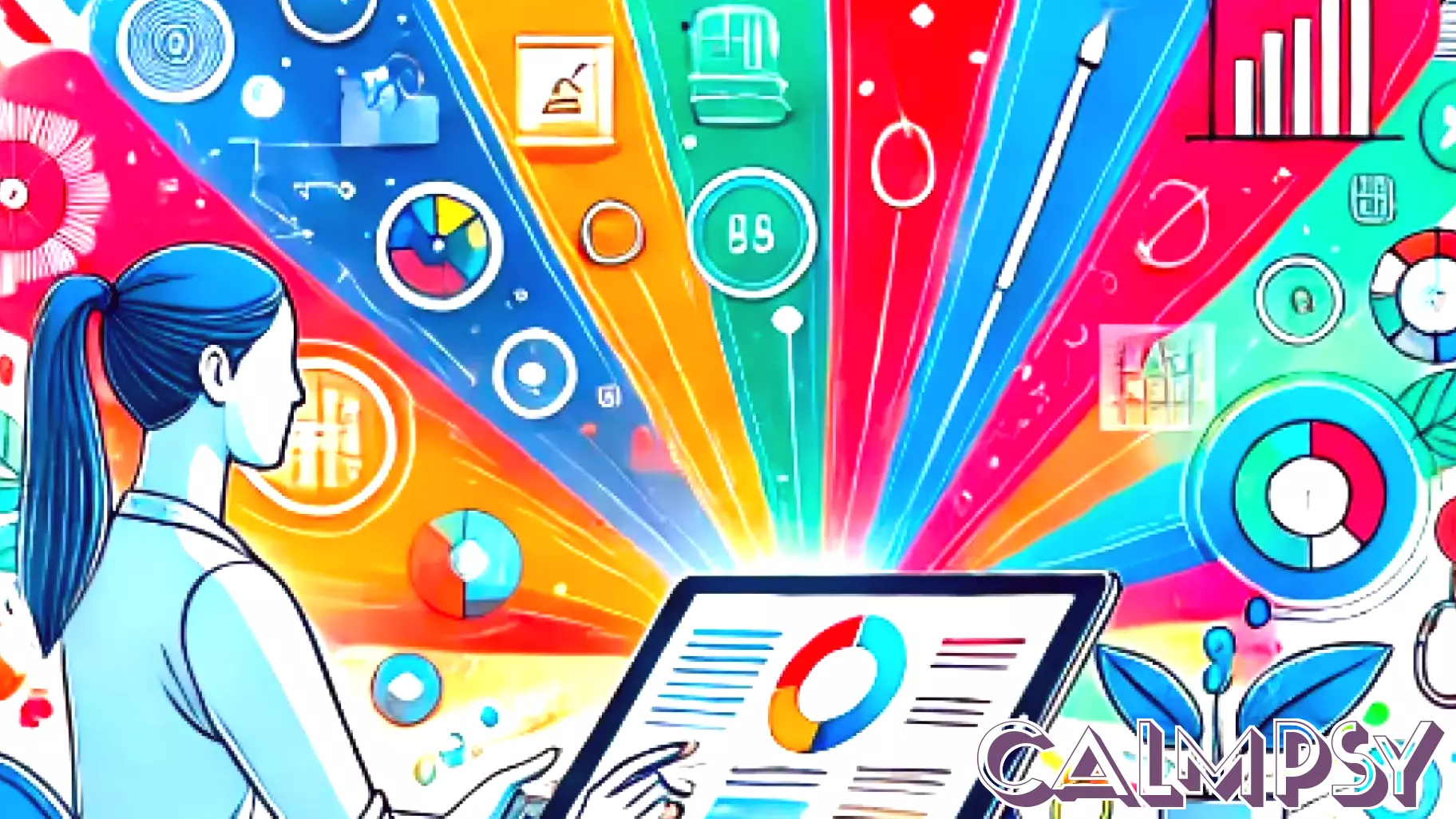
The integration of artificial intelligence (AI) into patient education is rapidly gaining traction, raising the question of whether it can effectively personalize health information for individuals. Traditional patient education often relies on generic materials that may not resonate with everyone, leading to gaps in understanding and adherence to medical advice. However, advancements in AI, particularly in the realm of large language models (LLMs), offer a promising solution.
These sophisticated AI systems have the potential to analyze a patient's unique medical history, preferences, and learning styles, enabling them to generate tailored educational content. This personalized approach could significantly enhance patient comprehension and engagement, fostering better health outcomes. Imagine a scenario where a patient receives customized explanations about their condition, treatment options, and self-care strategies, all crafted to match their level of understanding and specific concerns.
As healthcare continues to evolve, the imperative to utilize AI in patient education becomes increasingly clear. By transforming generic information into meaningful, personalized wisdom, LLMs could bridge the gap between medical knowledge and patient empowerment, ultimately leading to a more informed and proactive patient community.
MORE NEWS

October 4, 2026 - 22:51
Why the Most Tender-Hearted People Go Completely Silent When You Hurt Them, According to PsychologyYou know that moment when someone you care about just disappears? Not physically, but emotionally. One second you were mid conversation, maybe mid argument, and now there is nothing. No yelling, no...
October 4, 2026 - 06:43
Why Some Children Restart Drawings Until They Look RightA child sits down with a sheet of paper and starts drawing. The first attempt does not look quite the way they imagined it. So they flip the page and begin again. Then again. To a parent watching...

October 3, 2026 - 20:42
Trump's 'stroke' pathways are now 'crossing the brain': psychologistA widely cited psychologist raised concerns on Friday evening about a series of unusual behaviors displayed by President Donald Trump. Dr. John Garrision pointed to what he described as strange and...

October 3, 2026 - 09:31
Psychology says children who turn household objects into toys may have stronger imaginations than parents realiseA banana held to the ear. A saucepan worn as a helmet. A cardboard box turned into a rocket ship. Children everywhere transform ordinary household objects into toys, and parents often brush it off...