The Role of Play Therapy in Treating Childhood Emotional Disorders
8 March 2026
Childhood should be a time of joy, curiosity, and endless imagination. But for some kids, emotional struggles make it hard to enjoy the magic of growing up. If you've ever tried having a heart-to-heart with a 5-year-old, you know that words aren’t always their go-to communication tool. That’s where play therapy steps in—turning toys, games, and creative activities into a bridge for healing.
Let’s dive into the world of play therapy and see how it helps little ones navigate big emotions. 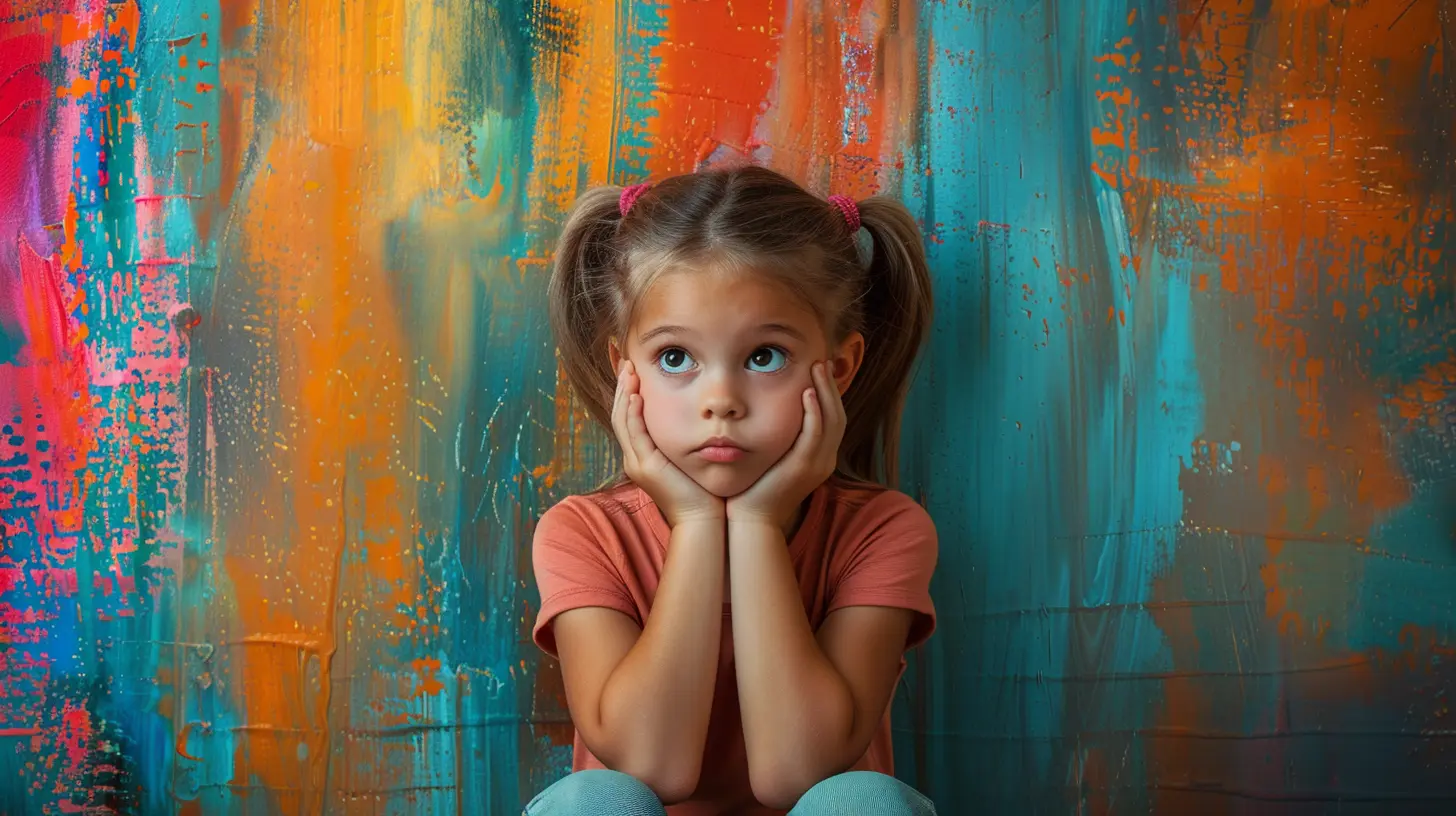
🎭 What is Play Therapy?
Imagine walking into a therapist’s office and instead of a couch and a notebook, you see dolls, action figures, sand trays, and art supplies. Looks fun, right? That’s the essence of play therapy. It’s a structured, evidence-based therapy that helps children express their emotions, process trauma, and develop coping skills—without forcing them to verbalize feelings they may not even fully understand.Rather than asking a child, "Tell me why you're upset," a play therapist might hand them a toy house and observe how they interact with it. Through play, kids naturally reveal their inner struggles, concerns, and emotions.

🏠 Why Kids Need Play Therapy
Children aren’t miniature adults. Expecting them to articulate their emotions with the same depth as grown-ups is wishful thinking. Play therapy works because:- Play is a child’s language. They communicate their thoughts and feelings through actions, not just words.
- It feels safe. Sitting across from a therapist can be intimidating, but playing in a familiar setting feels natural and non-threatening.
- It gives them control. Many emotional disorders stem from feelings of helplessness. Play therapy allows children to take charge of their world in a way they can’t always do in real life.

🎨 Types of Play Therapy
Play therapy isn’t a one-size-fits-all approach. Therapists use different techniques based on the child’s needs and personality. Here are some common methods:1. Child-Centered Play Therapy (CCPT)
In this non-directive approach, the child chooses how to play, while the therapist observes and provides gentle guidance. The goal? To give the child autonomy and encourage emotional expression.2. Directive Play Therapy
Here, the therapist takes an active role, introducing specific toys or activities to address particular emotional issues. This is useful for kids who struggle with structure or need help processing trauma.3. Sand Tray Therapy
Think of this as storytelling in a sandbox. Kids create scenes using miniature figurines, subtly revealing their inner thoughts and emotions.4. Art Therapy
Drawing, painting, and sculpting allow children to express feelings that are too complex or painful to verbalize. A simple doodle can sometimes say more than a thousand words.5. Doll or Puppet Play
Ever seen a child make their toys have a conversation? That’s not just play—it’s an emotional outlet. Using dolls or puppets, kids reenact experiences, which helps therapists understand their struggles.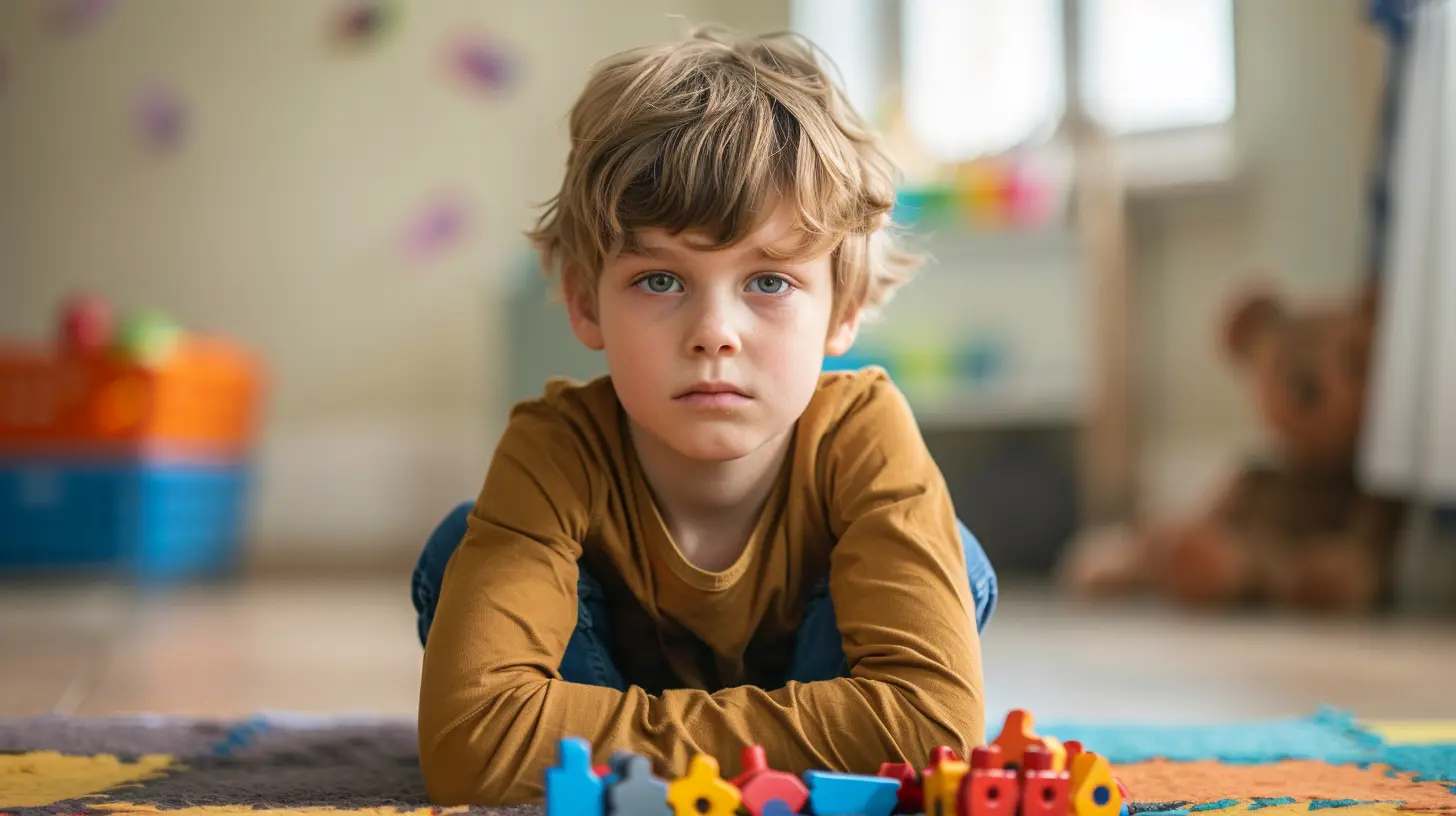
😢 Emotional Disorders Play Therapy Can Help With
Play therapy isn’t just for kids who love toys—it’s used to treat a wide range of childhood emotional disorders, including:1. Anxiety and Phobias
Kids with anxiety often carry an invisible storm inside them. Through play, they can process fears in manageable bits, learning coping strategies along the way.2. Depression
When a child is struggling with depression, they might withdraw or lose interest in activities. Play therapy helps them reconnect with joy and express emotions they’ve been bottling up.3. Trauma and PTSD
Children who’ve experienced abuse, neglect, or other traumatic events often struggle to talk about their pain. Play therapy provides a safe outlet to process their experiences without being re-traumatized.4. ADHD and Behavioral Issues
For kids with ADHD, sitting still and talking through their emotions isn’t exactly easy. Play therapy allows them to engage in a way that feels natural while also helping them develop impulse control and emotional regulation.5. Autism Spectrum Disorder (ASD)
Children on the autism spectrum may struggle with social skills and emotional expression. Play therapy helps them practice communication, empathy, and self-regulation in a non-threatening way.🤹♂️ How Play Therapy Works
So, what actually happens in a play therapy session? It’s more than just an hour of free play. Here’s a sneak peek behind the scenes:1. Establishing Trust
First, the therapist builds rapport with the child. No deep emotional dives just yet—just getting comfortable in the play space.2. Observing Play Patterns
The therapist watches how the child interacts with toys. Do they always choose the same toy? Act out aggressive scenes? Avoid certain items? These patterns provide insight into their emotions.3. Engaging in Symbolic Play
Through play, children often reenact past experiences or internal struggles. A child who repeatedly builds and destroys a Lego tower might be processing feelings of instability in their life.4. Guiding Without Directing
In non-directive play therapy, the therapist doesn’t interfere much. In directive approaches, they might gently introduce scenarios to help the child express emotions in a structured way.5. Teaching Coping Skills
Over time, the child learns healthier ways to deal with emotions. Whether it’s through storytelling, role-playing, or creative expression, they gain tools to navigate real-world challenges.👩⚕️ The Science Behind Play Therapy
This isn’t just feel-good psychology—research backs it up. Studies show that play therapy is effective in reducing anxiety, improving emotional regulation, and even enhancing social skills.One study found that children with PTSD who underwent play therapy showed significant improvements in emotional expression and stress reduction. Another study revealed that play therapy helps children with ADHD develop better focus and behavioral control.
The brain is wired for play. When children engage in imaginative play, their brains release feel-good chemicals like dopamine, which can foster healing and growth.
🏆 Why Parents Love Play Therapy
Let’s be honest—parenting is tough. Watching your child struggle emotionally is heartbreaking, and traditional therapy doesn’t always work for little ones. Play therapy offers a gentle, engaging approach that actually resonates with children.Parents often notice improvements like:
✔️ Reduced tantrums and emotional outbursts
✔️ Better communication skills
✔️ Increased confidence and self-esteem
✔️ Stronger parent-child relationships
And the best part? Kids actually enjoy it! Instead of dreading therapy, they look forward to their sessions, making it a win-win for both parents and children.
🤔 Is Play Therapy Right for Your Child?
If your child is struggling with emotions, behavior, or trauma, play therapy might be a perfect fit. It offers them a chance to express themselves in a way that feels natural, safe, and even fun.Not sure where to start? Look for a licensed play therapist in your area and schedule a consultation. You might just find that a few toys and some imaginative play can make all the difference in your child’s emotional well-being.
🎯 Final Thoughts
Kids don’t need to sit on a couch and talk about their feelings like adults do. They need space, creativity, and a little bit of playtime to make sense of their emotions. Play therapy is like emotional training wheels—it helps kids process their world, heal from emotional wounds, and ride confidently into a healthier future.So, if your child is struggling, don’t underestimate the power of a teddy bear, a dollhouse, or a sandbox. Sometimes, the simplest tools lead to the most profound healing.
all images in this post were generated using AI tools
Category:
Psychological Disorders In ChildAuthor:

Eliana Burton
Discussion
rate this article
2 comments
Gabriella Robinson
Great insights! Play therapy truly highlights the power of creativity and connection in helping kids navigate their emotions. Thank you for sharing!
March 21, 2026 at 4:13 AM
Eliana Burton
Thank you for your kind words! I'm glad you found the insights valuable. Play therapy indeed plays a vital role in fostering creativity and connection for children.
Khloe McPherson
Play therapy is a powerful tool that nurtures healing in children, allowing them to express emotions and navigate challenges through creativity. By fostering a safe space for exploration, we empower young minds to discover resilience and growth, ultimately paving the way for brighter futures. Keep inspiring hope!
March 9, 2026 at 3:44 AM
Eliana Burton
Thank you for your thoughtful comment! I wholeheartedly agree that play therapy plays a vital role in nurturing resilience and promoting healing in children. Your insights on its impact are greatly appreciated!