Neurobiology of Memory: How We Remember and Forget
12 January 2026
Ever wondered why you can instantly recall your childhood home phone number, but can't remember where you put your keys five minutes ago? Or how a smell can suddenly bring back a decade-old memory? Welcome to the endlessly fascinating world of memory—and more specifically, the neurobiology of memory.
In this article, we're diving deep into the science behind how our brains store, retrieve, and sometimes lose information. We’ll break it down in simple terms, so you won’t need a neuroscience degree to follow along. Let's untangle the wires of your memory!
What Is Memory, Really?
Before we jump into the brainy part, let’s define memory. In the simplest terms, memory is our brain’s ability to store and retrieve information. It’s like a super-advanced filing system, except it’s a lot messier and definitely not as easy to organize.But here’s the thing—our brains aren’t just storage lockers. They actively interpret, connect, and reconstruct information every time we recall something. Yeah, your brain’s not just saving files, it’s editing them on the fly.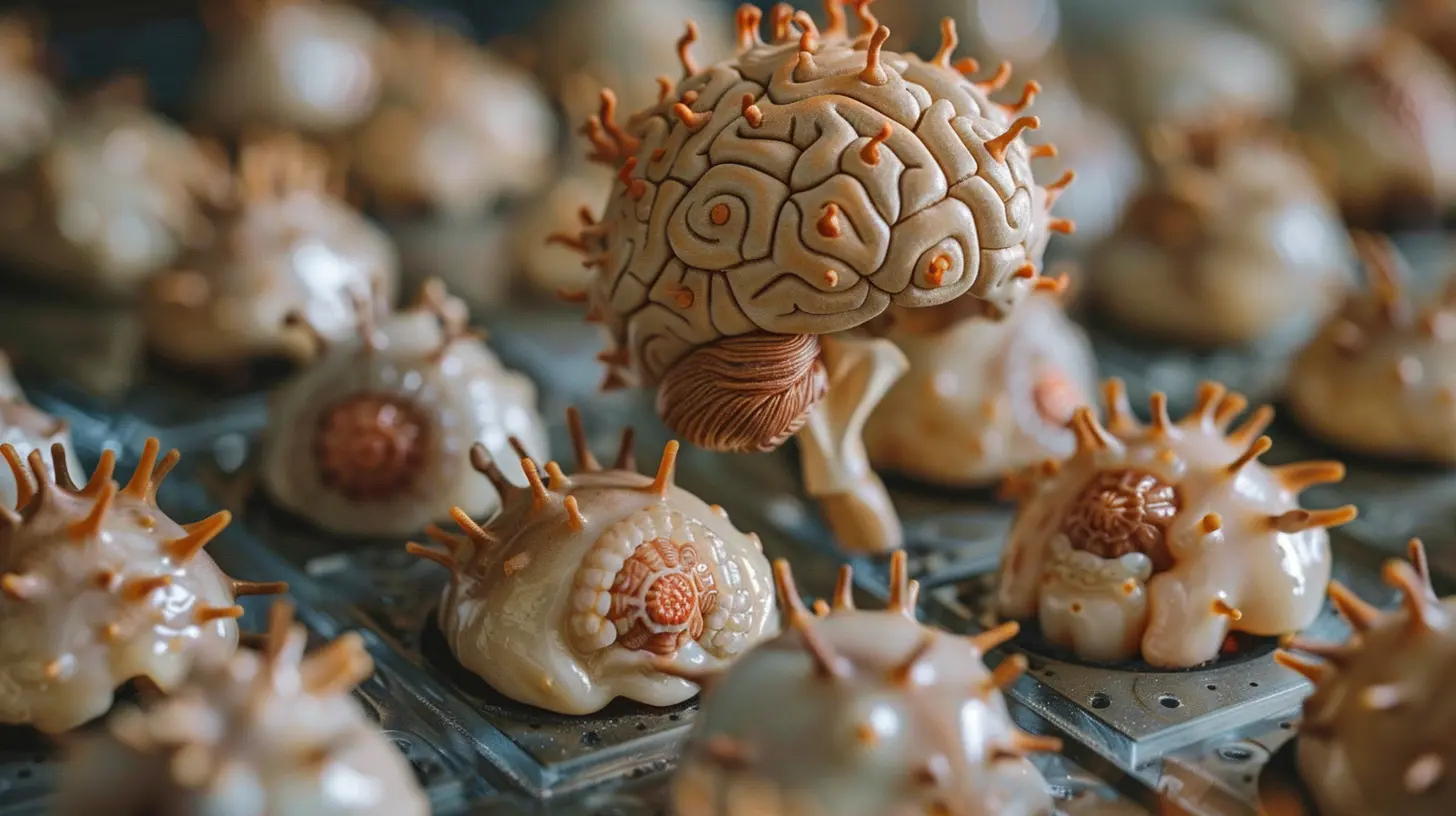
The Brain Regions Involved in Memory
Your brain's memory system is a team effort. Several regions work together to make remembering—and forgetting—possible. Here's your brain's memory dream team:1. Hippocampus: The Memory GPS
If your memories were a movie, the hippocampus would be the director. It’s in charge of forming new memories and connecting them to emotions, places, and time. Think of it like your brain’s internal GPS—mapping experiences and logging where and when they happened.Damage to the hippocampus? It’s like someone cut the wire to your mental recording device. You might remember old memories, but forming new ones becomes almost impossible.
2. Amygdala: The Emotion Amplifier
Ever noticed how emotional events tend to stick in your mind? That’s the amygdala at work. It tags emotional memories for “priority storage,” making them more vivid and long-lasting.That embarrassing moment in high school you wish you could forget? Yeah, blame your amygdala.
3. Prefrontal Cortex: The Organizer
This part of your brain helps with working memory—like that mental sticky note you use to remember someone’s name during a conversation. It plays a big role in planning, decision-making, and keeping your mental workspace tidy.4. Cerebellum and Basal Ganglia: The Muscle Memory Guys
These areas are behind your procedural memory—like riding a bike, typing without looking, or playing a musical instrument. You don’t “think” about these actions anymore because these guys have your back.
The Types of Memory
Memory isn’t one-size-fits-all. Your brain stores different types of memories in different ways. Let’s break it down:1. Sensory Memory
Imagine flashing a photo in front of your face for a split second. That fleeting image? That’s sensory memory. It grabs sensations from the environment for a brief moment—just long enough for you to notice.We have three main kinds:
- Iconic (visual)
- Echoic (auditory)
- Haptic (touch)
But sensory memory doesn’t last long. It fades in a second unless you pay attention.
2. Short-Term Memory (STM)
Also called working memory, STM holds information for a few seconds to a minute. It’s the mental notepad you use to remember a phone number just long enough to dial it.Fun fact? Your STM capacity is often limited to 7±2 chunks of information. That’s why phone numbers are typically 7 digits long.
3. Long-Term Memory (LTM)
This is where the magic happens. Long-term memory can store vast amounts of information for a lifetime. It comes in two main flavors:- Explicit (Declarative) Memory: Facts and experiences you can consciously recall. Includes:
- Semantic memory (general knowledge — like knowing that Paris is the capital of France)
- Episodic memory (personal experiences — like your last birthday party)
- Implicit (Non-Declarative) Memory: Skills and tasks you do without thinking, like riding a bike or brushing your teeth.
How Memories Are Formed
Now let’s get into the juicy part—how do memories actually form?Step 1: Encoding
Think of this as the "input" stage. Your brain takes in sensory information and converts it into a format it can store. Paying attention is key here. The more attention you give something, the better it’s encoded.That’s why cramming for a test while watching Netflix doesn’t work so well.
Step 2: Storage
Once encoded, the information’s got to be filed somewhere. This happens across different brain regions depending on the memory type. Storage can last seconds (sensory memory), minutes to hours (short-term), or even a lifetime (long-term).Step 3: Retrieval
This is where you go fetch that memory. But it’s not always a perfect system. Sometimes retrieval fails—like forgetting a name at the worst possible moment.Ever said, “It’s on the tip of my tongue”? That’s a retrieval hiccup.
How We Forget: The Other Side of the Coin
Forgetting gets a bad rap, but it’s actually a healthy part of memory. Your brain can’t hold onto every detail forever—it needs to declutter. Here’s how forgetting happens:1. Decay Theory
Over time, memory traces fade away if they’re not used. It’s like writing in sand—if you don’t come back to it, the waves of time wash it away.2. Interference
New memories can bump old ones out of focus. There are two types:- Proactive interference: Old info interferes with new (remembering your old password instead of the new one)
- Retroactive interference: New info pushes out old (forgetting your previous address after moving)
3. Retrieval Failure
Sometimes the memory is there, but you just can’t access it. It’s like a black hole in your brain. Usually caused by stress, distractions, or lack of cues.4. Motivated Forgetting
This one’s deep. Sometimes, we subconsciously block out painful memories. Known as repression, it's the brain’s way of protecting our emotional well-being—though it’s not always effective.What Happens When Memory Goes Wrong?
Memory isn’t foolproof. When things go haywire, you get memory disorders. Here's a quick rundown:Alzheimer’s Disease
This degenerative brain condition slowly erases memory, starting with short-term and moving to long-term. It severely impacts the hippocampus and affects millions worldwide.Amnesia
Different from Alzheimer’s, amnesia usually follows brain injury, trauma, or illness. It can affect the ability to form new memories (anterograde) or recall old ones (retrograde).PTSD and Flashbulb Memories
Traumatic events can cause vivid and persistent memories known as flashbulb memories. PTSD sufferers often relive painful experiences, thanks to an overactive amygdala and dysfunctional hippocampus.Can We Improve Our Memory?
Absolutely! While we can’t all become memory champions, there are ways to give your brain a boost:- Sleep: Memory consolidation happens during sleep. Pulling an all-nighter? Not helpful.
- Exercise: Boosts blood flow and helps form new neural connections.
- Mindfulness and Meditation: Keeps your brain focused and reduces stress.
- Healthy Diet: Omega-3s, antioxidants, and B-vitamins are brain food.
- Mnemonic Devices: Rhymes, acronyms, and imagery can make info stick.
- Spaced Repetition: Revisit information over time. Cramming is a short-term fix.
Final Thoughts
Memory is a bit like a magic trick—easy to take for granted until it doesn’t work. Understanding the neurobiology behind how we remember and forget not only makes us more aware of our cognitive quirks, but also empowers us to take better care of our mental well-being.The next time a scent sends you spiraling back into a childhood moment or you totally blank on someone’s name, just remember—it’s not just you. It’s your incredible, complex, sometimes forgetful brain doing its thing.
Take care of that brain, and it’ll take care of you.
all images in this post were generated using AI tools
Category:
NeuroscienceAuthor:

Eliana Burton
Discussion
rate this article
2 comments
Cassandra Rocha
This article offers a compelling overview of memory’s neurobiology, yet it could delve deeper into the implications of forgetting. Understanding its adaptive role could enhance our appreciation of memory's complexities and its impact on identity.
February 20, 2026 at 3:35 AM
Eliana Burton
Thank you for your insights. I appreciate your suggestion about exploring forgetting's adaptive role. It's a fascinating angle worth considering for future discussions.
Francesca McIntosh
This article beautifully breaks down the complex neurobiology behind memory. It’s fascinating how our brains encode, store, and sometimes fail to recall information. Understanding these mechanisms not only enhances our appreciation of memory but also highlights the importance of mental health.
January 15, 2026 at 4:10 AM
Eliana Burton
Thank you for your thoughtful comment! I'm glad you found the article insightful. Understanding memory is indeed crucial for both neuroscience and mental health.