The Role of Art Therapy in Treating Childhood Psychological Disorders
5 July 2026
Childhood can be a magical time filled with giggles, scraped knees, and boundless imagination. But for some children, the world can sometimes feel a little too loud, a little too confusing, or maybe even a little too scary. That’s where art therapy steps in like a colorful superhero with a paintbrush.
In this post, we’re diving into the vibrant world of art therapy and how it plays a meaningful role in treating psychological disorders in children. We’ll wander through watercolor dreams, scribbled secrets, and clay-modeled feelings to understand how creative expression can help children heal, grow, and thrive emotionally.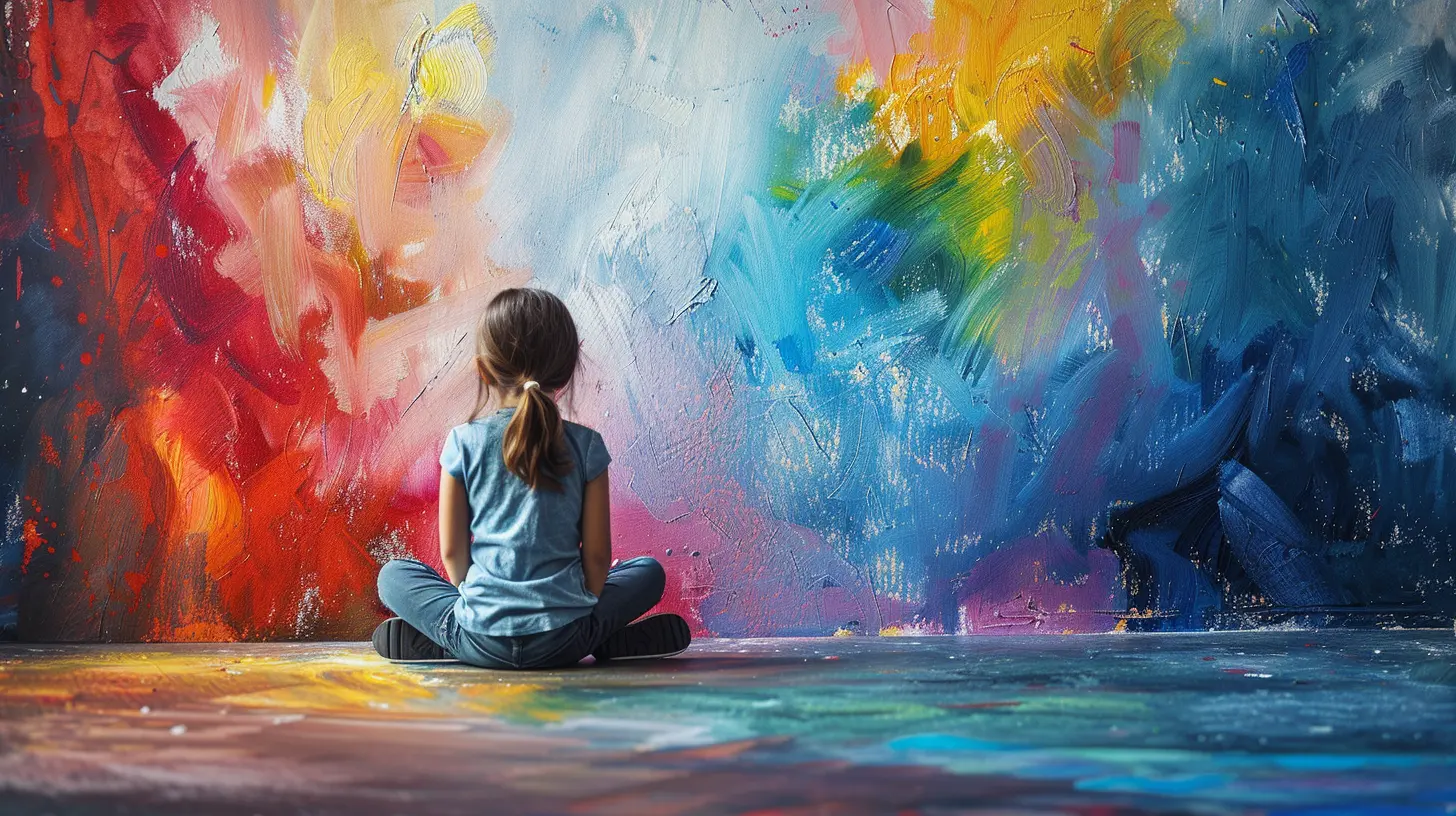
🎨 What is Art Therapy Anyway?
Okay, let’s start with the basics. Art therapy is a form of psychotherapy that uses art-making as a way to explore emotions, reduce anxiety, and improve mental well-being. But it's not just "arts and crafts time." Nope—it goes much deeper than that.Certified art therapists are trained mental health professionals who use creative methods like drawing, painting, sculpting, and collage to help people, especially children, express what they might not be able to say with words.
Ever tried telling someone how you feel, but you just can’t find the right words? Imagine you’re 6 years old and have even fewer words to work with! Well, that’s exactly where art becomes a powerful form of communication.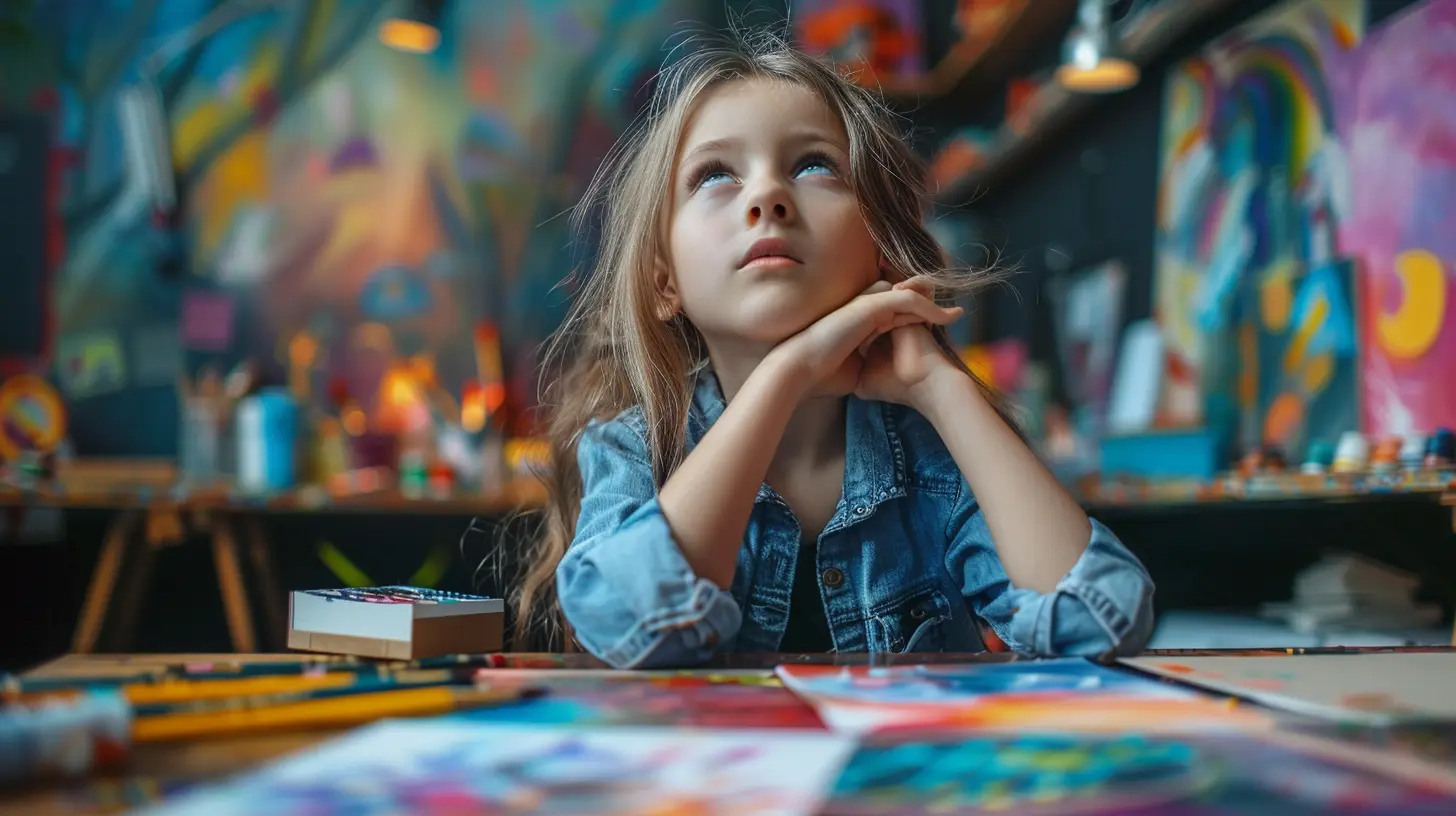
💡 Why Kids Respond So Well To Art Therapy
Children are naturally creative and expressive. Give a kid a crayon, and they’ll show you a universe that exists only in their mind. But here’s the real magic—art gives kids a safe space to let those deep, sometimes scary thoughts tumble out onto paper rather than staying bottled up inside.Plus, art is non-threatening. There’s no pressure to "get it right." You don’t need grammar or social skills to draw a picture. There’s no judgment. That freedom can unlock emotions that words often can’t.
Let’s break it down. Here’s why art therapy is especially effective with children:
- Developmentally Appropriate: Younger kids aren’t great with abstract verbal reasoning—but they totally understand how to color outside the lines.
- Safe Expression: Kids can express intense emotions like anger, sadness, and fear without saying a single word.
- Builds Self-Esteem: Completing an art project can give a child a sense of accomplishment and identity.
- Engages Both Brain Hemispheres: The right side gets to play with creativity, while the left side processes logic and understanding.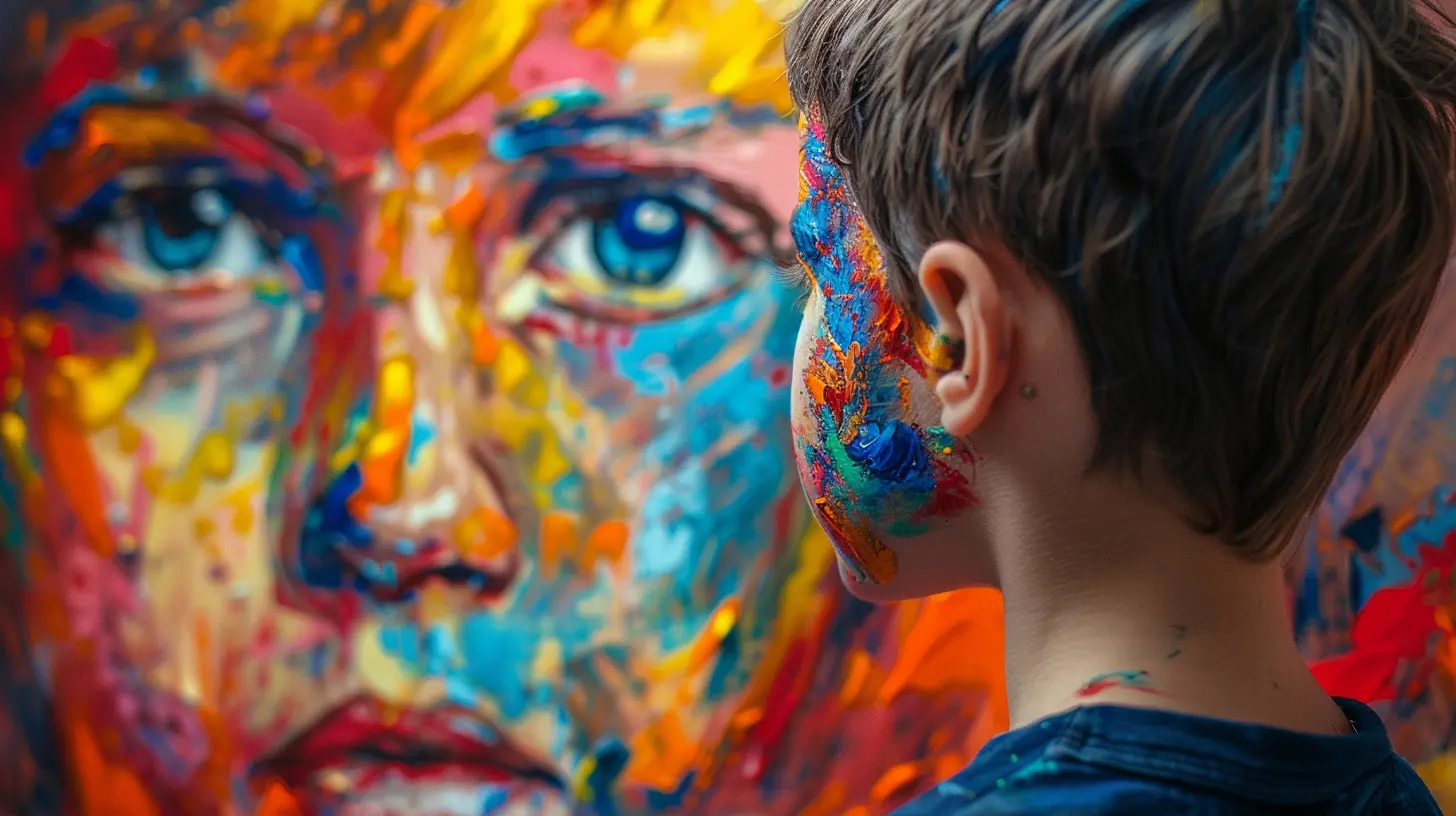
🧠 Childhood Psychological Disorders That Benefit from Art Therapy
Art therapy isn’t just some feel-good hobby; it’s been used effectively in clinical settings for real emotional and behavioral challenges. Let’s look at a few childhood psychological disorders that respond incredibly well to art therapy:1. Anxiety Disorders
Children with anxiety often feel overwhelmed, worried, or jittery. They might not know how to explain why they’re scared. Through art, these children can visually represent their fears—maybe a monster under the bed becomes a drawing. Once it’s on paper, the therapist and child can "talk to the monster" and work through coping strategies together.2. Depression
Yes, kids can suffer from depression too. It might show up as irritability, withdrawal, or even physical complaints like stomachaches. Art therapy helps these children express complex feelings in a way that feels safe and validating.3. Autism Spectrum Disorder (ASD)
A child with autism might struggle with verbal expression, social skills, or sensory sensitivities. Through art, they can communicate in their own way. Plus, the tactile nature of clay or paint can be both soothing and stimulating, offering a sensory experience tailored to their needs.4. ADHD
Sitting still and focusing can be a big challenge for kids with ADHD. But when they’re absorbed in a creative project, something amazing happens—they focus! Art can channel restlessness into productivity, helping them develop concentration and emotional regulation.5. PTSD or Trauma
Children who’ve experienced abuse, neglect, or other trauma may not want—or be able—to talk about what happened. Art therapy creates a gentle pathway to healing. Drawing, painting, or building can externalize internal chaos and provide a sense of control and empowerment.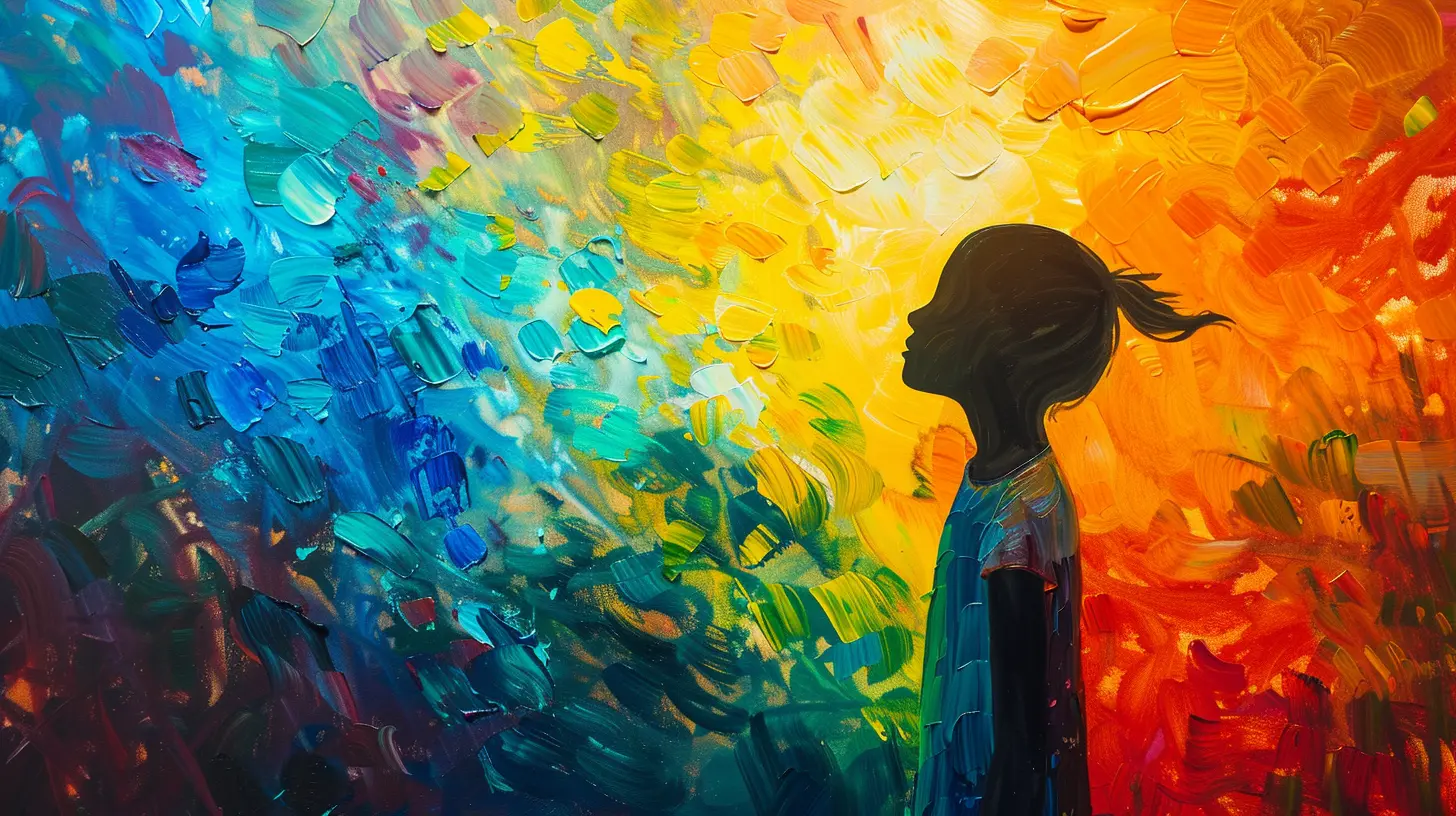
✍️ How Does a Typical Art Therapy Session Look for Kids?
Okay, picture this: a cozy room filled with paints, markers, clay, and maybe even feathers and glitter. There’s soft music in the background. A kind, patient art therapist invites the child to "make something that shows how you feel today."At first, the child might scribble or bash the clay. That’s okay—it’s all part of the process. The therapist might ask questions like:
- “Tell me about what you made.”
- “What’s happening in this picture?”
- “If this color had a feeling, what would it be?”
It’s not about the artistic quality—seriously, no one’s handing out gold stars here. The goal is to tap into the emotional layer behind the art.
Also, sessions aren’t one-size-fits-all. Some days might be about exploring joy and hope, while others might dive into sadness or anger. The child leads (with gentle guidance), and the artwork becomes a mirror, a diary, and a bridge to recovery.
🌱 The Healing Power of Creativity
Let’s talk science for a second—but don’t worry, I’ll keep it simple. Art-making stimulates the release of dopamine and endorphins, the feel-good chemicals in your brain. That’s why we say art therapy is like a warm hug for your mind.But the healing goes beyond brain chemistry. Art therapy encourages:
- Emotional regulation
- Improved focus and memory
- Better social interaction
- Increased resilience
Children who engage in creative expression often develop better coping mechanisms, stronger communication skills, and an enhanced sense of self-worth.
🧩 Real-Life Success Stories
Let’s take a peek behind the curtain. Here are a few snapshots of how art therapy has helped brighten kids' lives:- Emily, age 8, was dealing with separation anxiety after her parents’ divorce. Through weekly art therapy, she created a comic strip of a superhero squirrel who bravely faced stormy skies. By the end of six months, she no longer feared staying with either parent and was sleeping through the night.
- Jayden, age 10, had been diagnosed with PTSD after surviving a car accident. He refused to talk about it, but his drawings showed crashing cars and broken roads. With the therapist’s guidance, his drawings evolved into healing paths and safe vehicles. Today, he’s back in school and even enjoying car rides again.
👪 Art Therapy and Parental Involvement
One of the best parts about art therapy? Parents don’t have to sit back and feel helpless. They’re often included in the therapeutic process.Art therapists might invite parents to join sessions where they create art alongside their child. It opens up communication and builds trust again—sometimes even without speaking a word.
Even better? Parents can continue art activities at home. Finger-painting on a lazy Sunday? That’s therapy too!
🧰 Art Therapy Tools and Techniques
So what kind of supplies do kids get to play with in therapy sessions? Oh, it’s a dream come true for little artists! Tools can include:- Colored pencils, crayons, markers
- Watercolors and tempera paints
- Air-dry clay and modeling dough
- Collage materials (magazines, stickers, glue)
- Sand trays
- Puppets and masks
- Fabric scraps and yarn
Each medium invites different expressions. Some kids feel freer with abstract painting, while others want to carefully detail a story scene.
Art therapy might also include specific techniques like:
- Mandala drawing (great for focus and calm)
- Self-portraits (developing identity)
- Timeline art (processing past events)
- Family drawings (exploring dynamics)
🛠️ Challenges and Considerations
Okay, real talk—not every child will take to art therapy immediately. Some kids might be resistant or think it’s "babyish." That’s normal.It’s also important to understand that art therapy is a complement to—not a replacement for—other forms of therapy or medication when needed. And it must be led by a trained, certified art therapist. Not just your average kindergarten art session (though those are pretty fabulous too!).
🌈 The Future of Art Therapy in Children's Mental Health
With more schools and healthcare providers recognizing the power of creativity in emotional healing, art therapy is expanding its reach. Telehealth options are even emerging, where kids can do virtual art therapy using digital tools—how cool is that?The future is bright, colorful, and filled with glitter glue.
🎯 Final Thoughts
Children sometimes experience emotions bigger than their little bodies can hold. Words might fail them, but colors, shapes, and lines can speak volumes. That’s the true magic of art therapy—it gives children a voice when language falls short.So whether it’s through a scribbled dragon, a painted rainbow, or a clay volcano erupting with "feelings lava," art therapy opens windows into young hearts and minds. And in those brushstrokes, healing begins.
all images in this post were generated using AI tools
Category:
Psychological Disorders In ChildAuthor:

Eliana Burton
Discussion
rate this article
1 comments
Logan Underwood
Art therapy fosters healing and expression.
July 11, 2026 at 3:41 AM
Eliana Burton
Absolutely, art therapy can be a powerful tool for children, offering a unique way to express emotions and promote healing.