Cultivating Emotional Balance Through Yoga
1 July 2026
In our fast-paced world, finding emotional balance can feel like grasping at straws—just when you think you've got it, something else comes along and throws you off course. Sound familiar? You’re not alone. Whether it’s work stress, relationship drama, or just the general hustle and bustle of everyday life, maintaining emotional equilibrium is no easy task. But here’s the good news: Yoga can help.
Yoga is often associated with physical fitness, but it's much more than fancy poses and flexibility. It’s a holistic practice that targets both the body and the mind, making it a powerful tool for cultivating emotional balance. In this article, we’re going to dive deep into how yoga can help you manage your emotions, reduce stress, and live a more balanced life.
So, grab your mat, take a deep breath, and let’s explore how yoga can be a game-changer for your emotional well-being.

What Is Emotional Balance?
Before we get into the nitty-gritty of how yoga can help, let's first understand what emotional balance actually means. Emotional balance doesn’t mean being happy 24/7 (wouldn't that be nice, though?). Rather, it’s about being able to manage your emotions in a healthy way, no matter what life throws at you.Think of emotional balance like a scale. On one side, you have positive emotions—happiness, excitement, joy. On the other side, you have negative emotions—anger, sadness, frustration. When life's challenges come your way, maintaining emotional balance means being able to return to a calm and centered state after experiencing both the highs and lows. It’s not about avoiding negative emotions but navigating them with grace and resilience.

The Science of Stress and Emotions
We can't talk about emotional balance without addressing stress. Stress is like that uninvited guest who just won't leave. It creeps into your life, wreaking havoc on both your mental and physical health. When you're stressed, your body releases a hormone called cortisol. While cortisol is essential for survival, too much of it over time can lead to emotional instability, anxiety, depression, and a host of other issues.Long-term stress can cause your emotions to be all over the place. One minute, you’re feeling fine, and the next, you’re snapping at someone or feeling overwhelmed with sadness. This emotional rollercoaster is exhausting, and it’s one of the key reasons why cultivating emotional balance is so important.
So how does Yoga fit into all of this? Let me break it down for you.
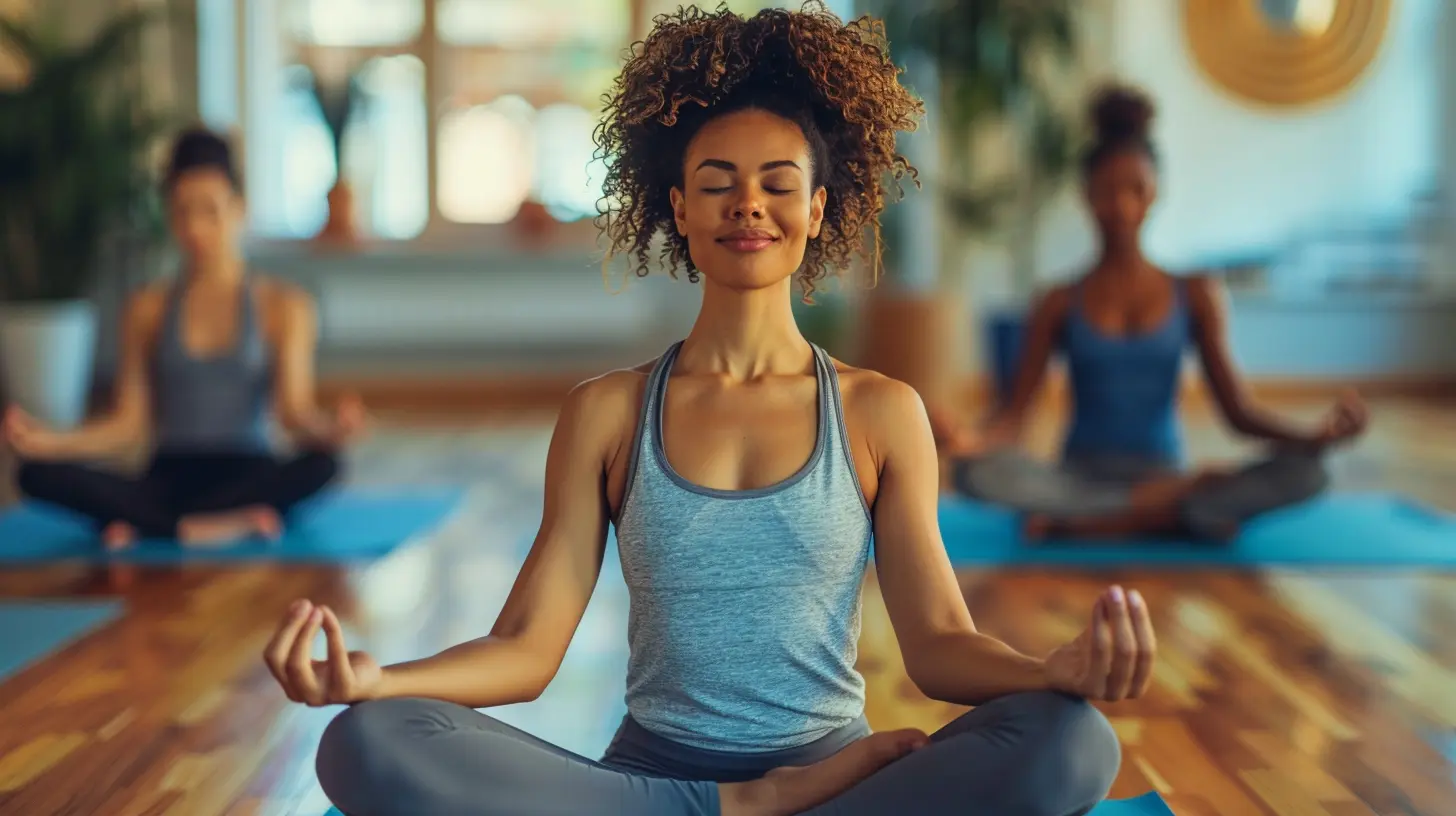
How Yoga Helps Cultivate Emotional Balance
1. Mind-Body Connection
Yoga is all about the connection between your mind and body. When you're practicing yoga, you're not just moving through poses (asanas); you're coordinating your breath with those movements. This focus on breathwork (pranayama) helps to bring you into the present moment, which is key for emotional regulation.Mindfulness, a core component of yoga, teaches you to observe your emotions without getting entangled in them. Instead of reacting impulsively to stress or anger, mindfulness allows you to pause, breathe, and consider your next move. This can be incredibly helpful when you're feeling emotionally overwhelmed.
2. Stress Reduction
Yoga is a well-known stress buster. Studies have shown that regular yoga practice can reduce the production of cortisol, that pesky stress hormone we talked about earlier. Lower cortisol levels mean you're less likely to experience mood swings, anger, or anxiety.Incorporating yoga into your daily routine can create a calming effect on your nervous system, flipping the switch from "fight or flight" mode (sympathetic nervous system) to "rest and digest" mode (parasympathetic nervous system). This is the state where your body can relax and heal, both physically and emotionally.
3. Enhanced Self-Awareness
Through yoga, you can develop a deeper sense of self-awareness. Many poses require you to focus inward, paying attention to how your body feels and where your mind goes during practice. This increased self-awareness helps you become more attuned to your emotional states.When you’re more aware of your emotions, you can catch yourself before you spiral into negative patterns, like excessive worrying or snapping at someone out of frustration. It’s like having an emotional radar that alerts you when you’re about to veer off course, giving you the opportunity to steer yourself back to balance.
4. Emotional Release
Ever find yourself crying in the middle of a yoga class? You’re not alone. Yoga has a way of bringing up deep-seated emotions and helping you release them. Certain poses, like hip openers (think Pigeon Pose or Bound Angle Pose), are known for unlocking emotional tension stored in the body.Our bodies hold onto stress and trauma, and yoga provides a safe space to release those pent-up emotions. As you move through different poses, you may experience an emotional release that helps you process unresolved feelings, allowing you to move forward with a lighter heart.
5. Improved Sleep Quality
Sleep and emotional balance go hand-in-hand. When you’re sleep-deprived, it’s much harder to regulate your emotions. You’re more likely to be irritable, anxious, or even depressed.Yoga, particularly restorative or gentle yoga, can improve your sleep quality by calming your mind and relaxing your body. Practices like Yoga Nidra (a guided form of meditation) can be especially helpful for those who struggle with insomnia or restless sleep. Better sleep means you're better equipped to handle emotional challenges during the day.
The Best Yoga Poses for Emotional Balance
Now that we’ve covered how yoga can help with emotional balance, let’s talk about some specific poses that can help you manage your emotions and reduce stress.1. Child’s Pose (Balasana)
Child’s Pose is a simple, grounding pose that helps calm the mind and ease stress. It encourages a sense of surrender, making it a great pose to practice when you're feeling overwhelmed or emotionally drained.- How to do it: Kneel on the floor, bring your big toes together, and sit back on your heels. Stretch your arms forward and rest your forehead on the mat. Take deep breaths and let go of tension.
2. Bridge Pose (Setu Bandhasana)
Bridge Pose is excellent for opening the chest and heart, which can help release emotions. It also stimulates the thyroid gland, which plays a role in regulating mood.- How to do it: Lie on your back with your knees bent and feet flat on the floor. Press into your feet and lift your hips toward the ceiling. Clasp your hands under your back and hold for a few breaths.
3. Pigeon Pose (Eka Pada Rajakapotasana)
Pigeon Pose is known for releasing deep-seated emotions, especially those related to stress and anxiety. It stretches the hips, where many of us store emotional tension.- How to do it: From a downward dog position, bring one knee forward and extend the opposite leg back. Lower your hips to the ground and fold forward over your front leg. Hold for several breaths and switch sides.
4. Corpse Pose (Savasana)
Corpse Pose is the ultimate relaxation pose. It helps reset your nervous system and allows you to fully relax both physically and mentally.- How to do it: Lie flat on your back with your legs extended and arms at your sides, palms facing up. Close your eyes and focus on your breath, letting go of any tension in your body.
5. Legs Up the Wall (Viparita Karani)
This restorative pose helps calm the mind and reduce anxiety. It’s also great for relieving fatigue and promoting better sleep.- How to do it: Sit with one side of your body against a wall. Swing your legs up onto the wall as you lie down on your back. Relax your arms by your sides and hold the position for 5-10 minutes.
How to Incorporate Yoga into Your Daily Routine
You don’t need to commit to a 90-minute yoga class every day to experience the emotional benefits. Even just 10-15 minutes of yoga can make a big difference. Here are a few tips for incorporating yoga into your daily routine:- Start small: Begin with just 5-10 minutes of gentle stretching or breathwork in the morning or before bed.
- Focus on your breath: If you're short on time, simply taking a few minutes to practice deep breathing can help you reset your emotional state.
- Find a style that works for you: Whether it's Vinyasa, Hatha, or Restorative, choose a style of yoga that resonates with you and your emotional needs.
- Be consistent: The key to cultivating emotional balance through yoga is consistency. Try to practice regularly, even if it's just for a few minutes each day.
Final Thoughts
Emotional balance doesn’t happen overnight, and there’s no magic pill that will instantly make you feel calm and centered all the time. However, yoga offers a powerful, natural way to cultivate emotional stability and resilience. By connecting your mind and body, reducing stress, and increasing self-awareness, yoga can be a cornerstone in your emotional wellness toolkit.So, the next time you're feeling overwhelmed, anxious, or just out of sorts, roll out your yoga mat and take a few deep breaths. You might be surprised at how quickly you can regain your emotional footing.
all images in this post were generated using AI tools
Category:
Emotional Well BeingAuthor:

Eliana Burton
Discussion
rate this article
1 comments
Clover Jones
Yoga: where the mat becomes a safe space for your feelings to dance like an awkward penguin. Balancing emotions is like trying to balance on one leg while sipping tea. It's all about finding your groove, even if that groove looks a little wobbly sometimes... and that's perfectly okay!
July 9, 2026 at 3:08 AM
Eliana Burton
I love that imagery! Yoga really does let our emotions waddle around until they find their balance. Embracing the wobble is half the journey.