The Neuroscience of Gratitude: How Thankfulness Rewires Your Brain
20 January 2026
Ever notice how a simple "thank you" can shift your mood almost instantly? Maybe someone held the door open for you, or your friend sent a thoughtful message when you needed it most. That tiny spark of appreciation doesn't just feel good—it actually transforms your brain.
Gratitude isn’t just some fluffy feel-good emotion. It’s a powerful mental habit backed by hard science. In fact, researchers have been diving deep into the neuroscience of gratitude, and what they’ve found is pretty mind-blowing: being thankful literally changes the structure and function of your brain.
In this article, we’ll dig into the brain science behind gratitude, understand the amazing benefits it brings, and look at ways to naturally make it part of your daily life. Ready to find out what thankfulness is doing to your brain? Let’s get into it.
What Happens in Your Brain When You're Grateful?
Gratitude isn't just a fleeting emotion. It's a whole brain experience. When you feel truly thankful, your brain lights up like New Year’s Eve fireworks.1. Activation of the "Feel-Good" Centers
Gratitude stimulates areas of the brain associated with pleasure, moral cognition, and reward. Studies using MRI scans show that when people express or receive gratitude, brain regions such as the ventromedial prefrontal cortex, anterior cingulate cortex, and the nucleus accumbens become more active.In simpler terms? Gratitude taps into the brain's reward system—the same one that lights up when we eat our favorite food or hug someone we love.
2. Dopamine and Serotonin Boost
Ever felt that warm glow after doing something kind or saying thank you? That’s dopamine and serotonin—your brain’s natural “happy chemicals.” Gratitude triggers these neurotransmitters, improving your mood and even enhancing your feelings of connection with others.Gratitude acts like a natural antidepressant. The more you practice it, the more those feel-good chemicals flow. It's like giving your brain a little bath in positivity every time you focus on what’s good.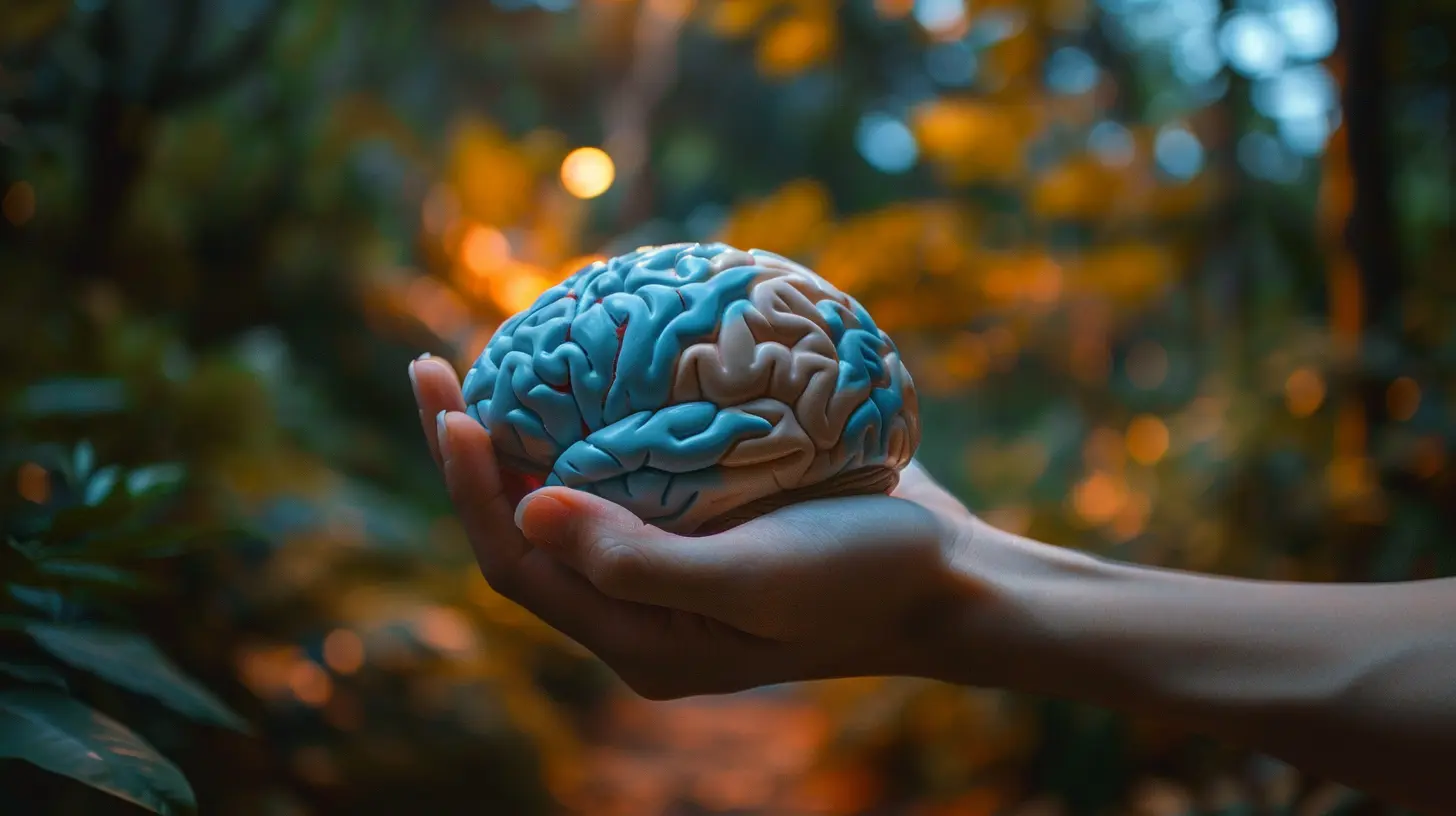
How Gratitude Rewires Your Brain Over Time
Practicing gratitude occasionally is great—but making it a habit is where the magic really happens.1. Neuroplasticity: Your Brain Learns Through Repetition
Our brains are constantly changing, a process known as neuroplasticity. Every time you think a thought or feel an emotion, you’re strengthening that neural pathway—the same way practicing a song on the piano strengthens your muscle memory.When you practice gratitude daily, you reinforce pathways in the brain that promote positivity, empathy, and resilience. Over time, your brain becomes wired to default to the good, rather than dwell on the bad.
Think of it like walking through a forest. The first time you try to find your way, the path might be hard to see. But the more often you walk it, the clearer and smoother it becomes.
2. Reduction in the Stress Hormone Cortisol
Chronic stress wreaks havoc on your mind and body—but here's the kicker: gratitude helps lower cortisol levels.By shifting your focus from what’s lacking to what’s abundant, you calm the mind. This reduces your fight-or-flight response and shields the brain from the harmful effects of prolonged stress.
It’s like replacing a blaring alarm with a lullaby for your nervous system.
Psychological Benefits of Gratitude: More Than Just Feeling Good
Okay, gratitude makes you feel good. But that’s just scratching the surface.1. Improved Mental Health
Research consistently shows that people who regularly practice gratitude feel happier, more optimistic, and less depressed.In one study, participants who wrote gratitude letters for just three weeks showed significantly better mental health—even up to three months later. Even if they didn’t send the letters, just writing them made a difference.
2. Better Sleep
Have you ever replayed all your worries the moment your head hits the pillow? Try swapping that mental playlist with a gratitude list instead.Studies show that people who spend just a few minutes before bed writing down what they’re thankful for tend to fall asleep quicker, sleep longer, and wake up feeling more refreshed.
3. Enhanced Relationships
Saying “thank you” makes people feel valued. Whether it's your partner, coworker, or barista at your favorite coffee shop—expressing gratitude strengthens social bonds.And get this: people who feel appreciated are more likely to go the extra mile for you. Gratitude really is the social glue that holds us together.
Gratitude and the Brain of Someone with Depression
Let’s talk about this honestly—mental health struggles like depression can make it hard to feel anything positive, let alone thankful.But here’s the encouraging part: in studies on individuals with depression, gratitude exercises have shown promising effects.
Brain scans of people who kept gratitude journals revealed increased activity in the medial prefrontal cortex—an area involved in decision-making and emotional processing. This shift created a more balanced and hopeful perspective over time.
Gratitude isn’t a magic cure, but it's a gentle nudge toward healing. It's like adding a drop of light to a dark room. It may not illuminate everything at once, but it’s a start.
Why Gratitude Works: The Science Behind It
Understanding the brain mechanisms behind gratitude can help you appreciate why it's such a powerful practice.Here’s a breakdown of how gratitude engages the brain:
| Brain Region | Role in Gratitude |
|--------------|---------------------------|
| Prefrontal Cortex | Decision making, planning, emotional regulation |
| Anterior Cingulate Cortex | Empathy, impulse control |
| Ventral Tegmental Area (VTA) | Source of dopamine, motivation |
| Nucleus Accumbens | Reward, pleasure, reinforcement learning |
| Hypothalamus | Regulation of stress, sleep, metabolism |
When you experience gratitude, you’re activating a complex network that helps you feel more optimistic, focused, and emotionally balanced.
How to Build Gratitude Into Your Daily Life (No Journal Needed)
Let’s be real—not everyone wants to sit down with a journal every night. And that’s totally okay. Gratitude doesn’t need to be fancy or formal to be effective.Here are some simple ways to build daily gratitude:
1. Gratitude in the Morning
Before your feet hit the floor, think of one thing you’re thankful for. It could be hot coffee, clean sheets, or just the fact that you woke up.Starting your day with gratitude shifts your mindset from "I have to" to "I get to.”
2. Say It Out Loud
Telling someone you appreciate them out loud makes a deeper impact—for you and for them. It’s easy to think nice things; it’s powerful to say them.3. Use Visual Reminders
Sticky notes on your mirror, a background on your phone, or a bracelet can all serve as gentle reminders to pause and appreciate what’s good.4. Gratitude Walks
Take a walk and mentally list what you’re grateful for. Nature tends to put things in perspective, and the movement helps process emotions.5. Gratitude Jar
Write down small wins or moments of joy on slips of paper and pop them into a jar. On tough days, go back and read them. It’s like a playlist for your soul.What Happens If You Don’t Practice Gratitude?
If you're not actively practicing gratitude, your brain doesn’t stand still—it just becomes more attuned to negativity.The brain naturally has a “negativity bias.” Our ancestors needed it to survive in dangerous environments. But today, focusing only on threats puts your brain in a constant state of stress.
Without gratitude, your brain might stay wired for anxiety, overthinking, and dissatisfaction. The good news? You can change that. One “thank you” at a time.
Gratitude is a Brain Hack That Actually Works
Let’s face it: in a world that often feels chaotic and overwhelming, gratitude is one of the simplest, most powerful tools we have.It doesn’t require money, status, or even much time. And yet, it offers incredible returns—mentally, emotionally, even physically.
The neuroscience is clear: the more you express gratitude, the more your brain adapts to recognize and hold onto the good. It's like building a muscle—the more you flex it, the stronger it gets.
So, the next time you catch yourself spiraling into stress, try this: pause, breathe, and find one thing to be thankful for. Just one. It might feel small, but remember, you’re not just feeling a little better—you’re actually rewiring your brain.
all images in this post were generated using AI tools
Category:
NeuroscienceAuthor:

Eliana Burton
Discussion
rate this article
2 comments
Lauren Weber
Embracing gratitude is a powerful choice that transforms how we perceive the world! This fascinating exploration of neuroscience highlights the remarkable ability of thankfulness to rewire our brains, leading to greater happiness and resilience. Let's cultivate gratitude and unlock our fullest potential!
February 23, 2026 at 3:27 PM
Eliana Burton
Thank you for your insightful comment! I'm glad you found the exploration of gratitude's impact on our brains enlightening. Embracing thankfulness truly does enhance our well-being and resilience.
Ulysses Bryant
Understanding gratitude's impact on brain function highlights its potential for enhancing mental health and fostering positive emotional connections.
January 22, 2026 at 4:04 AM
Eliana Burton
Thank you for your insightful comment! It's fascinating how gratitude can reshape our brain and improve mental health.