The Growing Importance of Sleep for Mental Wellbeing
31 August 2026
For decades, the conversation around mental health centered on therapy, medication, and lifestyle changes like exercise and diet. Sleep was often treated as a passive state, a biological reset button that mattered mostly for physical energy. That view is not just outdated; it is actively harmful. The relationship between sleep and mental wellbeing is bidirectional, complex, and far more influential than most people realize. A chronic lack of sleep does not merely make you tired. It changes who you are, how you think, and how you react to the world.
The growing importance of sleep in mental health discourse is not a trend. It is a correction. We are finally acknowledging that the brain does not shut down at night. It performs critical maintenance, emotional processing, and memory consolidation. When we skip that maintenance, we are not just borrowing from our energy account. We are withdrawing from our emotional resilience, our decision-making capacity, and our long-term psychological stability.
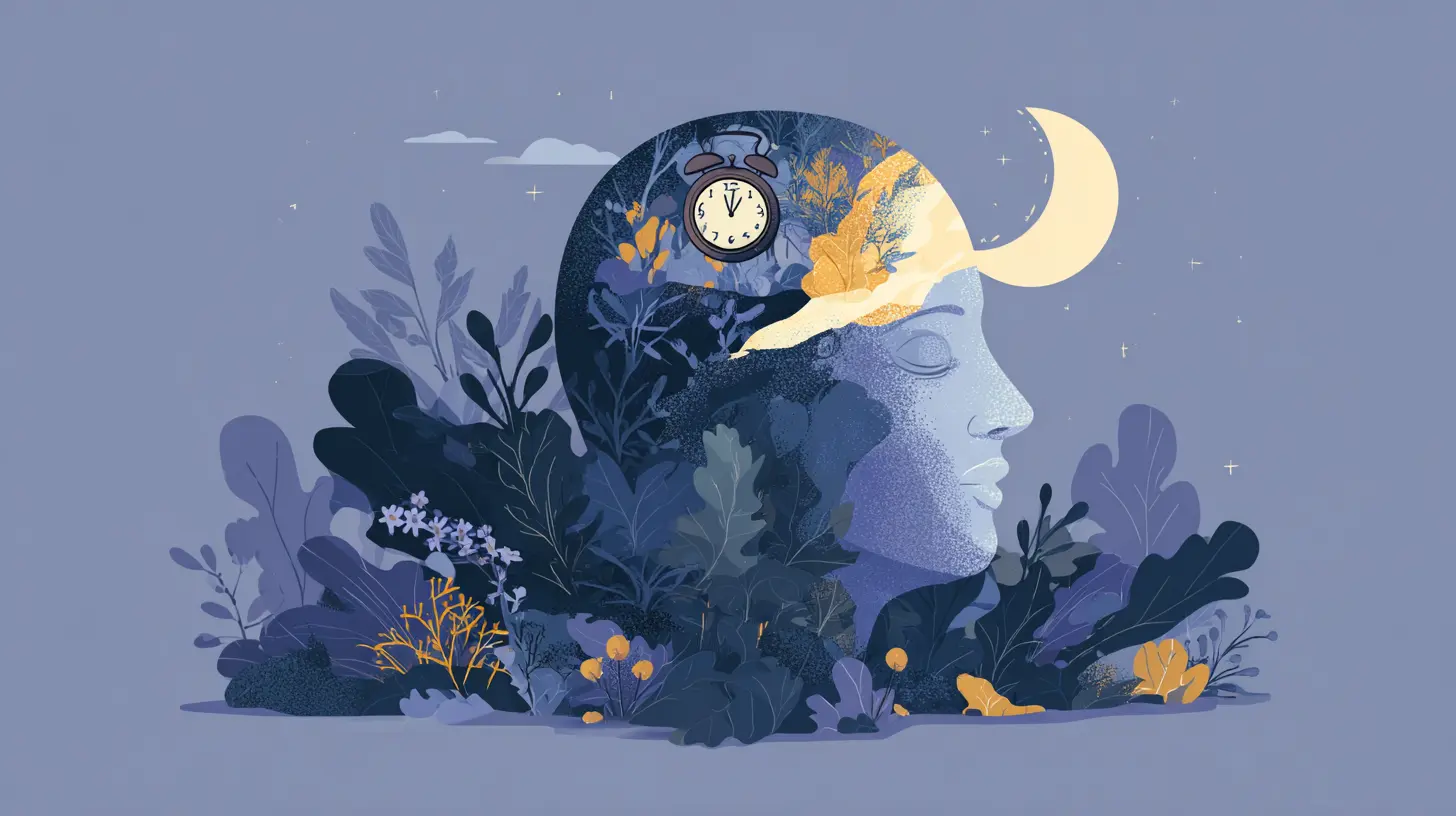
The Biological Foundation: Why Sleep Is Not Optional
To understand why sleep matters for mental health, you have to look at what happens inside the brain during the night. Sleep is divided into two broad phases: non-rapid eye movement (NREM) and rapid eye movement (REM). These phases cycle throughout the night, roughly every 90 minutes. Each phase serves a distinct purpose, and both are essential for emotional and cognitive function.During deep NREM sleep, particularly slow-wave sleep, the brain clears out metabolic waste. This includes beta-amyloid, a protein linked to Alzheimer's disease, but also other byproducts of neural activity. Think of it as a nightly janitorial service. Without that cleaning, the brain becomes sluggish, and cognitive functions like attention and memory start to degrade.
REM sleep, on the other hand, is when the brain processes emotions. During REM, the amygdala, the brain's emotional alarm system, is highly active. But it is disconnected from the parts of the brain that generate stress hormones. This allows you to revisit emotional experiences in a safe, low-anxiety state. The brain essentially replays the day's events, strips away the emotional charge, and files the memory in a more rational context. That is why you often feel better about a stressful situation after a good night's sleep. You have literally processed the emotion at a neural level.
When you are sleep-deprived, this process fails. The amygdala becomes hyperactive, and its connection to the prefrontal cortex, which helps regulate emotions, weakens. The result is an exaggerated emotional response. Small annoyances feel like major crises. You are more likely to interpret neutral facial expressions as threatening. You are more prone to irritability and impulsive reactions. This is not a personality flaw. It is a biological consequence of an unprocessed emotional backlog.
The Direct Link Between Sleep and Mental Health Disorders
The connection between sleep and mental health is not just about feeling cranky. It is deeply intertwined with the onset and severity of clinical conditions.Depression and Sleep
The relationship between depression and sleep is a classic chicken-and- problem. Insomnia is a common symptom of depression, but it is also a risk factor for developing depression in the first place. People who suffer from chronic insomnia are significantly more likely to experience a major depressive episode. The reason is twofold. First, poor sleep disrupts the balance of neurotransmitters like serotonin and dopamine, which are directly involved in mood regulation. Second, sleep deprivation impairs the brain's ability to use positive experiences to counterbalance negative ones. When you are tired, you remember the criticism more vividly than the praise, and you are less likely to seek out rewarding activities.Conversely, hypersomnia, sleeping too much, is also linked to depression, particularly atypical depression. This is a crucial point. Sleep problems in mental health are not one-directional. Some people cannot sleep, while others cannot get out of bed. Both are signs that the sleep-wake regulation system is out of sync with the emotional state.
Anxiety and Sleep
Anxiety and sleep have a particularly vicious cycle. Anxiety keeps you alert, and that alertness prevents sleep onset. But the reverse is also true. Sleep deprivation increases activity in the amygdala and the insula, regions associated with worry and threat detection. A tired brain is a fearful brain. It overestimates risks and underestimates your ability to cope. This is why anxiety symptoms often peak at night, when there are no distractions and the brain is already exhausted.What is often missed is that sleep deprivation does not just worsen anxiety symptoms. It can create anxiety where none existed before. A person who is chronically sleep-restricted may start to experience panic-like symptoms, racing thoughts, and physical tension simply because the brain's regulatory systems are overwhelmed. Treating the sleep problem often resolves a significant portion of the anxiety symptoms, even without targeted therapy.
Bipolar Disorder and Sleep
For bipolar disorder, sleep is not just a symptom. It is a switch. Sleep loss is one of the most reliable triggers for a manic episode. A single night of total sleep deprivation can precipitate mania in someone with bipolar disorder. Conversely, regularizing sleep is a cornerstone of bipolar maintenance treatment. Many clinicians now view sleep stabilization as just as important as mood stabilizers. The reason is that sleep regulates circadian rhythms, and those rhythms control gene expression in the brain. When the rhythm is disrupted, the whole system destabilizes.
The Cognitive Cost: How Sleep Shapes Your Thoughts
Mental wellbeing is not only about mood. It is also about how clearly you think. Sleep deprivation impairs cognitive function in ways that mimic mild intoxication. Reaction times slow, working memory shrinks, and problem-solving abilities decline. But the most insidious effect is on what psychologists call cognitive flexibility.Cognitive flexibility is the ability to switch between different concepts and adapt to new information. It is what allows you to see a problem from a different angle or to come up with a creative solution. When you are well-rested, your brain can make broad connections between distant ideas. When you are tired, you get stuck in rigid thought patterns. This is why people who are sleep-deprived tend to ruminate. They repeat the same negative thought over and over because they cannot generate alternative perspectives.
This has practical consequences. A manager who is operating on five hours of sleep is not just grumpy. They are less likely to consider a team member's alternative proposal. A student who is sleep-deprived is not just distracted. They are actually less capable of understanding complex concepts because the brain cannot integrate new information with existing knowledge effectively.
The Role of Chronotypes and Individual Differences
One of the biggest mistakes in sleep advice is treating everyone the same. The idea that everyone should wake up at 6 AM and sleep eight hours is not supported by biology. Chronotype, your natural preference for when to sleep and wake, is largely genetic. Some people are morning larks, some are night owls, and most are somewhere in between.Forcing a night owl into a morning schedule is not just unpleasant. It is harmful. A person working against their chronotype experiences what researchers call social jetlag. This is the mismatch between your biological clock and your social schedule. Social jetlag is associated with higher rates of depression, metabolic issues, and reduced cognitive performance. The problem is that modern society is built for early risers. Schools start early, and most jobs follow a 9-to-5 pattern.
The practical takeaway is not to abandon all schedules. It is to understand your own chronotype and negotiate with your environment where possible. If you are a natural night owl, try to push your work start time later, if your job allows. If you cannot, focus on optimizing the quality of the sleep you do get. But do not shame yourself for being a night owl. Your biology is not a moral failing.
Common Mistakes and Misconceptions About Sleep
There is a lot of bad advice floating around about sleep. Correcting these misconceptions is essential for anyone serious about improving their mental health.Mistake 1: You Can Catch Up on Sleep During the Weekend
This is perhaps the most common and most damaging myth. Sleep debt is not like credit card debt that you can pay off in one lump sum. When you lose sleep, the effects on your brain are immediate and cumulative. While a weekend of extra sleep can help you feel less groggy, it does not fully reverse the cognitive and emotional deficits from the week. Worse, shifting your sleep schedule on the weekend disrupts your circadian rhythm, making it harder to fall asleep on Sunday night. This creates a cycle of Monday morning exhaustion.Mistake 2: Alcohol Helps You Sleep
Alcohol is a sedative, not a sleep aid. It may help you fall asleep faster, but it severely disrupts sleep architecture. Alcohol reduces the amount of REM sleep you get, and it increases nighttime awakenings. You may sleep for eight hours, but you wake up feeling unrefreshed because you never got the deep, restorative stages. For someone already struggling with anxiety or depression, relying on alcohol for sleep is a trap. It provides temporary relief but worsens the underlying emotional dysregulation.Mistake 3: You Need to Try Harder to Fall Asleep
Sleep is not something you can force. The harder you try to fall asleep, the more anxious you become, and the more your brain associates the bed with stress. This is the foundation of insomnia. The best approach is paradoxical: if you cannot sleep, get out of bed. Do something quiet and boring in dim light until you feel sleepy. This breaks the association between bed and wakefulness. It is counterintuitive, but it works.Mistake 4: Napping Is Always Good
Napping can be beneficial, but only under the right conditions. A short nap of 10 to 20 minutes can boost alertness and mood. But a long nap, especially after 3 PM, can interfere with nighttime sleep. It also runs the risk of falling into deep sleep, which leaves you feeling groggy. The key is to nap early and short. If you are using a nap to compensate for chronic sleep deprivation, you are treating the symptom, not the cause.
Practical Strategies for Improving Sleep and Mental Health
Knowing why sleep matters is one thing. Knowing how to improve it is another. Here are evidence-based strategies that go beyond the generic advice of "have a bedtime routine."Stabilize Your Wake Time First
Most sleep advice focuses on when you go to bed. But the more powerful anchor is when you wake up. Your circadian rhythm is primarily set by light exposure in the morning. Waking up at the same time every day, even on weekends, helps regulate your internal clock. This makes falling asleep at night easier over time. Start by picking a realistic wake time and stick to it for two weeks. The initial adjustment may be rough, but the long-term payoff is a more stable mood and energy level.Get Morning Light Exposure
Light is the strongest cue for your circadian rhythm. Exposure to bright light, especially natural sunlight, within the first hour of waking helps suppress melatonin and signals your brain that the day has started. This is not about staring at the sun. A 10 to 15 minute walk outside without sunglasses can be enough. For people in darker climates or who work night shifts, a light therapy lamp can be a useful substitute. This is a concrete action with immediate effects on alertness and later sleep quality.Manage Your Core Body Temperature
Your body temperature drops slightly in the evening to initiate sleep. You can help this process by controlling your environment. A cool room, around 65 to 68 degrees Fahrenheit, is ideal for most people. Taking a warm bath or shower about an hour before bed seems counterintuitive, but it works. The warm water raises your core temperature, and when you get out, the rapid drop mimics the natural temperature decline that triggers sleep. This is a simple, effective tool that many people overlook.Use Caffeine with Intent
Caffeine has a half-life of about five to six hours. That means if you drink a coffee at 4 PM, about half of the caffeine is still in your system at 9 or 10 PM. It may not keep you awake, but it can reduce the depth of your sleep. The solution is not necessarily to quit caffeine. It is to set a cutoff time, usually around 2 PM, and stick to it. Also, be aware that caffeine affects everyone differently. If you are a slow metabolizer, your cutoff may need to be earlier.Stop Using Screens as a Wind-Down Tool
The blue light from screens suppresses melatonin, but the bigger problem is content. Scrolling through social media or watching an intense show activates your brain. It keeps you in a state of alertness. Instead, use the last 30 minutes before bed for something monotonous. Read a physical book, listen to a podcast at low volume, do some light stretching. The goal is to lower cognitive arousal, not to entertain yourself.Consider Your Sleeping Environment as a Tool
Your bedroom should be a sleep sanctuary, but that does not mean it has to be perfect. Focus on three things: darkness, quiet, and comfort. Blackout curtains are helpful, but a simple sleep mask works just as well. For noise, a white noise machine or a fan can mask disruptive sounds. And your mattress and pillow matter more than most people think. If you wake up with back or neck pain, that is a physical stressor that will affect your mental state the next day.The Trade-Offs and Difficult Choices
Improving sleep is not always a matter of simple habits. There are trade-offs, and sometimes you have to make difficult choices.The Trade-Off Between Social Life and Sleep
Going out late with friends is enjoyable and important for social connections, which are also vital for mental health. But if you are going out every night and sacrificing sleep, you are undermining the very wellbeing that social connection is supposed to support. The key is balance. You do not have to become a hermit. But you should be selective. Choose the social events that truly matter to you and skip the ones that are merely obligatory. Your sleep is a legitimate excuse, and it should be.The Trade-Off Between Productivity and Rest
There is a cultural pressure to be productive at all times. Many people feel that sleeping is a waste of time. But this is a false economy. A well-rested person can accomplish in four focused hours what a sleep-deprived person struggles to do in eight. You are not losing time by sleeping. You are investing in your cognitive and emotional capacity for the hours you are awake.When to Consider Professional Help
If you have tried consistent sleep habits for several weeks and still struggle with falling asleep, staying asleep, or waking up unrefreshed, it is time to see a professional. This is especially true if your sleep problems are accompanied by persistent low mood, excessive worry, or changes in appetite. A doctor can rule out underlying conditions like sleep apnea, which is a serious medical issue that affects both sleep and mental health. Cognitive behavioral therapy for insomnia, or CBT-I, is a highly effective treatment that works by changing the thoughts and behaviors that perpetuate poor sleep. It is not about medication. It is about re-training your brain.
The Future of Sleep and Mental Health
The growing importance of sleep in mental health is not a passing fad. It is a paradigm shift. We are moving away from treating mental health as purely a psychological issue or purely a chemical imbalance. We are recognizing that the brain is a biological organ that requires proper maintenance. Sleep is that maintenance.There is also a growing awareness of the role of circadian rhythms in mental health. Light therapy is already used for seasonal affective disorder, but it is being explored for other conditions. There is research into how meal timing affects the internal clock. Wearable devices that track sleep are becoming more accurate, and they give people data about their own patterns. The challenge is not to obsess over the data, but to use it as a guide.
The most important shift is cultural. We need to stop glorifying sleep deprivation as a badge of honor. The executive who brags about sleeping four hours is not a hero. They are a risk to their own health and potentially to their organization. We need to normalize prioritizing sleep, not as a luxury, but as a fundamental component of a functional life.
A Final Note on Self-Compassion
If you have been struggling with sleep, do not add guilt to the pile. Guilt makes you more anxious, and anxiety makes sleep worse. Understand that your sleep patterns are influenced by your biology, your environment, and your life circumstances. It is not a simple failure of willpower.Start small. Pick one change, whether it is a consistent wake time or a caffeine cutoff, and stick to it for a week. Notice how you feel. Then build from there. The goal is not perfection. The goal is progress. Your sleep and your mental wellbeing are deeply connected, and every step you take to improve one will benefit the other. It is one of the few areas in life where the effort you put in is almost guaranteed to pay off.
all images in this post were generated using AI tools
Category:
Mental WellbeingAuthor:

Eliana Burton
Discussion
rate this article
1 comments
Icarus Middleton
This article highlights a crucial yet often overlooked aspect of mental health. Sleep not only restores physical health, but it also plays a vital role in emotional regulation and cognitive function, emphasizing its significance in overall wellbeing.
September 1, 2026 at 3:53 PM
Eliana Burton
Thank you for your insightful comment! I'm glad you found the connection between sleep and mental health compelling. It's a crucial topic that deserves more attention.