The Importance of Emotional Validation in Relationships
24 May 2026
Introduction
Ever felt like you're talking to a brick wall? You’re pouring your heart out, and instead of a reassuring nod or a comforting word, you get a dismissive shrug or, worse—silence. That, my friend, is the absence of emotional validation, and it can slowly chip away at even the strongest relationships.
We all want to be heard, understood, and appreciated. Emotional validation is the glue that holds relationships together, making people feel valued and secure. Without it, relationships can feel cold, distant, and downright frustrating.
But what exactly is emotional validation, and why is it so crucial? Let’s dive in and unravel this game-changing concept.

What Is Emotional Validation?
At its core, emotional validation is the act of recognizing, acknowledging, and accepting another person's emotions as legitimate and understandable. It doesn’t mean you have to agree with them, but you do need to let them know their feelings make sense.Think of it this way: Imagine sharing a bad day with your partner, and instead of brushing it off with, "Oh, it’s not that bad," they say, “I can see why that was stressful for you.” That simple statement can make a world of difference. Validation tells your loved one that their emotions matter.

Why Emotional Validation Matters in Relationships
1. Strengthens Emotional Bond
When people feel heard and understood, they naturally grow closer. Emotional validation nurtures intimacy by reassuring your partner that they can be open and vulnerable without fear of judgment.Without this, frustration builds. Over time, if someone feels ignored or dismissed, they may stop sharing altogether. And in relationships, silence isn't golden—it’s often a red flag.
2. Reduces Conflict and Misunderstandings
More often than not, arguments arise because one or both partners don’t feel heard. When emotions are validated, conflict loses its intensity. Instead of defensive reactions, discussions become more constructive. Imagine how much easier disagreements would be if both people felt understood!3. Boosts Emotional Security and Trust
Trust is built when people believe their emotions are safe in the relationship. Knowing that your feelings won’t be dismissed or ridiculed creates an environment where vulnerability is welcomed. And trust, once solidified, results in deeper, more meaningful connections.4. Encourages Open Communication
The more validated someone feels, the more comfortable they become in expressing themselves. A relationship where emotional expression is encouraged leads to honest, transparent, and profound conversations. On the flip side, emotional neglect can lead to resentment and distance.5. Promotes Emotional Growth
Validation not only fosters security but also helps individuals process their emotions effectively. When emotions are acknowledged instead of suppressed, people learn to navigate their feelings in a healthy manner rather than bottling them up or acting out.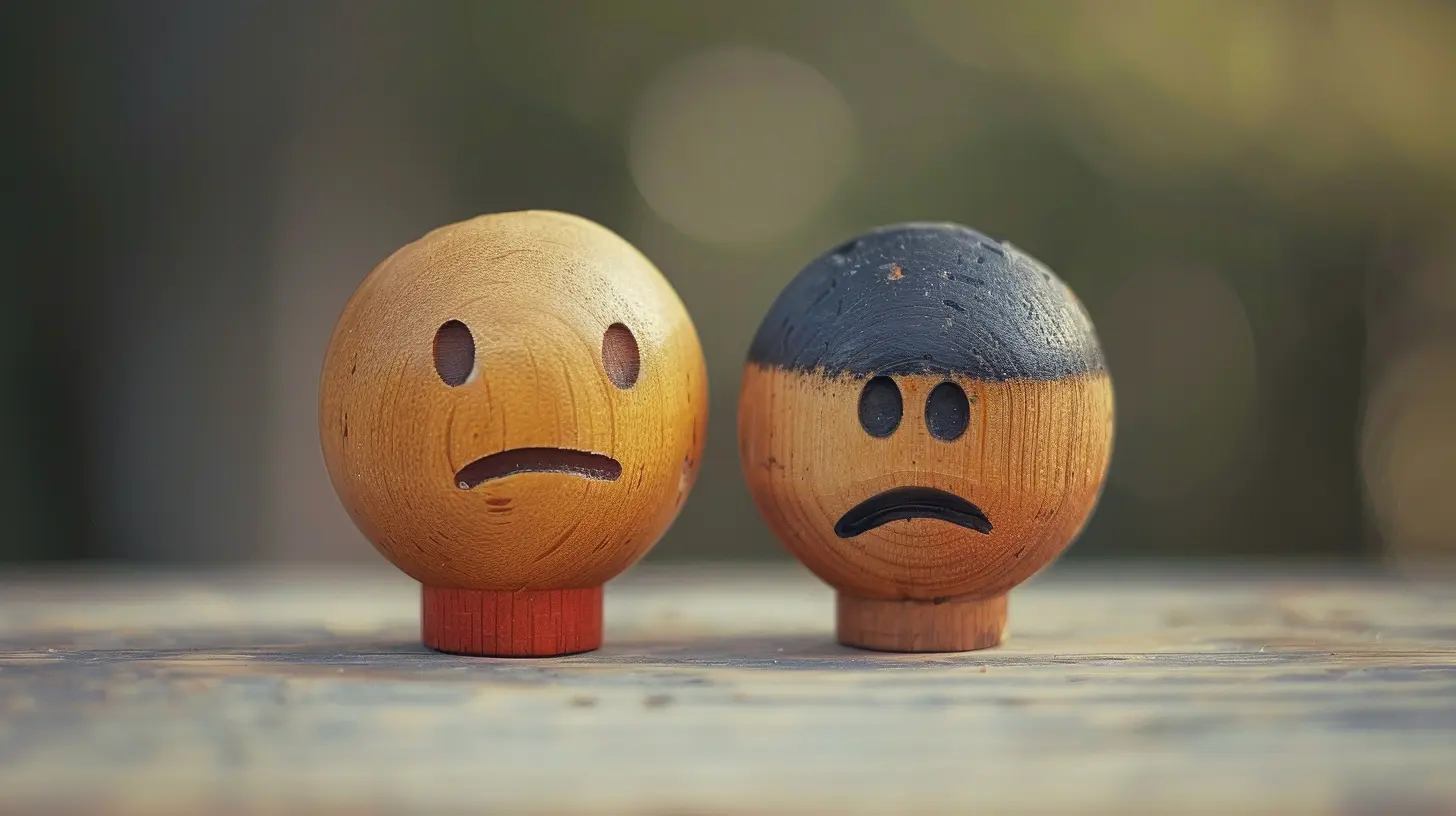
Common Mistakes That Undermine Emotional Validation
Even with good intentions, many people struggle with properly validating emotions. Here are some common mistakes to watch out for:1. Minimizing Someone’s Feelings
Saying things like, “It’s not that big of a deal” or “You’re overreacting” can make the other person feel as though their emotions are unimportant.2. Jumping to Fix the Problem
Sometimes, people just want to vent. Immediately offering solutions instead of validating their emotions can make them feel unheard. Instead of “You should just do this instead,” try “That sounds really tough. I’m here for you.”3. Invalidating with Positivity
Ever heard, “Just be positive!” when you’re feeling low? While good intentions are behind it, toxic positivity can be just as damaging as outright dismissal. People need space to process their emotions—not be forced into an artificial state of happiness.4. Comparing Their Feelings to Others
Saying “Others have it worse” doesn’t help. Sure, there’s always someone in a tougher situation, but that doesn’t make their feelings any less valid.
How to Practice Emotional Validation in Your Relationship
Being emotionally validating doesn’t mean you have to agree with everything your partner says or feels. It simply means acknowledging their emotions as real and important. Here’s how you can master it:1. Listen—Really Listen
Put the phone down. Make eye contact. Nod occasionally. Engage in active listening by focusing on their words rather than preparing your response. Genuine attention goes a long way in making someone feel valued.2. Acknowledge Their Emotions
Phrases like “I see you’re really upset about this” or “That must be really frustrating” show that you’re recognizing their feelings without judgment.3. Resist the Urge to Fix Things Immediately
Before jumping into “fix-it” mode, ask if they want advice or just need to vent. Most people appreciate emotional support before solutions.4. Show Empathy
Put yourself in their shoes. Even if their reaction seems exaggerated to you, try to see it from their perspective. Saying something like “I can understand why you feel that way” reassures them that their emotions are valid.5. Use Physical Affection When Appropriate
Sometimes, a hug speaks louder than words. Physical touch—whether it’s holding hands, a reassuring pat, or a full-on hug—can be incredibly comforting when words fall short.6. Validate Even When You Disagree
Validation doesn’t mean agreement. Saying “I can see why that upset you, even though I see it differently” allows both perspectives to exist without making the other feel dismissed.7. Encourage Expression of Feelings
Create a relationship culture where feelings are welcomed, not criticized. The more comfortable both partners feel expressing themselves, the stronger the bond will be.The Ripple Effect of Emotional Validation
The impact of emotional validation extends beyond just romantic relationships. It applies to friendships, family dynamics, and even workplace interactions.When people experience consistent emotional validation, they:
- Develop higher self-esteem
- Feel more emotionally secure
- Become better at managing their own emotions
- Strengthen their relationships with others
On the flip side, a lack of validation can lead to emotional loneliness, frustration, and disconnection. In extreme cases, repeated emotional invalidation can contribute to anxiety, depression, or even relationship breakdowns.
Final Thoughts
At the end of the day, emotional validation is like water for relationships—it nourishes, sustains, and strengthens them. The beauty of validation lies in its simplicity. It doesn’t require grand gestures—just active listening, empathy, and a conscious effort to acknowledge the emotions of those we care about.Want a stronger, deeper, and more intimate connection with your partner? Start validating their emotions today. Because when people feel seen, they flourish—and so do their relationships.
all images in this post were generated using AI tools
Category:
Emotional Well BeingAuthor:

Eliana Burton
Discussion
rate this article
1 comments
Soraya Young
Emotional validation strengthens connections and fosters understanding in relationships.
May 25, 2026 at 3:35 AM
Eliana Burton
Absolutely, emotional validation is key to deepening connections and enhancing empathy in our relationships.