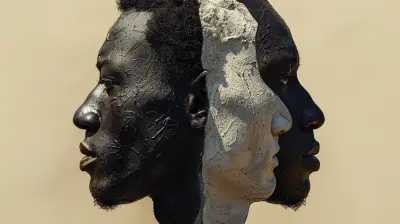
Body Image and Aging: Embracing the Changes
22 January 2026
Aging is inevitable. No matter how much we resist, time has a way of leaving its mark. Wrinkles, gray hair, and sagging skin often cause us to feel disconnected from the face staring back in the mirror. But why do we fear these natural changes? And more importantly, how can we shift our mindset to embrace this transformation instead of dreading it?
Let’s have an honest conversation about body image and aging, and why we should start seeing this journey as something to celebrate—not fear.
The Ever-Changing Perception of Beauty
Beauty standards have always been dictated by society, but they have also evolved. In one era, curves were celebrated; in another, ultra-thin figures were the ideal. What remains constant, though, is that youth is often seen as the pinnacle of beauty.Advertisements bombard us with anti-aging creams, Botox treatments, and cosmetic procedures, pushing the idea that growing older is something to fight against. But why should we view aging as an enemy? Shouldn’t we see it as a privilege instead? After all, every wrinkle tells a story.
The Psychological Impact of Aging on Body Image
Aging doesn’t just affect us physically—it takes a toll on our mental and emotional well-being too. Many people struggle with a decline in self-esteem and confidence as they notice changes in their appearance.1. The Mirror Effect
You wake up one morning, glance in the mirror, and suddenly notice a new fine line or a few gray hairs. It catches you off guard. You wonder, “Is this what getting older looks like?”This reaction is completely normal. Our self-image is deeply connected to what we see in the mirror. When that reflection starts to change, it can feel unsettling.
2. Societal Pressures
Society places immense pressure on individuals—especially women—to maintain a youthful appearance. The media glorifies smooth, flawless skin and toned bodies, rarely showcasing the beauty of aging naturally. This creates unrealistic expectations, making many people feel they need to "fix" themselves to remain attractive.3. Comparing Ourselves to Our Younger Selves
One of the biggest traps we fall into is comparing our current selves to how we looked in our 20s or 30s. But isn’t that unfair? We wouldn’t expect a tree to remain a sapling forever, so why put such unrealistic expectations on ourselves?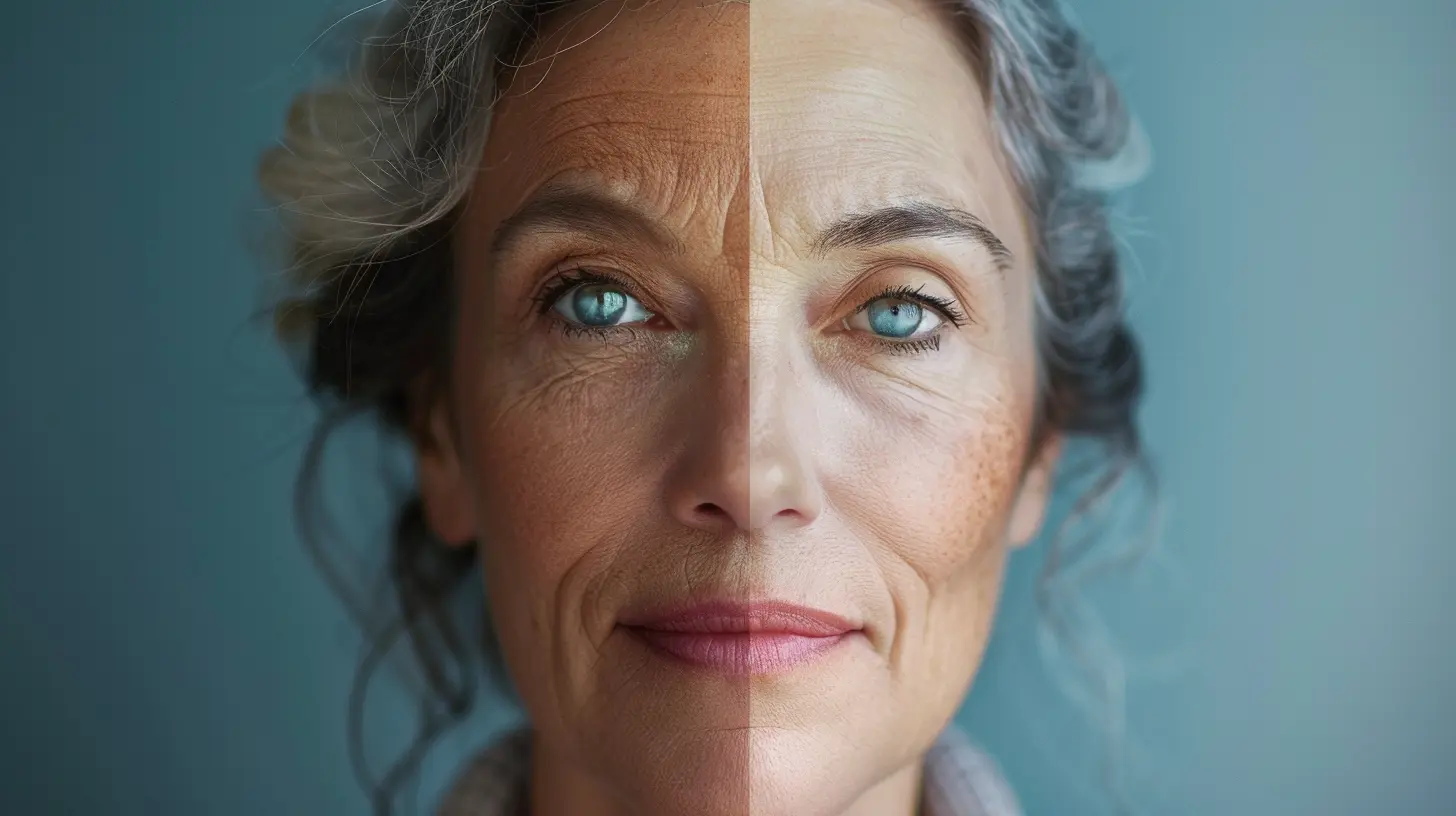
Shifting Our Mindset: Embracing the Changes
Aging is not something to fear—it’s something to accept and embrace. But how can we reframe our thoughts and cultivate a positive body image as we grow older?1. Rewriting the Narrative
Instead of seeing wrinkles as a sign of aging, see them as proof that you’ve lived. They are the evidence of laughter, experiences, and wisdom gained over the years.Changing how we talk about aging can have an enormous impact. Instead of saying, “I’m getting old,” try, “I’m growing into the person I was always meant to be.”
2. Prioritizing Self-Care Over Anti-Aging
Rather than focusing on anti-aging routines, focus on self-care. Nourish your body. Drink enough water, eat wholesome foods, and engage in activities that bring happiness. A well-cared-for body will always look beautiful—regardless of age.3. Surrounding Yourself with Positive Influences
Curate your social media feed and real-life interactions with people who celebrate aging instead of fearing it. Follow individuals who embrace their natural beauty and exude confidence regardless of their age.4. Letting Go of Perfectionism
Perfection is an illusion. No one is flawless—not even the celebrities we admire (despite what airbrushed images might lead us to believe). Accepting our imperfections makes us more human, more relatable.5. Dressing for Confidence, Not Age
One common misconception is that after a certain age, you should dress a certain way. But why put limitations on your personal style? Wear what makes you feel good. Confidence is the best outfit—at any age.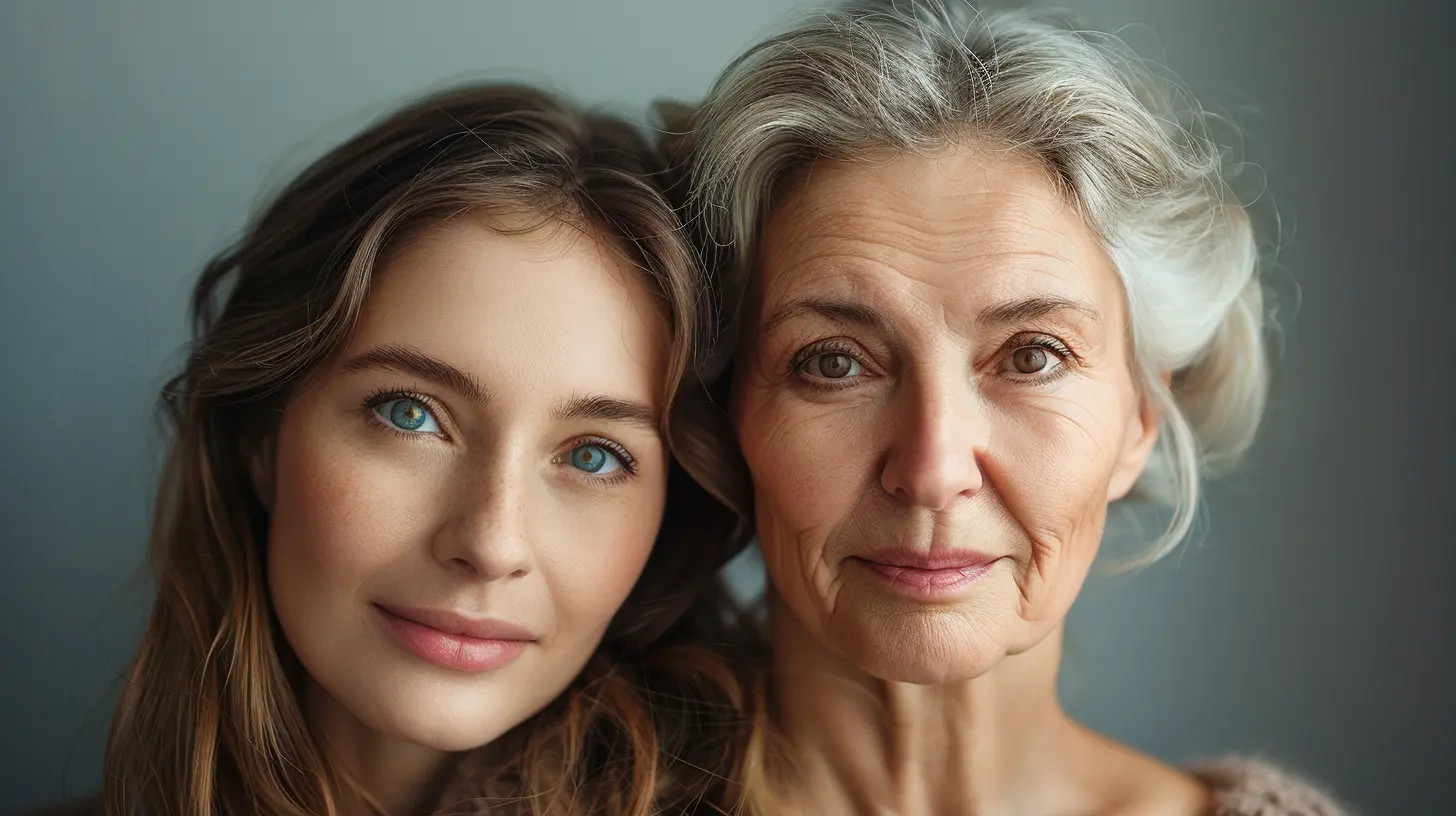
The Beauty of Aging Gracefully
Aging gracefully doesn’t mean giving up on taking care of yourself—it means embracing who you are at every stage of life. It means living fully, loving yourself unconditionally, and not allowing wrinkles or gray hair to define your worth.Think of aging like a fine wine. Over time, it becomes richer, more complex, and deeply valued. Would you prefer a beautiful but immature wine, or one that has developed layers of flavor and character?
Final Thoughts
Your body tells the story of your life. Every wrinkle, stretch mark, and gray strand is a reminder of the experiences that shaped you. Instead of fearing aging, let’s celebrate it. Let’s wear our signs of time with pride, knowing that they represent a life well-lived.Aging isn’t losing beauty—it’s transforming into a different kind of beauty. And that’s something we should all embrace.
all images in this post were generated using AI tools
Category:
Body ImageAuthor:

Eliana Burton
Discussion
rate this article
2 comments
Zachary Roberts
Great insights! Embracing aging fosters self-acceptance and body positivity.
February 28, 2026 at 5:53 AM
Eliana Burton
Thank you! Embracing aging truly empowers us to celebrate our bodies and cultivate self-acceptance.
Anika Lawson
This article beautifully highlights the importance of embracing body image changes with aging. It encourages a positive mindset, reminding us that self-acceptance and appreciation for our evolving bodies foster both mental well-being and a richer life experience.
January 23, 2026 at 3:35 AM
Eliana Burton
Thank you for your thoughtful comment! I'm glad the article resonates with you and emphasizes the importance of self-acceptance and positivity in the aging process.