The Benefits of Mindfulness for Children with Emotional Disorders
26 July 2026
Let’s face it—life is tough, and it doesn’t get any easier just because you're a kid. In fact, for children dealing with emotional disorders, it can feel like they’re constantly walking a tightrope in a storm. Anxiety, depression, ADHD, and other emotional struggles can make everyday life feel like climbing a mountain with no end in sight. But here’s the good news: mindfulness is emerging as a powerful tool to help these young warriors find calm, clarity, and control.
In this article, we’re digging deep into the science, the magic, and the real-life benefits of mindfulness for children with emotional disorders. Grab a cup of tea, get comfy, and let’s talk about how a little bit of stillness can make a world of difference.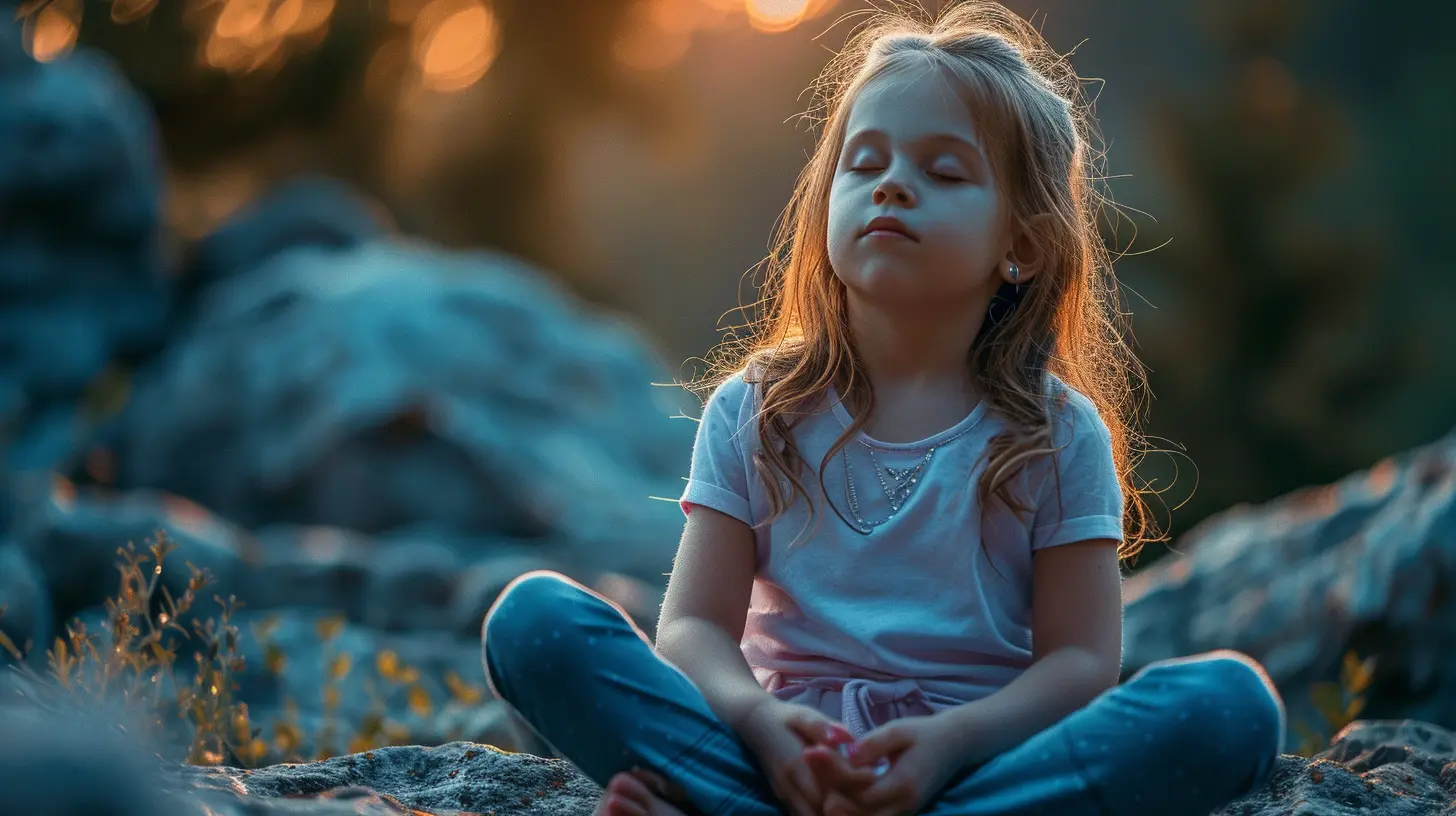
What is Mindfulness Anyway?
Before we dive headfirst into the benefits, let’s break down what mindfulness actually is—without the fancy jargon.Mindfulness is simply the act of paying attention to the present moment on purpose—without judgment. Think of it like this: your brain is a snow globe. When life gets hectic, it’s all shook up, and everything’s spinning. Mindfulness helps the "snow" settle so you can see clearly.
It’s not about stopping thoughts or being perfectly calm. It’s about noticing what’s happening inside and around you, accepting it, and moving through it with awareness.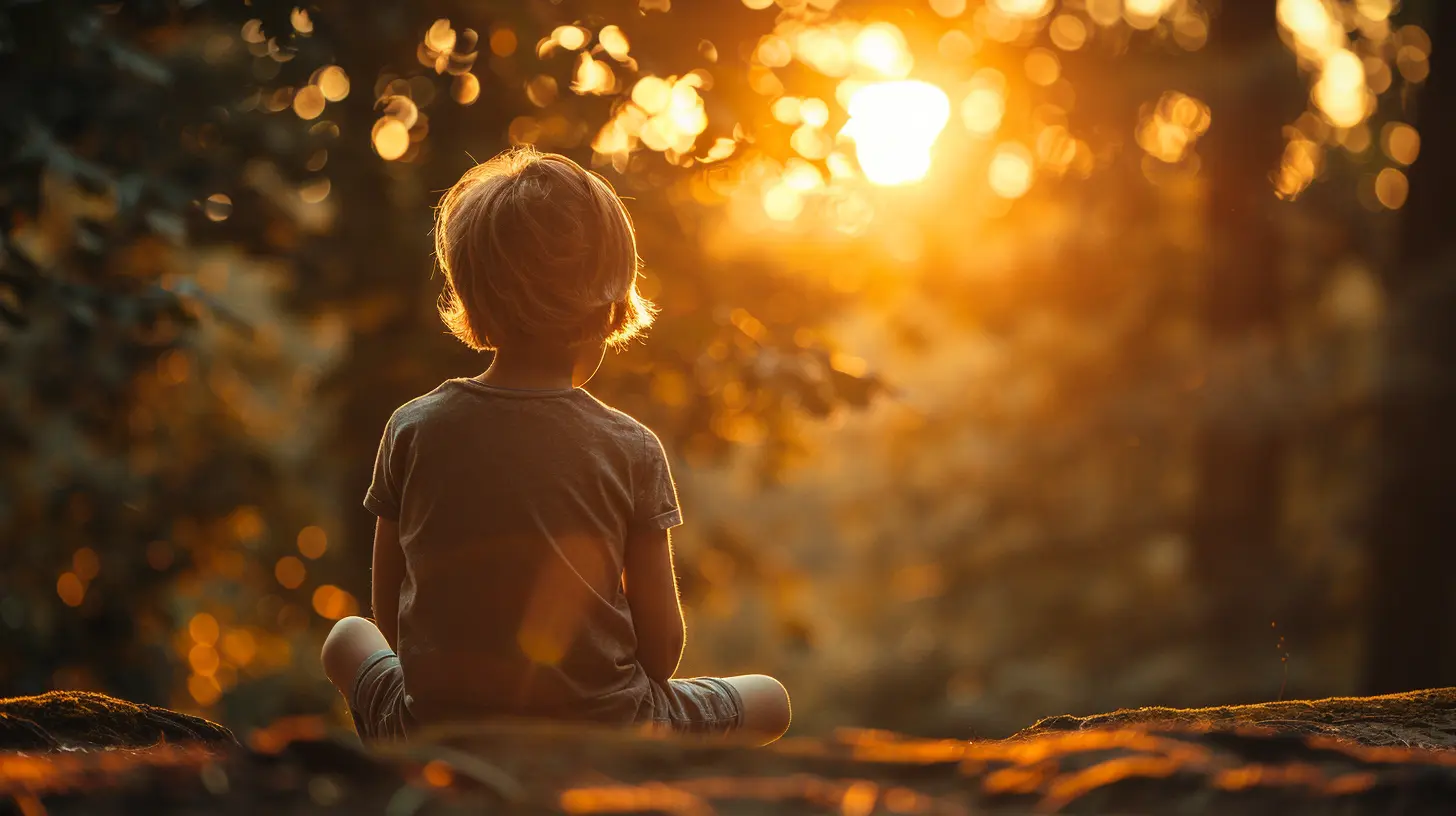
Emotional Disorders in Children: The Real Struggle
We often imagine childhood as carefree and happy, but that’s not always the case. Many children—more than we like to admit—struggle with emotional disorders. These can include:- Anxiety disorders: Constant worry, fear, and nervousness
- Depression: Persistent sadness, low energy, and lack of interest in activities
- Attention Deficit Hyperactivity Disorder (ADHD): Trouble focusing, hyperactivity, and impulsive behavior
- Mood disorders: Intense emotional ups and downs
These issues don’t just go away on their own. They can affect a child’s performance in school, their relationships, and even their physical health.
So what can mindfulness do to help?
The Superpowers of Mindfulness for Kids with Emotional Challenges
1. 🌈 Helps Regulate Emotions
Let’s be real: emotional disorders often come with BIG feelings—and I mean big. One minute a child is calm, the next they’re overwhelmed by anxiety or anger. Mindfulness teaches kids to pause, breathe, and observe their emotions without immediately reacting.Instead of being swept away by a tidal wave of emotion, they learn to surf it.
Mindfulness helps kids recognize their feelings like a traffic light system:
- Green: I'm calm and okay.
- Yellow: I’m feeling uncomfortable or antsy.
- Red: I’m upset and need a break.
This awareness builds emotional intelligence, which is key to navigating life’s rollercoaster.
2. 🧠 Improves Focus and Attention
Have you ever tried to get a child with ADHD to sit still? It's like trying to glue Jell-O to a wall. But mindfulness can actually improve a child’s attention span and focus.Through simple exercises like breathing techniques and body scans, kids practice bringing their attention back when it drifts—just like training a puppy to sit. It's gentle, repetitive, and effective.
Studies show that children who practice mindfulness even for a few minutes a day can see improvement in concentration, learning, and behavior at school. It's like giving their brain a workout without lifting a finger!
3. 😌 Reduces Anxiety and Stress
Kids with anxiety are like little pressure cookers. They’re constantly simmering inside, and it doesn’t take much for the lid to blow.Mindfulness acts as a release valve, reducing stress by encouraging calm breathing and present-moment awareness. When kids feel anxious, their nervous system goes into a fight-or-flight response. Mindfulness helps flip the switch back to rest-and-digest mode—a peaceful state where healing and growth can happen.
Even short mindfulness practices can help children feel grounded and safe, like a tree with deep roots in a storm.
4. ❤️ Builds Compassion and Social Skills
Kids with emotional disorders often struggle in social settings. They might feel misunderstood, left out, or have difficulty controlling impulses around others.Mindfulness isn’t just about looking inward. It also teaches empathy and kindness—for ourselves and others.
Loving-kindness meditations, for example, allow kids to silently repeat phrases like “May I be happy. May I be safe. May others be happy and safe.” This simple practice can open hearts and boost social-emotional connections.
The result? Kids become more patient, forgiving, and better able to handle conflicts in a healthy way.
5. 💪 Boosts Resilience and Self-Esteem
When children feel like they’re "different" or "broken" because of their emotional challenges, it can shatter their confidence.Mindfulness helps reframe that mindset. Instead of labeling themselves by their emotions ("I am anxious"), they learn to see feelings as temporary experiences ("I feel anxious right now").
That small shift is incredibly empowering.
Children begin to understand that they are not their disorder. They are strong, capable individuals who have the tools to manage their mental and emotional world. This builds resilience—the ability to bounce back, even when life knocks you down.
How to Introduce Mindfulness to Kids (Without Making It Weird)
Okay, so we’re sold on the benefits. But how do we actually bring mindfulness into a child’s life without it feeling like another chore—or worse, some kind of punishment?1. Start Small (Like, Really Small)
We’re talking 30 seconds to 2 minutes. Kids don’t need hour-long meditation sessions. A short breathing exercise like “Smell the flower, blow out the candle” can work wonders.2. Make It Fun
Use games, stories, and visuals to keep mindfulness engaging. Apps like "Smiling Mind" or "Headspace for Kids" are filled with guided meditations that speak their language.Or turn it into a game: “Let’s play the ‘Who Can Be Quietest and Stillest’ game!” They’ll never know they’re meditating.
3. Practice with Them
Kids are little mirrors. If they see you meditating or staying calm during stressful times, they’ll be more likely to follow suit. Make mindfulness a family affair. Do a breathing circle before dinner or a gratitude journal at bedtime.4. Be Consistent, Not Perfect
Mindfulness is a muscle. The more you use it, the stronger it gets. But it’s okay to miss a day (or five). Just keep coming back to it, like returning to your breath.Real-Life Success Stories
Let’s talk real talk. Many schools and therapy programs are already weaving mindfulness into their approach—and the results are impressive.One school in Baltimore reported a noticeable drop in suspensions after introducing mindfulness breaks. Another case study highlighted a child with severe anxiety learning to manage panic attacks by using deep belly breathing and mindfulness visualization.
Therapists working with kids on the autism spectrum have even seen improvements in emotional regulation when mindfulness is part of the treatment plan.
We're not just dealing with theories here—this stuff works.
Final Thoughts: Mindfulness is a Gift, Not a Cure
Mindfulness isn’t a magic pill. It won’t "fix" emotional disorders overnight. But it offers children—and those who support them—a powerful set of tools to manage emotions, deal with challenges, and cultivate inner peace.In a world that moves a mile a minute, mindfulness invites kids to slow down, breathe, and connect with the one place that’s always safe—the present moment.
And honestly? That’s a gift we could all use a little more of.
Simple Mindfulness Exercises for Kids
Here are a few you can try today:- 5-4-3-2-1 Grounding: Look around and name 5 things you can see, 4 you can touch, 3 you hear, 2 you smell, and 1 you taste.
- Balloon Breathing: Inhale through the nose like filling a balloon in your belly. Exhale slowly through the mouth like letting the air out.
- Mindful Listening: Ring a bell or use a chime app and have your child listen until the sound completely fades.
- Gratitude Jar: Each day, write one thing you’re thankful for and put it in the jar. At the end of the week, read them together.
You’re Not Alone in This
Raising or working with a child who has emotional disorders can feel isolating. But you’re not alone. And neither are they.Mindfulness isn’t about perfection—it’s about presence. And sometimes, just showing up with love, patience, and a calm breath is more than enough.
Let’s give our kids the tools to thrive, not just survive.
all images in this post were generated using AI tools
Category:
Psychological Disorders In ChildAuthor:

Eliana Burton
Discussion
rate this article
1 comments
Harley Strickland
Mindfulness is a powerful tool for children with emotional disorders, fostering resilience and helping them manage their feelings effectively.
August 9, 2026 at 3:42 AM
Eliana Burton
Absolutely, mindfulness can be transformative for children, providing them with essential coping skills and promoting emotional well-being.