Creative Outlets for Mental Health: Art, Writing, and More
28 February 2026
Let’s face it—life can be overwhelming. Between work obligations, relationship challenges, personal struggles, and the constant swirl of thoughts in our heads, it’s no surprise that our mental health sometimes takes a back seat. But what if there was a way to process emotions, relieve stress, and find some peace, without needing to talk it out or sit in silence for hours?
That’s where creative outlets come in.
Yep, I’m talking about picking up a paintbrush, scribbling in a journal, dancing like no one’s watching, or even singing in the shower. These aren’t just hobbies—they’re lifelines. When words fail or when everything feels too much, creativity offers a way out (or rather, a way through).
In this post, we’ll dive deep into how creative expression—through art, writing, and more—can support your mental well-being. Whether you're a seasoned creator or don’t think you have a single artistic bone in your body, there’s something here for you.
Why Creativity Matters for Mental Health
Let’s clear up one thing: You don’t have to be the next Van Gogh or Shakespeare to benefit from creativity. This isn’t about talent; it’s about expression. And that expression—raw, honest, messy—is where healing begins.Creative activities help reduce anxiety, lessen depression, and give you a safe space to process your inner world. They activate the brain's reward center, release feel-good chemicals like dopamine, and help regulate cortisol (your stress hormone). Think of it like taking your mind to the gym—except instead of lifting weights, you’re lifting emotional weight.
Still not convinced? Here’s the simple truth: When we can’t always say how we feel, creativity speaks for us.
The Healing Power of Art
Ever zoned out while doodling and suddenly felt more relaxed? That’s no coincidence.1. Painting, Drawing, Doodling
These aren’t just “arts and crafts” from grade school—they’re forms of visual self-expression. When you paint or draw, you give shape to emotions that don’t have words. This can be incredibly freeing, especially if you’ve been bottling things up.You don’t need fancy tools. A simple sketchpad and pencil can do wonders. Whether it’s abstract swirls or stick figures that express your day—every line matters.
Try this: Set a timer for 10 minutes and just draw. No rules, no expectations. Just movement and emotion on paper.
2. Coloring: Not Just for Kids
Believe it or not, adult coloring books are scientifically validated tools for reducing stress and anxiety. Coloring intricate patterns like mandalas can be meditative, grounding your thoughts and centering you in the moment.It’s like pressing pause on life’s chaos and stepping into a world of color and calm.
Writing as Therapy: Letting Thoughts Flow
Writing is a direct line from the mind to the page. It gives your thoughts structure and your emotions a voice.1. Journaling for Mental Clarity
Journaling can help you “download” your thoughts. By putting pen to paper, you’re organizing the mess in your mind. This can lead to emotional clarity, problem-solving, and that sweet feeling of “getting it all out.”What’s beautiful about journaling is that no one has to read it—it’s just for you.
Tip: Start with daily prompts like:
- What emotion am I feeling today?
- What’s been weighing on me?
- What do I need right now?
2. Creative Writing & Poetry
Feel like your thoughts are too jumbled for journaling? Try poetry or short stories. They allow you to explore situations or emotions through characters or metaphors—without being too "on the nose."Ever heard someone say, “I write to figure out what I’m feeling”? That’s the magic of creative writing. It’s indirect but deeply revealing.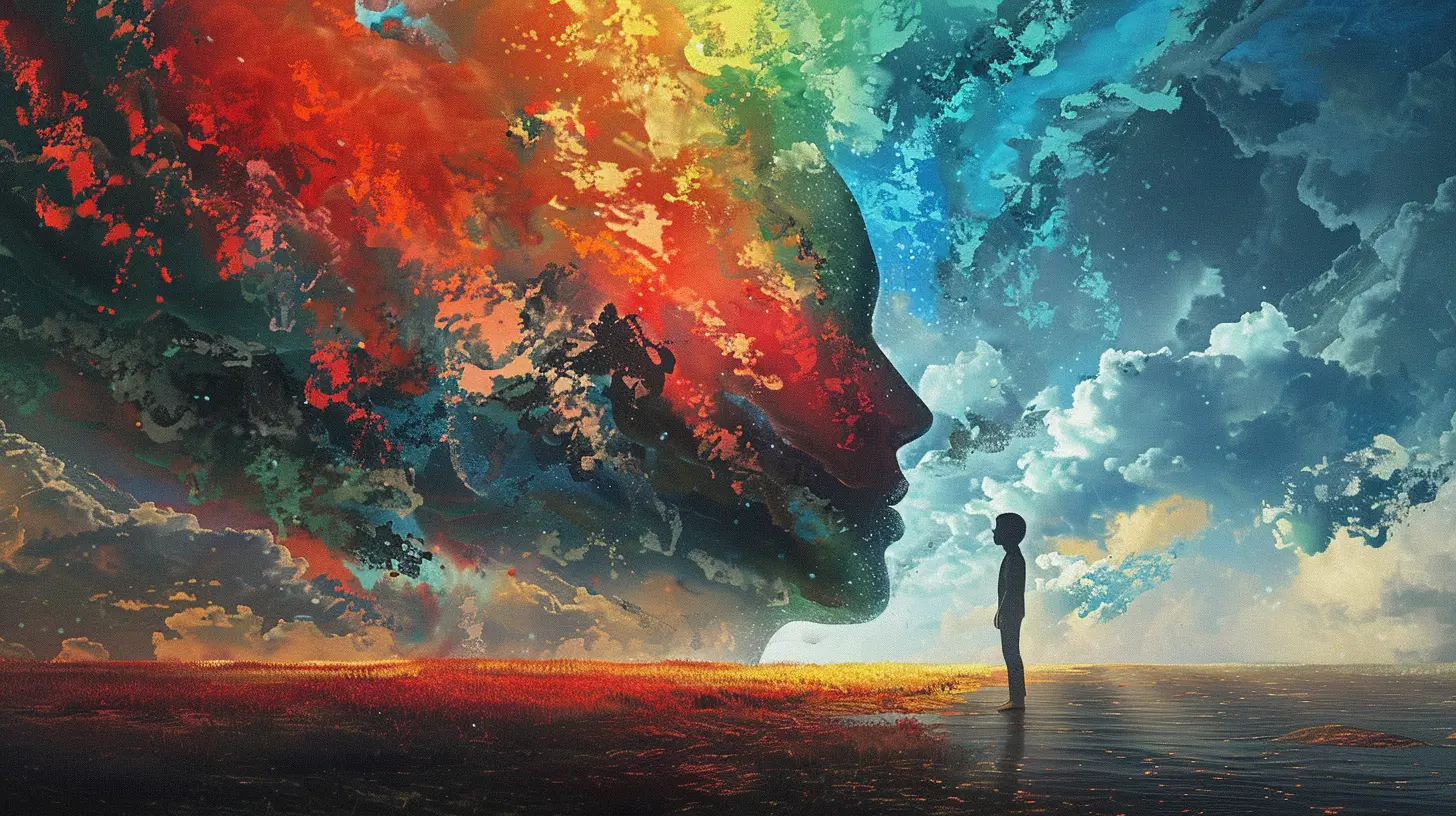
Music and Its Magical Effect
Music instantly changes the mood, right? A happy song can lift your spirits, while a soulful tune can help you grieve. That’s the emotional power of rhythm and melody.1. Listening to Heal
Curating playlists that reflect your emotions—or that help you shift them—can be incredibly therapeutic. Sometimes, listening to a sad song when you’re down feels like someone finally “gets it.”2. Creating Music
If you play an instrument, sing, or produce beats—get into it! The act of creating music can be healing in itself. It’s not about sounding good. It’s about the emotion behind the sound.No instruments? Just hum. Or tap out a beat on your desk. Sound is expression.
Movement as Expression: Dance and Physical Creativity
Let’s not underestimate the mind-body connection. When you move, you process.1. Dancing Freely
You don't need choreography. Just put on music and move however your body wants. Dance like you're shaking off every heavy thought. It’s freeing, fun, and incredibly cathartic.2. Yoga and Movement Meditation
These practices combine breath, movement, and mindfulness to ground you in the present. They’re gentle yet powerful outlets to reconnect with your body and emotions.Creative Outlets Beyond Art and Writing
Creativity shows up in so many ways beyond the usual suspects.1. Gardening
Digging your hands into soil, planting seeds, nurturing growth—it’s all symbolic of internal healing. Gardening can be meditative, calming, and deeply rewarding.2. Cooking and Baking
Ever noticed how cooking feels soothing? Especially when you're following a recipe and fully engaged? That sensory experience—chopping, stirring, tasting—is a creative act that boosts focus and brings joy.3. DIY Projects
Whether it’s decorating a space, repurposing old furniture, or crafting something by hand, DIY projects provide a sense of accomplishment and give your brain a break from overthinking.Art Therapy and Guided Creativity
If going it alone feels overwhelming, guided creativity might be a better fit.What's Art Therapy?
Art therapy is a therapeutic practice where trained professionals use creative techniques to help you process emotions. You don’t need any art skills—just a willingness to explore.It’s especially helpful for trauma survivors, children, or anyone who struggles with verbal expression.
How to Start?
Look up local art therapy centers or virtual programs. Many therapists now incorporate creative tools into their regular sessions.Common Roadblocks (And How to Smash Them)
Let’s address the elephant in the room…“But I’m Not Creative!”
That right there is a myth. Everyone is creative—you just haven’t found your outlet yet. Creativity isn't about perfection; it’s about presence and expression.“I Don’t Have Time”
You make time for what matters. Even 10 minutes of doodling, writing, or movement can shift your emotional state. Set a timer, make it a ritual—you deserve those moments.“It Feels Silly or Childish”
That’s your inner critic talking. Let your inner child have some space. They need a turn at the wheel too. What feels silly is often what’s most needed.How to Make Creative Expression a Habit
Want creativity to really support your mental health long-term? Make it a habit, not a one-time thing.- Start small – 5-10 minutes a day is enough.
- Make it convenient – Keep your sketchbook or journal visible.
- Celebrate the process – Don’t aim for masterpieces; aim for self-expression.
- Stay consistent – Habits grow with repetition, not perfection.
Final Thoughts: Creativity Is a Form of Self-Care
We often treat self-care like it’s a list: drink water, go to therapy, exercise. But creativity? It’s the soul’s version of that. It’s how we process the world, our pain, our joy. It’s how we tell our stories—even if no one ever hears them.So give yourself permission to create… not for beauty, but for healing.
Whether it’s scribbling in a notebook, molding clay with your hands, dancing in your kitchen, or belting out a tune in your car—let that creative energy out. Let it be messy. Let it be honest. Let it be you.
Because your mental health deserves every color, every word, every sound you have to give.
all images in this post were generated using AI tools
Category:
Mental Health AwarenessAuthor:

Eliana Burton
Discussion
rate this article
2 comments
Kira Morgan
Engaging in creative outlets truly enhances mental well-being; they provide essential emotional release and reflection.
March 16, 2026 at 5:28 PM
Eliana Burton
Absolutely! Creative outlets are vital for emotional expression and can significantly boost mental health. Thank you for your insightful comment!
Luella Cain
This article beautifully highlights the therapeutic benefits of creative outlets like art and writing. Engaging in these activities not only fosters self-expression but also promotes emotional healing, making them essential tools for enhancing mental well-being.
March 1, 2026 at 5:47 AM
Eliana Burton
Thank you for your thoughtful comment! I'm glad the article resonates with you and emphasizes the importance of creative outlets for mental health.