Social Anxiety in Children: How to Help Your Child Cope
12 July 2026
Imagine this: You're at a birthday party. There’s cake, balloons, laughter fills the air, yet your child clings to your leg like it’s a life raft in stormy waters. Their eyes dart around nervously, they shrink away from other kids, and the idea of playing a party game? Forget it. While other children dive into the fun, yours feels like an outsider staring through a glass wall.
This isn't shyness. This could be social anxiety.
If you’re watching your child struggle with overwhelming worry in social settings, you’re not alone. Social anxiety in children is more common than most realize—but with love, patience, and the right strategies, you can help your child build confidence and find comfort in connection.
Let’s unwrap this together.
🌱 What Is Social Anxiety in Children?
First things first—what are we dealing with here?Social anxiety in children isn’t just typical nervousness before a performance or the butterflies that come with meeting new people. It’s more intense. It’s a persistent fear of being judged, embarrassed, or rejected. And while it often shows up in social settings like school or group activities, the real struggle happens inside their minds.
Think of it like this: their brain is constantly flashing red alerts in green-light situations.
Children with social anxiety might:
- Avoid speaking in class—even when they know the answer
- Steer clear of birthday parties or group play
- Struggle to make eye contact or engage in conversation
- Complain of stomachaches or headaches in social scenarios
- Fear being the center of attention
- Appear frozen or overwhelmed in new settings
Sound familiar?
It’s not about being rude, defiant, or overly shy—it’s about feeling emotionally unsafe in social contexts.
💡 Why Do Some Kids Develop Social Anxiety?
There’s no single culprit. Social anxiety is more like a cocktail mixed from different ingredients—genetics, environment, temperament, and experiences.Here’s a closer look at some factors:
1. Biology and Genetics
If you or your partner struggle with anxiety, there's a chance your child inherited some of that wiring. Some brains are simply more sensitive to stress or social cues.2. Temperament
Was your child always the cautious, observant one? Kids who are naturally more inhibited or introverted are more prone to social anxiety. They process things deeply, and that includes worry.3. Life Experiences
Bullying, criticism, or overly high expectations can scar emotionally. A single painful incident—like being laughed at during a class presentation—can snowball into deep-seated fear.4. Parenting Style
Don’t worry—this isn’t about blame. But overprotectiveness or modeling anxious behavior can sometimes reinforce a child’s fears. Kids are emotional sponges. They pick up on everything.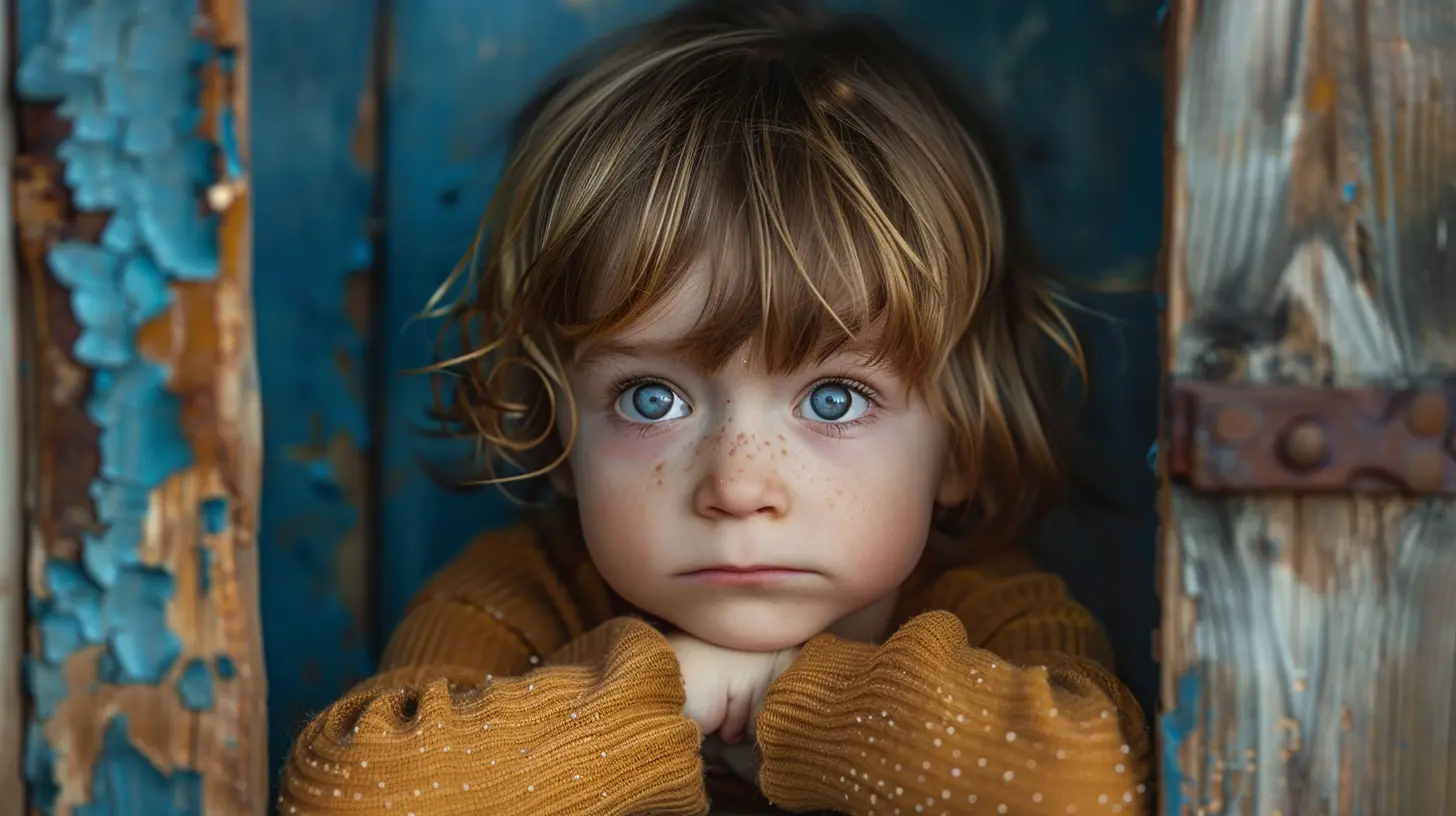
👀 Spotting the Signs Early
The tricky part? Social anxiety doesn’t always scream for attention. It whispers. It cries quietly in bathrooms before class. It withdraws during playdates. It gets mislabeled as "shy" or "quiet."Keep an eye out for:
- Fear of speaking up, even at home
- Excessive worry about school, friends, or being judged
- Reluctance to try new things if others are watching
- Frequent complaints about physical symptoms before social events
- Meltdowns or shutdowns around unfamiliar people
Early intervention is key. The sooner you spot the signs, the sooner you can help your child turn the emotional tide.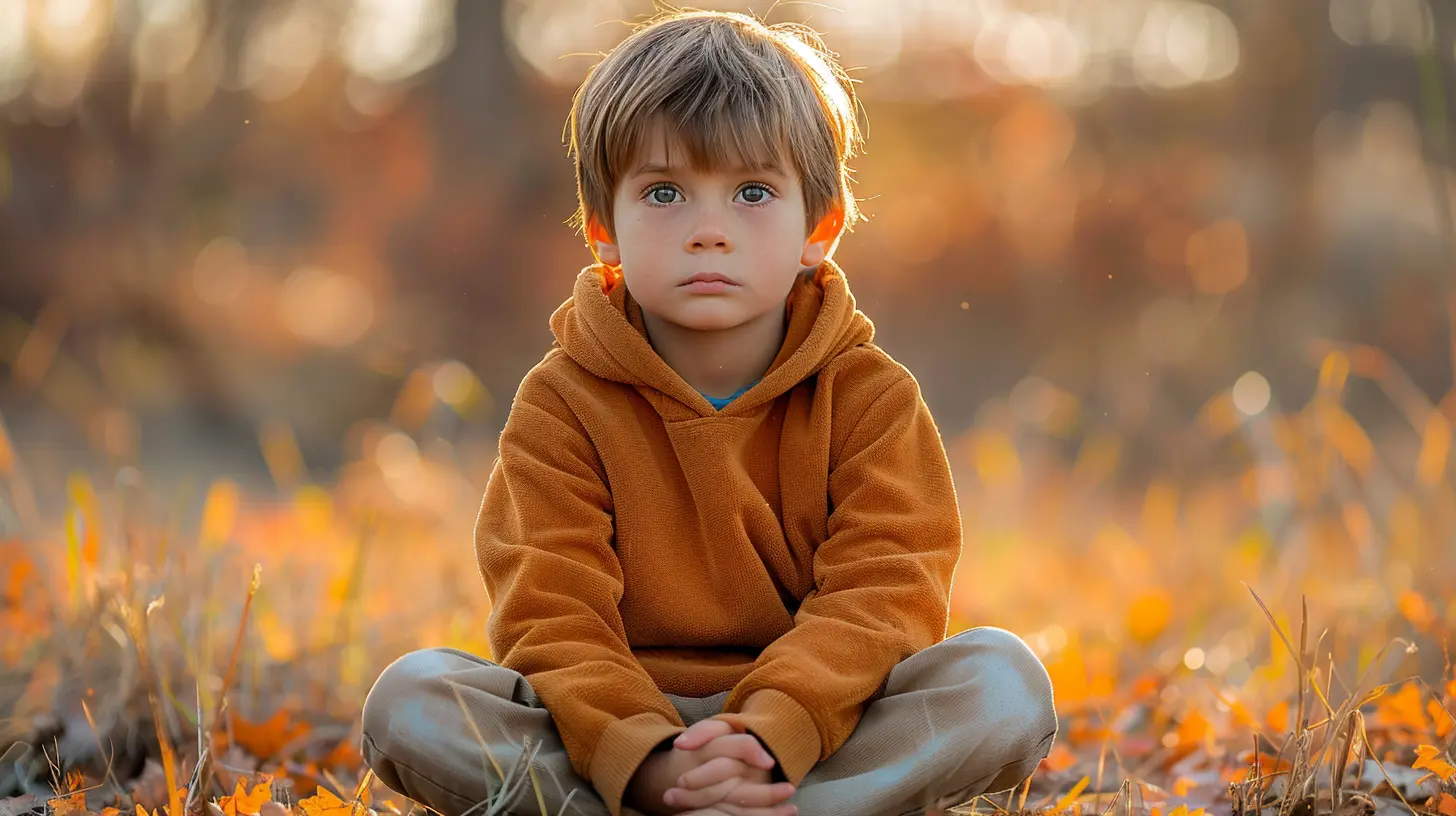
🧠 The Emotional Weight of Social Anxiety
Children with social anxiety aren’t just nervous—they feel trapped. Their minds are like overactive alarm systems, interpreting harmless situations as dangerous. Imagine walking into a room and feeling like everyone’s judging your every move. That's their normal.This constant state of hyper-awareness takes a toll:
- Lower self-esteem
- Academic underperformance
- Fewer friendships
- Increased risk of depression down the road
It’s not just their childhood that’s affected. It can echo into adolescence and adulthood if left unaddressed.
But here’s the real magic: children are resilient. Given the right support, they can unlearn fear and embrace bravery.
🛠️ How to Help Your Child Cope with Social Anxiety
Alright, let’s get to the heart of it. How can you, as a parent, gently guide your child through the fog of social anxiety?Here are practical, heart-centered strategies that make a difference.
1. Normalize Their Feelings
Start with empathy, not solutions.Say things like:
> "I know speaking in front of the class feels scary. That’s totally okay."
This signals to your child that their emotions are valid—not something to be ashamed of.
Avoid dismissive phrases like:
- “Just tough it out.”
- “There’s nothing to be scared of.”
- “Stop being so sensitive.”
Instead, give them a safe space to talk—and truly listen.
2. Model Bravery
Children watch more than they listen.Show them how to handle stressful moments calmly. Share your own experiences:
> "I used to get nervous when I had to talk to new people too. I still do sometimes, but I take a deep breath, smile, and remind myself it’s okay to be nervous."
When they see you navigating discomfort, they learn that it’s not fear that defines us, but how we move through it.
3. Role-Play Social Scenarios
Turn anxiety into a game.Practice situations like:
- Introducing themselves
- Ordering food at a restaurant
- Answering a question in class
Keep it light and playful. Use stuffed animals if that helps. Familiarity breeds comfort.
4. Encourage Small, Manageable Steps
Think baby steps, not big leaps.Start with low-pressure social settings:
- Invite one friend over instead of a group playdate
- Attend events with a clear exit plan
- Let them warm up before diving into a new activity
Celebrate every tiny win. Even saying “hi” to a neighbor is a reason to high-five.
5. Teach Coping Skills
Give your child some tools for their emotional toolbox:- Deep breathing techniques
- Positive self-talk (“I can do this,” “It’s okay to be nervous”)
- Visualization (imagine a “safe place” or calming scene)
Kids love visuals. Create a “Worry Jar” where they can write down fears and “lock” them away. Or use a “Bravery Chart” to track progress with stickers.
6. Avoid Avoidance
This one's tough but crucial.Avoiding anxiety triggers may seem kind, but it feeds the fear. Each time your child avoids a social situation, it reinforces the idea that danger was avoided—when there was none.
Instead, gently encourage participation with support. Avoid forcing, but don’t coddle.
Example:
> “I know it’s hard, but let’s try staying for 10 minutes at the party. If it still feels too much, we can go.”
Nine times out of ten, they’ll surprise you.
7. Speak with a Mental Health Professional
If social anxiety significantly affects your child’s daily life or is worsening over time, it’s wise to consult a child therapist or psychologist. Cognitive Behavioral Therapy (CBT) has proven particularly effective.There’s no shame in seeking help—it’s a sign of strength.
🌈 Helping Them Blossom with Confidence
The journey isn’t always smooth. Some days will feel like three steps forward, two steps back. That’s okay. Healing rarely happens in a straight line.But with your steady support, your child can learn to:
- Trust themselves
- Face new situations with courage
- Build meaningful friendships
- Speak up and share their light with the world
Imagine your child standing up in class one day, heart pounding, voice trembling—but speaking anyway. That’s bravery. And every bit of support you’ve given will shine in that moment.
👪 What You Can Do Today
Let’s wrap it all up with some simple, doable steps you can take right now:- Talk to your child about what they’re feeling
- Normalize the anxiety—name it, don’t shame it
- Role-play and rehearse social situations
- Encourage, don’t pressure
- Celebrate effort, not just success
- Seek professional guidance if needed
Most of all? Love them through it all. Just knowing someone’s in their corner can change everything.
🌟 Final Thoughts
Social anxiety in children might be loud in its silence. But it doesn’t have to be a life sentence—just a chapter, a moment, a challenge to rise above.As a parent, you are your child’s anchor in stormy seas, their mirror for self-worth, their guide into the world. With your gentle guidance, they’ll learn not just to manage their anxiety—but to outgrow it, step by steady step.
And one day, they won’t just survive the party—they’ll dance at the center of it.
all images in this post were generated using AI tools
Category:
Psychological Disorders In ChildAuthor:

Eliana Burton
Discussion
rate this article
1 comments
Gavin Bass
This article offers valuable insights for parents navigating their child's social anxiety. The practical tips and strategies provided can make a significant difference in helping children feel more comfortable in social situations.
July 17, 2026 at 3:30 PM
Eliana Burton
Thank you for your feedback! I'm glad the tips resonated and can help parents support their children.