Neurogenesis: How Our Brains Grow New Neurons
10 December 2025
Ever wondered if your brain is capable of growing new neurons? It’s a fascinating concept, right? For the longest time, scientists believed that once we reached a certain age, the brain stopped producing new neurons. We thought we were stuck with what we had, and that any damage was permanent. But here’s the exciting part – recent research has turned that idea upside down! Our brains can, in fact, grow new neurons through a process called neurogenesis.
In this article, we’ll dive deep into the world of neurogenesis, understanding how it happens, why it’s important, and what we can do to boost it. So, buckle up! Your brain is about to get a major workout.
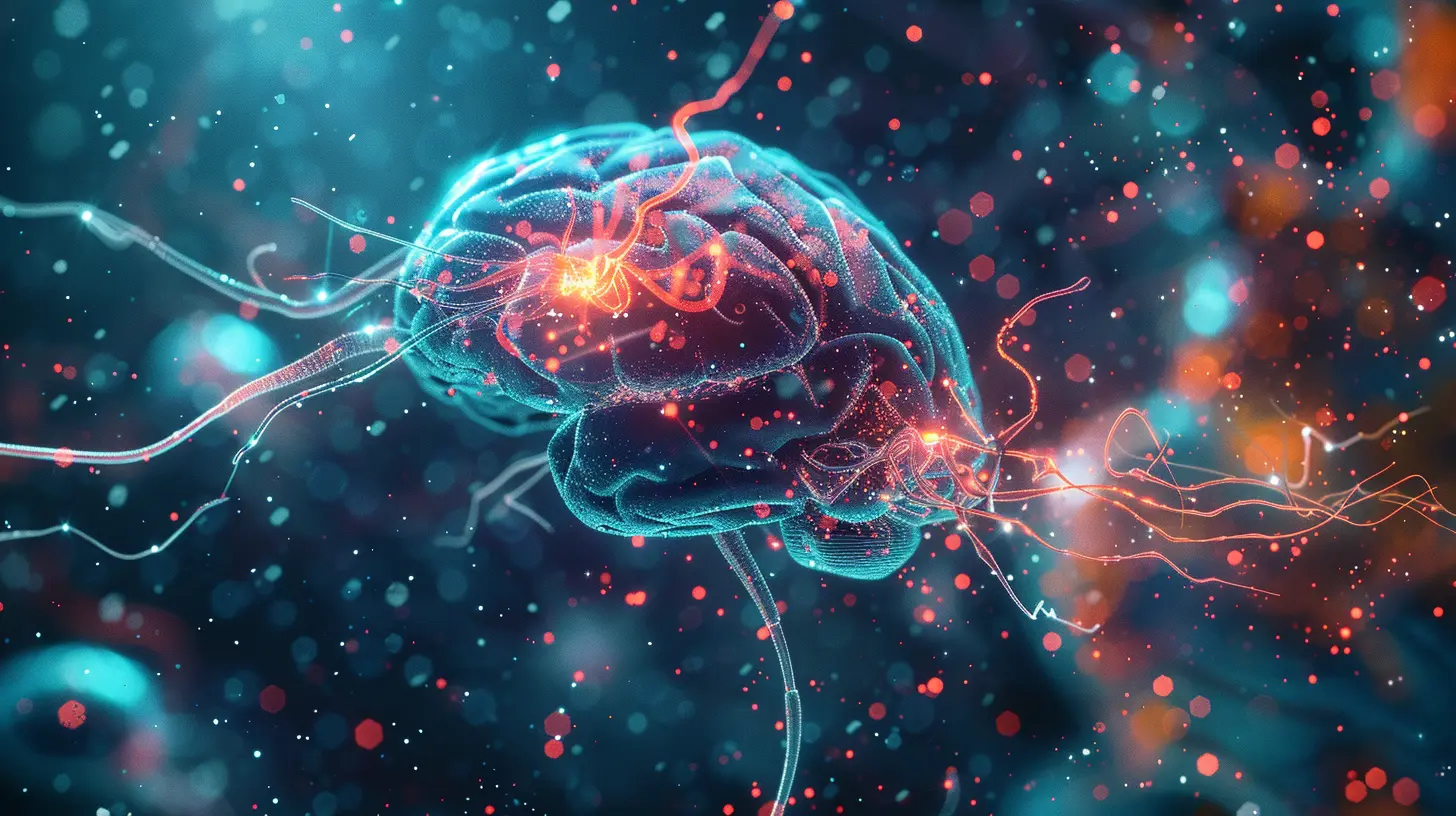
What is Neurogenesis?
Let’s start with the basics. Neurogenesis is the process by which new neurons, or nerve cells, are generated in the brain. These neurons are the primary working units of the brain, responsible for transmitting information and processing thoughts, memories, and emotions. Think of them as the building blocks of your mental world.For a long time, it was believed that neurogenesis only occurred during prenatal development. In other words, once your brain reached adulthood, it was no longer capable of producing new neurons. But thanks to modern research, we now know that neurogenesis continues throughout adulthood, albeit at a slower pace.
The most remarkable discovery? Neurogenesis happens primarily in a region of the brain called the hippocampus – the area responsible for learning, memory, and emotional regulation. Sounds important, right?
How Does Neurogenesis Work?
Now that we know what neurogenesis is, let’s talk about how it happens. Neurogenesis isn’t some magical process that happens overnight. It’s a complex, multi-step procedure that involves several stages:1. Proliferation: This is the first stage where neural stem cells (the raw material for neurons) divide and multiply. These stem cells are like blank slates with the potential to become any type of cell, including neurons.
2. Differentiation: Once these stem cells have multiplied, they begin to specialize. Some of them will turn into neurons, while others may become other types of brain cells, such as glial cells, which support neuron function.
3. Migration: After the cells have differentiated, they need to move to the right place. Neurons, in particular, will migrate to areas of the brain where they are needed, mainly the hippocampus.
4. Integration: Finally, the new neurons need to integrate into the existing neural network. This means they’ll form connections (synapses) with other neurons and start transmitting signals, becoming fully functioning members of the brain’s communication system.
It’s a bit like building a house – you need the raw materials (stem cells), the blueprint (differentiation), and the workers to put everything together (migration and integration). Once everything is in place, you’ve got a brand-new neuron ready to go!
Why Is Neurogenesis Important?
So, why should you care about neurogenesis? For starters, new neurons play a critical role in keeping your brain healthy and functioning properly. Let’s break down a few reasons why neurogenesis is so essential:1. Memory and Learning
Remember how we said neurogenesis primarily occurs in the hippocampus? Well, this region is crucial for memory and learning. As we age, the ability to produce new neurons in the hippocampus declines, which can lead to memory problems and cognitive decline. Studies have shown that increasing neurogenesis can improve memory and learning abilities, making it easier to retain new information.2. Emotional Regulation
Ever feel like your emotions are all over the place? That’s partly due to the hippocampus, which plays a role in regulating mood and emotions. Research has found that reduced neurogenesis in the hippocampus is linked to depression and anxiety. By promoting neurogenesis, you might be able to improve your mood and reduce symptoms of mental health disorders.3. Brain Plasticity
Neurogenesis is also a key player in neuroplasticity, which refers to the brain’s ability to reorganize itself by forming new neural connections. This is crucial for adapting to new experiences, learning new skills, and recovering from brain injuries. In other words, neurogenesis helps keep your brain flexible and adaptable, no matter your age.4. Cognitive Resilience
Studies suggest that individuals with higher rates of neurogenesis may be more resilient to cognitive decline and neurodegenerative diseases, such as Alzheimer’s. New neurons help to maintain the brain's structural integrity and improve cognitive reserve, serving as a buffer against age-related brain changes.
What Affects Neurogenesis?
Now that we know how important neurogenesis is, the next logical question is: Can we influence it? The answer is a resounding yes! There are several factors that can either boost or inhibit neurogenesis. Let’s break it down.Factors That Boost Neurogenesis
1. Exercise
Want a simple way to boost neurogenesis? Get moving! Physical exercise, particularly aerobic exercises like running, swimming, and cycling, has been shown to increase neurogenesis. When you exercise, your body releases growth factors such as brain-derived neurotrophic factor (BDNF), which supports the survival and growth of new neurons.Think of exercise as fertilizer for your brain. The more you move, the more you’re nourishing your neurons and encouraging the growth of new ones.
2. Learning New Things
Challenging your brain with new learning experiences can also promote neurogenesis. Whether you’re picking up a new language, learning to play a musical instrument, or mastering a new hobby, the mental stimulation encourages the creation of new neurons.It’s like giving your brain a workout. Just as lifting weights strengthens your muscles, learning new skills strengthens your brain’s ability to generate new neurons.
3. Healthy Diet
What you eat also plays a significant role in neurogenesis. A diet rich in omega-3 fatty acids (found in fish like salmon), antioxidants (found in berries and leafy greens), and flavonoids (found in dark chocolate and green tea) can help promote neurogenesis.On the flip side, a poor diet high in processed foods and sugar can inhibit the creation of new neurons. So, next time you’re deciding between a salad and a burger, think about which one will do more for your brain in the long run!
4. Adequate Sleep
Sleep is crucial for brain health and neurogenesis. During sleep, particularly during the REM phase, your brain consolidates memories, clears out toxins, and promotes the growth of new neurons. Chronic sleep deprivation can, however, impair neurogenesis, affecting memory and mood.5. Mindfulness and Meditation
Practices like mindfulness and meditation have been shown to reduce stress, which in turn can promote neurogenesis. Chronic stress is a major inhibitor of neurogenesis, particularly in the hippocampus, so finding ways to relax and de-stress is essential for brain health.Factors That Hinder Neurogenesis
1. Chronic Stress
As mentioned, chronic stress can significantly reduce the rate of neurogenesis. When your body is under stress, it releases cortisol, a hormone that can damage neurons and inhibit the production of new ones, especially in the hippocampus.2. Aging
Unfortunately, aging is one of the natural factors that slow down neurogenesis. As we get older, the rate at which new neurons are generated decreases. However, as we’ve learned, engaging in healthy habits like exercise, learning, and a good diet can help keep neurogenesis going strong even as we age.3. Substance Abuse
Drugs and alcohol can have a detrimental effect on neurogenesis. Substances like alcohol, cocaine, and opioids can kill neurons and inhibit the growth of new ones. Long-term substance abuse can lead to cognitive decline and mental health disorders.Can You Boost Neurogenesis?
The million-dollar question: Can we actively boost neurogenesis? The short answer: absolutely! While some factors like aging are beyond our control, there are plenty of things we can do to encourage the growth of new neurons. Here’s a quick summary of what works:- Exercise regularly – Aim for at least 30 minutes of aerobic activity several times a week.
- Eat a brain-healthy diet – Focus on omega-3s, antioxidants, and flavonoids.
- Keep learning – Engage your brain with new challenges and learning experiences.
- Get enough sleep – Aim for 7-9 hours of quality sleep each night.
- Reduce stress – Practice mindfulness, meditation, or other relaxation techniques.
- Avoid drugs and alcohol – These substances can damage neurons and inhibit neurogenesis.
By incorporating these habits into your daily routine, you can help promote neurogenesis and keep your brain healthy and sharp, no matter your age.
Final Thoughts
Neurogenesis is one of the brain’s most incredible abilities. It’s like having a refresh button for your brain, allowing you to grow new neurons, improve memory, and even regulate emotions. While it’s still a relatively new area of study, the research so far is promising. And the best part? You have the power to influence your brain’s ability to grow new neurons!So, whether you start by adding a few more veggies to your plate or lacing up your running shoes for a jog, know that you’re taking steps to boost your brain’s neurogenesis. Your brain will thank you for it!
all images in this post were generated using AI tools
Category:
NeuroscienceAuthor:

Eliana Burton
Discussion
rate this article
2 comments
Lincoln McGeehan
Neurogenesis is a groundbreaking area of research that highlights the brain's incredible capacity for growth and adaptation. By understanding the mechanisms behind new neuron formation, we can empower ourselves to enhance cognitive function and emotional resilience. Embrace these insights to unlock your brain’s full potential!
December 16, 2025 at 5:35 AM
Eliana Burton
Thank you for your insightful comment! Neurogenesis truly offers exciting possibilities for enhancing our cognitive and emotional well-being. Embracing this research can indeed unlock new potentials in our brains.
Mary McNulty
Thank you for this insightful article on neurogenesis! It's fascinating to learn how our brains can regenerate.
December 12, 2025 at 3:14 AM
Eliana Burton
Thank you for your kind words! I'm glad you found the article insightful. Neurogenesis truly is a fascinating aspect of brain health!