Managing Emotional Outbursts in Children with Mood Disorders
4 March 2026
Parenting is never easy, but when your child has a mood disorder, it can feel like you're walking on a tightrope every day. One moment, everything seems fine, and the next—boom—an emotional explosion takes over. These outbursts can be intense, unpredictable, and overwhelming for both the child and the parents.
But here's the thing—you're not alone in this. Many parents face the same challenges, and while there’s no magic formula to make everything instantly better, there are ways to manage these emotional storms with patience, understanding, and the right strategies.
So, let’s dive in and talk about how to handle emotional outbursts in children with mood disorders in a way that makes life easier for both of you.

Understanding Mood Disorders in Children
Before we jump into the solutions, it’s essential to understand what we’re dealing with. Mood disorders in children can manifest in various ways, including:- Bipolar disorder – Characterized by extreme mood swings, from manic highs to depressive lows.
- Disruptive mood dysregulation disorder (DMDD) – Marked by severe temper outbursts and persistent irritability.
- Depression – Often seen as sadness, hopelessness, or withdrawal from activities they once enjoyed.
Children with mood disorders don't always have full control over their emotions. What may seem like defiance or misbehavior is often their way of expressing deep emotional distress.

Why Emotional Outbursts Happen
Imagine being inside a room with no windows or doors and suddenly feeling like the walls are closing in. That’s how overwhelming emotions can feel for a child with a mood disorder.Outbursts often happen because the child:
- Feels overwhelmed by emotions they don’t fully understand.
- Struggles with impulse control and can't regulate their reactions.
- Experiences triggers like sensory overload, changes in routine, or social stress.
- Has difficulty communicating their emotions in a healthy way.
Now that we understand the "why," let’s focus on the "how"—how to manage these intense moments without feeling completely drained.
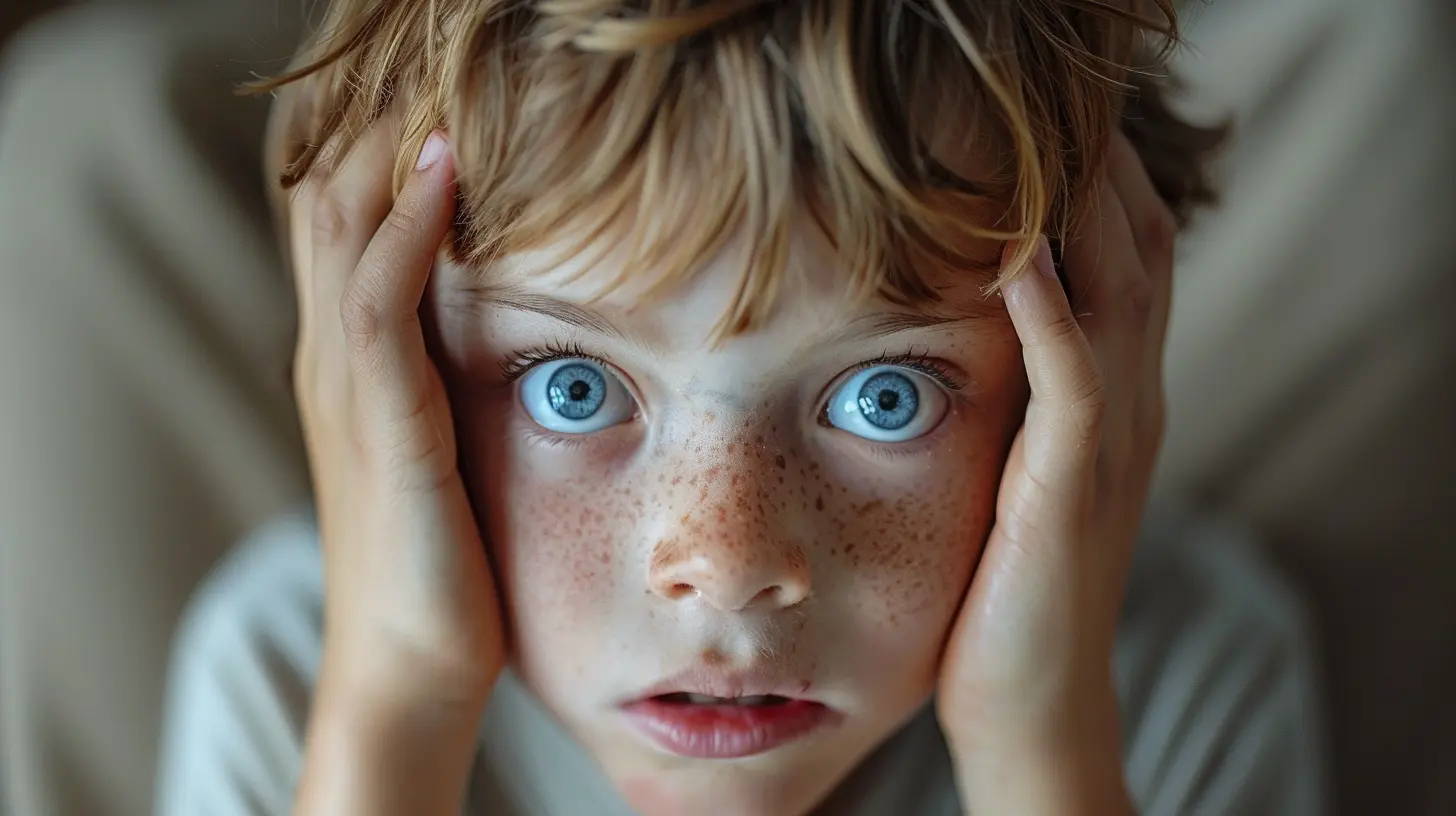
Strategies to Handle Emotional Outbursts
1. Stay Calm (Even When It Feels Impossible)
It’s natural to feel frustrated or even angry when your child is having a meltdown, but your reaction sets the tone for how the situation will unfold. If you stay calm, your child is more likely to de-escalate.Try:
- Taking deep breaths before responding.
- Speaking in a low, soothing voice.
- Reminding yourself that your child isn’t doing this to you but is struggling internally.
Think of yourself as the anchor in a storm—the steadier you are, the more likely they are to regain control.
2. Validate Their Emotions
Children with mood disorders often feel misunderstood. Instead of dismissing their feelings or telling them to "calm down," acknowledge what they’re experiencing.Say things like:
- "I see that you're really upset right now. I’m here for you."
- "I know this is really hard for you."
- "It's okay to feel angry, but let's find a way to handle it safely."
Validation doesn’t mean agreeing with their behavior—it just means you recognize their emotions as real and important.
3. Identify Triggers
Pay attention to patterns. What usually sets off an outburst? Common triggers include:- Changes in routine (switching activities, unexpected plans)
- Sensory overload (too much noise, bright lights, crowded spaces)
- Frustration (difficulty with schoolwork, feeling misunderstood)
- Hunger or exhaustion (physical needs can dramatically affect emotional regulation)
Once you identify triggers, you can work on either avoiding them or preparing your child for them.
4. Teach Emotional Regulation Skills
Children with mood disorders need tools to cope with strong emotions. Here are some strategies that can help:- Breathing exercises – Teach them to take slow, deep breaths when they feel overwhelmed.
- Counting strategies – Counting to 10 (or backward from 10) can help reset their focus.
- Safe spaces – Create a designated calm-down corner with stuffed animals, fidget toys, or a weighted blanket.
- Feelings chart – Use visuals to help them identify and communicate their emotions before they escalate.
It takes time, but the more they practice, the better they’ll get at managing emotions on their own.
5. Use Positive Reinforcement
Instead of only addressing negative behaviors, celebrate the positive ones, too! When they handle a situation well, acknowledge it.- "I noticed you took deep breaths when you got frustrated—that was amazing!"
- "You told me you needed a break instead of yelling. That’s a great choice!"
Positive reinforcement encourages them to use healthy coping mechanisms in the future.
6. Set Clear, Consistent Boundaries
While it's crucial to be empathetic, boundaries are equally important. Children with mood disorders still need structure and expectations.- Let them know which behaviors are unacceptable (e.g., hitting, screaming).
- Offer consequences that are fair and consistent.
- Use simple, clear language when setting rules.
For example, instead of saying, "Don’t throw things!" try, "We keep our hands and objects to ourselves. If you throw something, you’ll lose it for the day."
7. Seek Professional Support When Needed
Sometimes, managing emotional outbursts requires more than just home strategies. If your child is struggling despite your best efforts, it may be time to seek professional help.Options include:
- Therapy – Cognitive-behavioral therapy (CBT) helps children learn better emotional regulation and coping skills.
- Medication – In some cases, medication may be necessary to help stabilize mood swings.
- Support groups – Connecting with other parents dealing with similar challenges can offer emotional support and valuable advice.
There’s no shame in asking for help. In fact, it’s one of the strongest things you can do as a parent.

Taking Care of Yourself
Let’s not forget about you. Supporting a child with a mood disorder can be emotionally exhausting, and burnout is real.Make sure you:
- Take breaks when needed.
- Lean on trusted friends, family, or support groups.
- Prioritize self-care (even if it’s just 10 minutes of quiet time).
You can’t pour from an empty cup—taking care of yourself allows you to be the best parent you can be for your child.
Final Thoughts
Managing emotional outbursts in children with mood disorders is tough, but with patience, understanding, and the right tools, it can get better. The most important thing is to create a safe, supportive environment where your child feels heard and understood.Remember, progress doesn’t happen overnight. There will be good days and bad days, but every step toward emotional regulation is a step in the right direction. You've got this!
all images in this post were generated using AI tools
Category:
Psychological Disorders In ChildAuthor:

Eliana Burton
Discussion
rate this article
2 comments
Grace Rosales
Understanding triggers is key to effective management.
March 19, 2026 at 3:21 PM
Eliana Burton
Absolutely! Recognizing triggers allows for proactive strategies to help children manage their emotions more effectively.
Paxton Hensley
What strategies can parents use to effectively identify triggers for emotional outbursts in children?
March 4, 2026 at 3:57 AM
Eliana Burton
Parents can observe patterns in behavior, keep a mood diary, communicate openly with their child, and collaborate with educators and therapists to identify specific triggers for emotional outbursts.