Understanding the Role of the Subconscious Mind
29 April 2026
Have you ever caught yourself reacting in a certain way and wondered, "Why did I just do that?" Or maybe you’ve had a gut feeling that led you to make a decision — one that wasn’t logical, yet turned out to be exactly right. That’s your subconscious mind at work. It’s the backstage crew running the show while your conscious self stands under the spotlight.
In this article, we’re going to peel back the layers and dive deep into understanding the role of the subconscious mind. And we’re not just talking science—we’ll get real, relatable, and clear. So sit back, get comfy, and let’s unravel the mystery that is the subconscious mind.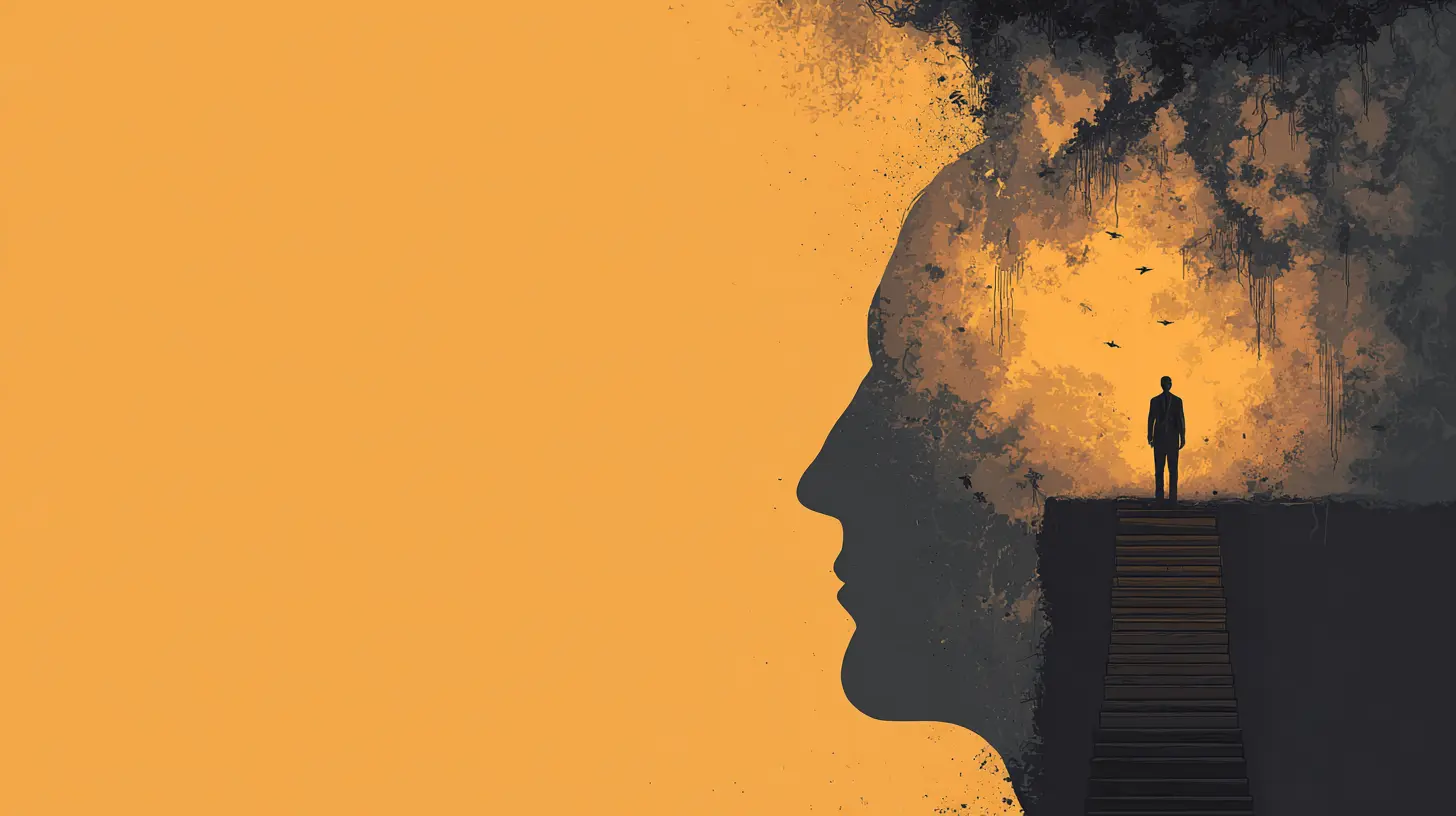
What is the Subconscious Mind?
Let’s start with the basics.Think of your mind as an iceberg. What you can see above the water is your conscious mind — the part that makes decisions, solves problems, and processes the here-and-now. But beneath the surface? That enormous, invisible mass? That’s your subconscious.
The subconscious mind is like a giant storage room that holds your beliefs, memories, habits, emotions, automatic responses — pretty much every experience you’ve had. Unlike your conscious mind, it doesn’t judge or analyze. It just stores and plays back. Kind of like a playlist that’s been running in the background for years.
The Difference Between the Conscious and Subconscious Mind
To really understand the role of the subconscious, it helps to see how it differs from your conscious mind.| Conscious Mind | Subconscious Mind |
|----------------|--------------------|
| Logical, analytical | Emotional, intuitive |
| Processes 40-50 bits of info per second | Processes 11 million bits per second |
| Short-term memory | Long-term memory |
| Voluntary actions | Involuntary habits and responses |
Your conscious mind is the goal setter. Your subconscious? The goal getter.
Let’s say you decide (consciously) to wake up at 6 AM and work out. But when that alarm rings, your subconscious (filled with cozy sleep patterns and maybe a few snooze-button habits) fights back hard. Ever been there? Exactly.
Why the Subconscious Mind Matters in Everyday Life
Okay, so it’s running the show in the background — but how does the subconscious mind actually influence your day-to-day life?1. It Shapes Your Habits
Habits are formed when you do something repeatedly until your brain no longer needs to think about it actively. Driving, brushing your teeth, biting your nails — all subconscious. The more you do it, the deeper the groove it creates in your subconscious.Bad habits? Yep, they live here too. But the good news? Since your subconscious runs on repetition, you can build better ones with a little persistence.
2. It Stores Your Beliefs and Perceptions
Your beliefs about money, love, success, failure — most of them were shaped in childhood and are now stored deep in your subconscious. You might not even realize they’re guiding your choices.Ever self-sabotaged just as things were going well? That could be a limiting belief buried in your subconscious, whispering that you’re not worthy or it’s all too good to be true.
3. It Controls Emotional Responses
Ever felt a wave of anxiety before an interview, even though you’ve prepared like a boss? That’s your subconscious reacting to past experiences — maybe a time you failed or were judged.The subconscious doesn’t work in real-time. It remembers everything as if it just happened. That’s why emotional triggers can feel so intense — the subconscious is replaying a memory, not realizing it’s no longer happening.
How the Subconscious is Formed
Your subconscious begins developing from birth, picking up impressions, messages, and experiences like a sponge. By the time you're about 7 years old, a massive chunk of your subconscious programming is already in place.Think about that. Much of how we react to adult life — relationships, money, conflict — comes from a 7-year-old’s point of view. That’s wild, right?
This early programming is influenced by:
- Parental behavior and words
- Cultural norms
- School experiences
- Early friendships
- Trauma or emotionally charged events
And it all forms the blueprint your subconscious follows.
How the Subconscious Influences Decision-Making
You might think you’re making decisions logically, but in most cases, your subconscious is steering the ship.Imagine walking into a room of strangers and instantly feeling unsafe or unwelcome. Nothing bad has happened — yet your body tenses. That’s your subconscious scanning for patterns, trying to protect you based on past experiences.
It makes snap judgments faster than your conscious mind can blink.
This is also how gut feelings work. Your subconscious picks up subtle cues, even if your conscious mind isn’t aware. Sometimes, it knows what’s best for you before you do.
Can You Reprogram the Subconscious Mind?
Here comes the exciting part — yes, absolutely.Because your subconscious doesn’t filter information logically, it's highly suggestible. That’s both good and bad. But in this case? It works in your favor.
Here are some powerful ways to reprogram the subconscious:
1. Affirmations
Repeating positive statements (like “I am confident,” “I deserve success”) daily can gradually replace negative programming. It feels weird at first, no doubt. But do it enough, and your subconscious starts to rewrite the script.2. Visualization
Your mind doesn’t always distinguish between imagination and reality. Athletes use this trick by mentally rehearsing their performances. You can too — by visualizing your goals as already accomplished, your subconscious starts aligning your behavior to match.3. Meditation
Getting quiet helps you bypass the noisy conscious mind and speak directly to the subconscious. Think of it like opening a backdoor to gently rewire your patterns.4. Hypnotherapy
Hypnotherapy works by guiding you into a deeply relaxed state, making the subconscious more open to suggestion. It’s especially helpful for deep-rooted fears, phobias, and behaviors.5. Repetition and Emotion
The subconscious learns through repetition and emotional impact. Repeat a new belief with passion often, and it starts to take root.Subconscious Mind and Mental Health
Here’s where things get real. A lot of our anxiety, depression, and stress stems from that old programming — beliefs, fears, stories we silently tell ourselves every day.Let’s say your subconscious learned early on that love is conditional. Fast forward to adulthood — now, you might find yourself in toxic relationships or struggling with self-worth. Not because you consciously choose that, but because your subconscious thinks that's "normal."
Healing often involves uncovering these deep-rooted beliefs and replacing them with healthier ones. In therapy, especially approaches like cognitive behavioral therapy (CBT) or EMDR, this is exactly what's happening — reprogramming the inner narrative.
Practical Tips to Work With Your Subconscious Daily
Want to strengthen your connection with your subconscious? Start small. Here are a few habits you can build into your routine:- Morning Affirmations: Right after you wake up, your brain is still in a theta state — perfect for planting positive seeds.
- Keep a Journal: Writing helps you uncover hidden beliefs and track your patterns.
- Practice Gratitude: Your subconscious feeds on emotion. Gratitude brings in more positive feelings.
- Mindful Reading or Listening: Choose content that elevates your mindset. Podcasts, books, YouTube videos — your subconscious is always listening.
- Sleep on It: Before bed, focus on a problem or idea, then ask your subconscious to help. You might wake up with clarity.
The Subconscious Mind in Personal Growth
Here’s the empowering truth: You don’t have to stay stuck in old, unconscious patterns. With awareness and a bit of effort, you can reshape how your mind works — and change your entire life.Success, happiness, peace — they all start from within. Not by forcing new behaviors, but by shifting the deep scripts that guide them.
Don’t think of the subconscious as a mysterious force beyond your reach. Think of it as a loyal assistant who just took instructions from the wrong boss years ago. Now? You get to promote yourself to CEO and start giving new directions.
Final Thoughts
Understanding the role of the subconscious mind isn’t just an intellectual exercise — it’s a life-changing shift. Once you grasp that you're not your thoughts, that your habits and fears are just old files on repeat, you unlock the power to rewrite your story.Yeah, it takes time and patience. But isn’t that worth it if it means finally living a life that feels aligned, authentic, and full of purpose?
So next time a self-doubt creeps in, don’t beat yourself up. Smile, take a breath, and whisper to your subconscious: “Thanks for trying to protect me. But I’ve got this now.”
You’re not starting from scratch. You’re starting from awareness. And that changes everything.
all images in this post were generated using AI tools
Category:
PsychologyAuthor:

Eliana Burton
Discussion
rate this article
2 comments
Anabella Burton
Great insights on the subconscious mind's impact on behavior.
August 4, 2026 at 4:34 AM
Eliana Burton
Thank you! I'm glad you found the insights valuable. The subconscious really does shape so much of how we act.
Jaxon McInerney
Ah, the subconscious mind: where your deepest thoughts hide, and your true snack preferences are always revealed!
April 30, 2026 at 3:46 PM
Eliana Burton
Absolutely! The subconscious is a fascinating peek into what truly drives us, even in our snack choices.