How Virtual Reality Will Change How We Connect by 2027
5 September 2026
We are standing at a strange crossroads in human interaction. For the last fifteen years, our relationships have been mediated through tiny rectangles of glass. We text instead of talk. We like instead of hug. We watch each other's lives through curated highlight reels. The result has been a paradox: we are more connected than ever in terms of raw data transfer, yet we report feeling lonelier and more isolated than previous generations did.
Virtual reality is not just another iteration of the screen. It is a fundamental break from the flat, two-dimensional world of social media. By 2027, the technology will have matured enough that it will no longer be a novelty for gamers or early adopters. It will become a primary tool for how we maintain friendships, conduct business, and even fall in love. But the change will not happen automatically. It will be messy, awkward, and sometimes uncomfortable. Understanding how it will reshape our social fabric requires looking past the marketing hype and examining the actual psychological mechanics of presence, identity, and vulnerability.
The End of the Observer Status
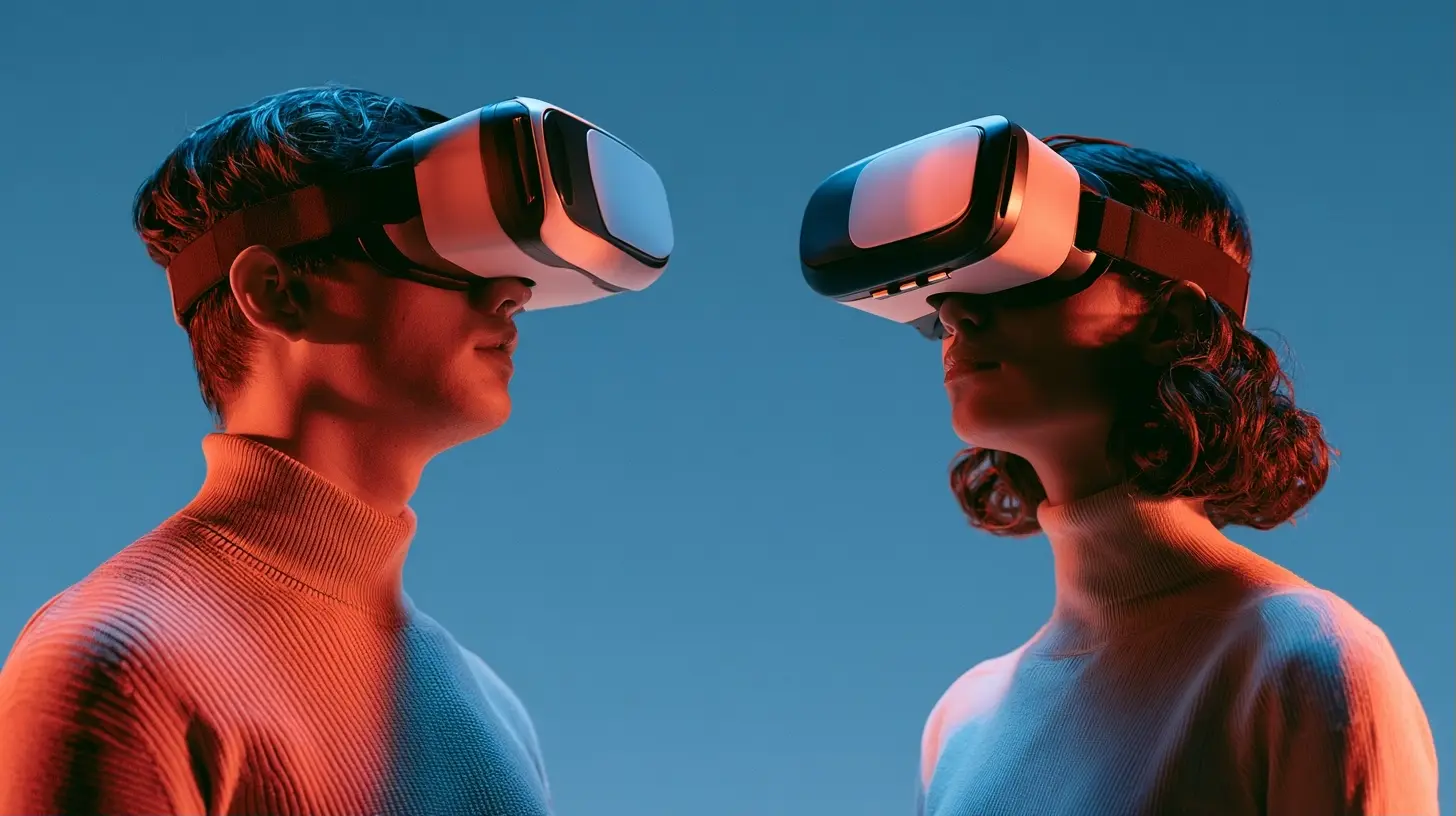
The most significant shift virtual reality introduces is the move from being an observer to being a participant. On a video call, you are always aware of the camera. You can mute yourself. You can check your email in a split screen. The person on the other end is a flattened image that cannot occupy your space. This creates what psychologists call a "social presence gap." We see the person, but we do not feel them.In virtual reality, your body is in the room. Even a basic headset with hand tracking places you inside a shared spatial environment. If you lean in, the other person sees you lean in. If you back away, you create distance. This is not a gimmick. Our brains are wired to process spatial proximity as a proxy for emotional intimacy. When someone stands close to us in a virtual space, our amygdala responds similarly to physical closeness in the real world. By 2027, the resolution and latency will be good enough that the brain will stop fighting the illusion. You will forget you are wearing a headset after about ten minutes. That forgetting is where the real connection begins.
Consider the difference between watching a live concert on a screen and standing in the crowd. The music is the same, but the experience is fundamentally different because of the shared physical context. In VR, you can attend a small jazz club with a friend who lives in another country. You both see the same saxophone player. You both hear the same room tone. You can turn to your friend and whisper a comment, and they will hear it as a whisper, not as a microphone blast. This shared context creates a "we are here together" feeling that video calls simply cannot replicate. By 2027, this will be the standard for long-distance relationships, not the exception.
The Body Language We Lost Is Coming Back
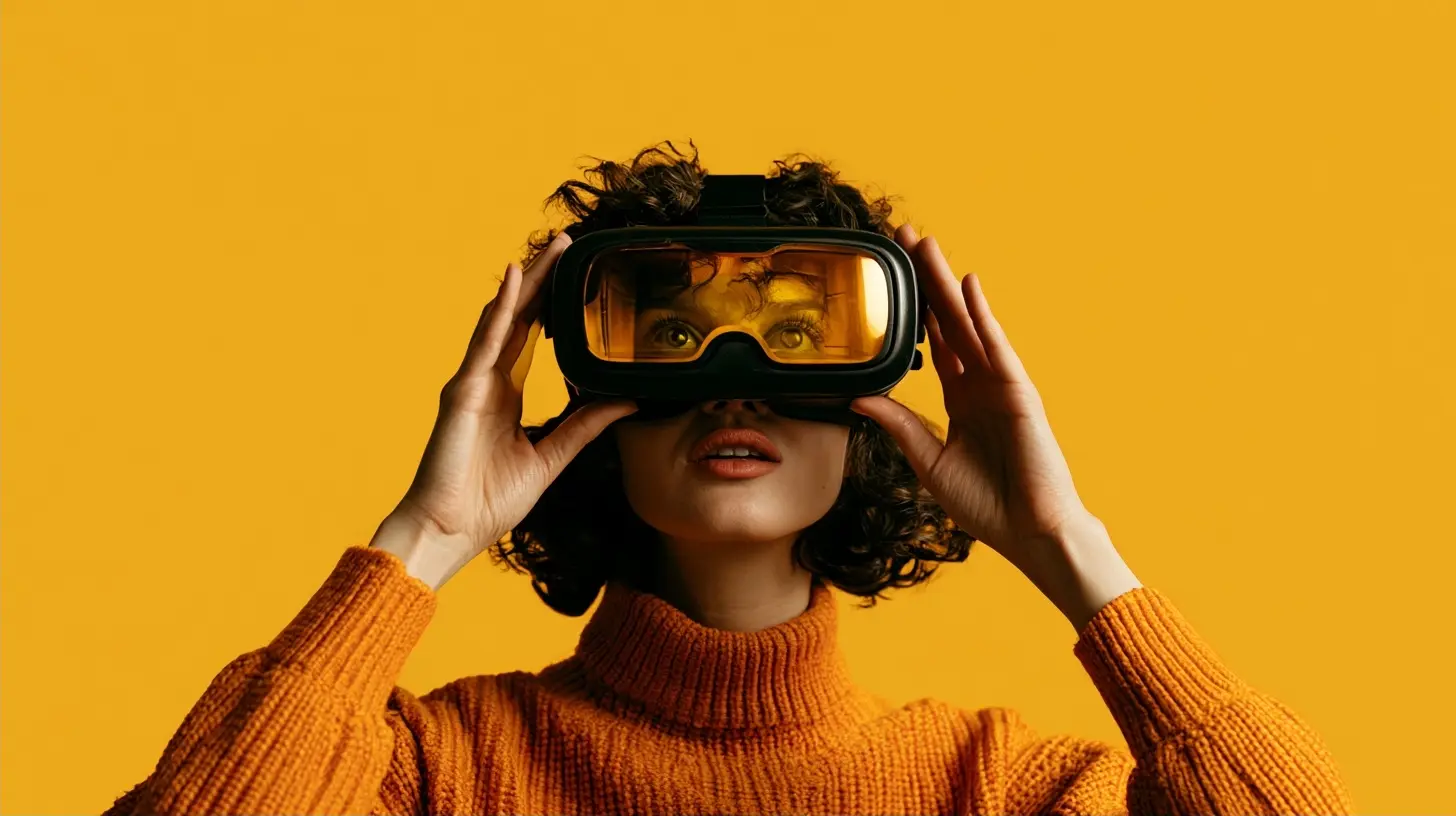
We have spent years trying to compensate for the lack of body language in digital communication. We invented emojis to replace facial expressions. We used exclamation points to simulate vocal tone. We developed elaborate acronyms like LOL and IMO to try to convey nuance. These are all poor substitutes. They require conscious effort to encode and decode, and they often fail. Sarcasm is still the most misunderstood element of text-based communication.Virtual reality restores the subconscious channel of communication. Full-body avatars, even stylized ones, allow for posture reading. You can see if someone is slouching out of boredom or leaning forward with interest. Hand gestures become meaningful again. Eye contact, when implemented with foveated rendering, becomes a powerful tool. In 2027, headsets will track your actual gaze. If you are nervous and avoid looking at the other person, they will know. This will force a level of honesty that we have not had in digital communication for decades.
The trade-off here is significant. Many people have become comfortable with the mask of the screen. The ability to hide your face during a difficult conversation is a defense mechanism. Video calls already make some people anxious because they feel exposed. VR will amplify this. You will not be able to multitask during a serious conversation. Your avatar will not be able to fake attention if your body is turned away. This will be uncomfortable for people who rely on digital distance to manage conflict. However, this discomfort is precisely what will make VR relationships stronger. You cannot hide in the same way. You either show up or you do not.
The Rise of Shared Activities Over Shared Content
Social media today is built on shared content. We watch the same video, read the same news article, and then comment on it in separate spaces. The interaction is secondary to the content. VR flips this model. The activity becomes the primary driver, and conversation happens naturally within it.By 2027, expect to see a massive rise in "co-presence" activities. You and a friend will not just talk about hiking. You will virtually hike a trail in the Swiss Alps together. You will not just catch up over coffee. You will actually sit at a virtual table, hold a virtual cup, and watch the steam rise. The mundane nature of these activities is what makes them powerful. The magic is not in the graphics. It is in the shared routine.
This shift will have a profound effect on how we maintain long-term friendships. Currently, long-distance friendships require a high level of active effort. You have to schedule calls. You have to think of topics to discuss. In VR, you can just "hang out." You can be in the same virtual living room while one of you reads a book and the other plays a game. The pressure to perform conversation is gone. You are simply in each other's presence. This is closer to how we actually maintain close relationships in the physical world, where silence is comfortable and shared space is enough.
The practical advice here is to start thinking about relationships in terms of activities, not conversations. When you plan a VR session with a friend, do not just say "let's talk." Say "let's go build something" or "let's explore that new environment." The activity provides the scaffolding for the connection. It also gives you an excuse to be together when you have nothing specific to say.
The New Rules of Professional Presence
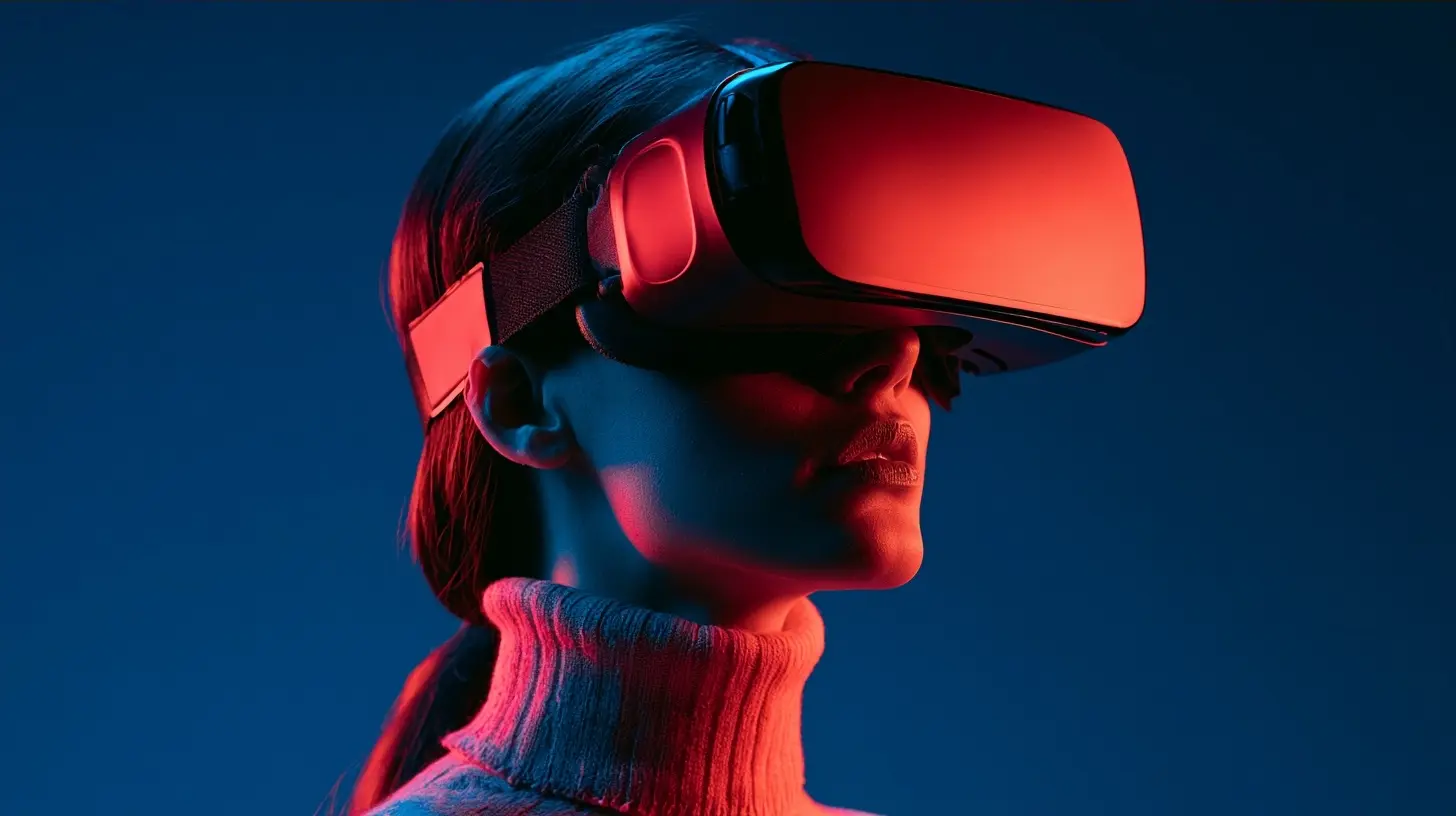
The business world will be the first to fully integrate VR, not because of empathy, but because of economics. By 2027, the cost of flying an employee across the country for a two-hour meeting will be prohibitive for many companies. The carbon footprint will be a public relations problem. VR offers a middle ground between the sterility of Zoom and the expense of travel.The key difference will be in the quality of collaboration. In a video call, brainstorming sessions are often awkward. People talk over each other, and the lack of spatial audio makes it hard to distinguish who is speaking. In VR, you have a spatial audio field. If you are sitting to the left of someone, their voice comes from the left. This allows for natural turn-taking. You can whisper to a colleague without the whole group hearing. You can break into small groups by simply moving to different corners of the virtual room.
However, there is a common mistake that early adopters make. They treat VR as if it were a video call with better graphics. They create virtual boardrooms with tables and chairs and expect people to sit still. This is wrong. The advantage of VR is that you are not bound by physics. You can stand around a holographic model of a product. You can walk through a building that has not been built yet. You can manipulate data with your hands. The best VR meetings in 2027 will not look like meetings. They will look like collaborative workshops where everyone is moving and manipulating objects.
The trade-off is accessibility. Not everyone will have a high-end headset by 2027. Some will still be on laptops with basic avatars. This creates a "two-tier" meeting where some participants have full presence and others are floating faces. This is a design problem that companies will need to solve. The best practice is to design meetings for the lowest common denominator initially, or to use hybrid models where VR participants are given a distinct advantage in interactive segments. Ignoring this will create resentment and a feeling of exclusion, which will undermine the entire purpose of the connection.
The Danger of the "Perfect" Avatar
One of the most significant psychological pitfalls in VR is the avatar gap. We all have a mental image of ourselves, and it is usually more flattering than reality. In VR, you can choose to represent yourself as younger, thinner, or more conventionally attractive. This is a powerful tool for people with body dysmorphia or social anxiety. It can allow them to build confidence in a safe space.But it also creates a problem of authenticity. If you meet someone in VR and your avatar is a idealized version of yourself, you are starting the relationship with a lie. When you finally meet in person, or even on a high-definition video call, the mismatch can be jarring. This is not just about physical appearance. It is about mannerisms. People who are naturally shy can create an outgoing avatar. They may feel liberated in VR, but they will struggle to translate that confidence back into the real world.
The expert recommendation for 2027 is to use a "flattering but honest" avatar. Make yourself look like you on a very good day. Do not make yourself look like a different person. The goal of VR connection is to bridge the gap between digital and physical, not to widen it. If you use VR as a fantasy escape, you will become addicted to it because it is easier than reality. If you use it as a tool for authentic presence, it will enhance your real-world relationships.
There is also the issue of "proteus effect." This is a psychological phenomenon where your behavior changes to match your avatar. If you are in a tall, powerful avatar, you become more assertive. If you are in a small, childlike avatar, you become more passive. By 2027, this will be weaponized in social and business settings. People will choose avatars that give them a psychological advantage. A negotiator might choose a larger avatar to dominate a discussion. A therapist might choose a softer, more neutral avatar to put a patient at ease. Being aware of this effect is crucial. If you feel yourself becoming aggressive in a VR meeting, check your avatar. It might be driving your behavior.
The Evolution of Intimacy and Dating
Dating apps have reduced human connection to a swipe. We make judgments based on a few photos and a two-sentence bio. This has led to a culture of disposability, where there is always another match waiting. VR dating will change this because it reintroduces the cost of interaction.Going on a VR date in 2027 will be more like a real date than a video call. You will spend time choosing an environment. You might walk through a virtual garden or sit in a Parisian cafe. You will be in the same space. You will have to make conversation. You will not be able to glance at your phone because you are wearing a headset. This forced presence will lead to deeper conversations faster. You will get a better sense of a person's humor and temperament in one VR date than in ten text conversations.
The trade-off is the risk of catfishing. Voice modulation technology will be advanced. People could use avatars that look nothing like them and voice changers that make them sound more attractive. This is a real concern that the industry will have to address through identity verification systems. By 2027, expect to see "verified" badges in VR social spaces, similar to what we have on Twitter and Instagram. These will be tied to government IDs and biometric checks. It will not be foolproof, but it will reduce the risk.
The deeper issue is the question of what we are actually attracted to. If you fall in love with someone's avatar, is it real? The answer is yes, to a degree. We fall in love with people's minds, not just their bodies. The avatar is a vessel for their personality. If the personality is genuine, the connection is genuine. However, the physical attraction part of the relationship will be delayed. This can be a good thing. It can force people to focus on emotional and intellectual compatibility before physical chemistry. But it can also lead to disappointment when the physical meeting does not match the virtual fantasy.
The practical advice is to transition from VR to a video call, and then to an in-person meeting, relatively quickly. Use VR to establish a baseline of comfort and trust. Do not let the virtual relationship drag on for months without a real-world connection. The virtual world is a tool for screening and building initial rapport. It is not a substitute for the messy, unpredictable, and ultimately irreplaceable experience of physical presence.
Rebuilding the Extended Family
One of the most heartwarming applications of VR by 2027 will be in family connections. Grandparents often miss out on their grandchildren's lives because they live far away. A video call is often too brief and awkward for a young child. The child gets bored, the grandparent feels disconnected, and the call ends with a sense of obligation rather than warmth.VR will change this. A grandparent can sit on a virtual couch and read a bedtime story to a grandchild. The child will see a 3D version of their grandparent, not a flat screen. They can show them a drawing by holding it up to the virtual camera. They can play a board game together. The interaction becomes a shared activity, not a performance for the camera.
This has real psychological benefits. It will reduce the loneliness that plagues the elderly population. It will give children a more tangible sense of their extended family. The key here is patience. Older users may struggle with the technology. The best practice is to set up the system for them, pre-configure the sessions, and make the interaction as simple as pressing a single button. By 2027, this technology will be as simple as making a phone call, but the emotional payoff will be far greater.
The Risk of Withdrawal
We cannot discuss the future of VR connection without addressing the risk of addiction. The technology will be compelling. It will offer a world that is more controllable, more beautiful, and more comfortable than our physical reality. For people who are unhappy with their lives, VR will be a tempting escape.The line between healthy use and addiction will be blurred. Is it healthy to spend three hours a night in VR with friends if you live alone? Is it a problem if you prefer your virtual hiking group to your real-world neighbors? The answer is nuanced. If VR enhances your social life and makes you happier, it is a tool. If it causes you to neglect your physical health, your job, or your real-world responsibilities, it is an addiction.
The common mistake is to treat VR as a binary choice between the real and the virtual. The future is hybrid. You will have some friends you only see in VR. You will have some friends you only see in person. You will have some who cross over. The skill to develop by 2027 is "context switching." Knowing when to be present in the physical world and when to be present in the virtual world. The danger is not in using VR. The danger is in using it to avoid the parts of life that are difficult but necessary. VR should be a supplement to your social diet, not a replacement for the basic nutrients of human touch and physical proximity.
What to Do Now
The technology is still imperfect. Headsets are clunky. Avatars can look weird. There are motion sickness issues. But the trajectory is clear. By 2027, the hardware will be light, the graphics will be realistic, and the social software will be mature. The people who will benefit the most are the ones who start experimenting now.Start by using VR for one specific relationship. Pick a friend or family member who also has a headset. Schedule a weekly "hang out" session. Do not try to replicate a video call. Instead, do something together. Play a cooperative game. Explore a virtual museum. Just sit in a virtual park and talk. The goal is to build the habit of being present with someone in a shared space.
Do not wait for the technology to be perfect. The psychological benefits of presence are already available, even with basic graphics. The brain does not need photorealism to feel connection. It needs spatial awareness and shared activity. Those exist now.
The final piece of advice is to be honest with yourself about your motivations. If you are using VR to connect with people you care about, you are on the right path. If you are using it to escape from people you care about, you need to step back. The technology will change how we connect, but it will not change the fundamental human need for authenticity. The medium is just the messenger. The message is still about love, trust, and understanding. By 2027, we will have a powerful new way to deliver that message. The question is whether we will use it wisely.
all images in this post were generated using AI tools
Category:
Interpersonal CommunicationAuthor:

Eliana Burton
Discussion
rate this article
2 comments
Freya McQuillen
Exciting possibilities for deeper connections through technology.
September 11, 2026 at 4:54 PM
Eliana Burton
Absolutely, technology opens up new ways for us to engage and understand each other on a deeper level. Let's see how it unfolds.
Veronica Estes
This article offers a fascinating glimpse into the future of human connection through virtual reality. Exciting times ahead!
September 5, 2026 at 3:47 AM
Eliana Burton
I'm glad you found it intriguing! The future of connection through virtual reality really is exciting. Let's see where it takes us by 2027.