Understanding the Link Between Sleep and Emotional Health
21 July 2026
Let’s be honest — sleep often gets pushed to the bottom of the priority list. Between deadlines, binge-watching the latest series, and doom-scrolling at 2 a.m., most of us have traded our ZZZs for everything else. But have you ever noticed how a rough night’s sleep can turn even the simplest stuff into emotional chaos the next day?
That’s not just in your head — well, actually, it is, but there’s science backing it up. Your brain and body need sleep like a car needs gas. Without it, everything — especially your emotions — starts to break down.
In this post, we’re going deep into how sleep and emotional health are connected. Buckle up, because you’re about to see how those eight hours of shut-eye can make or break your mental health.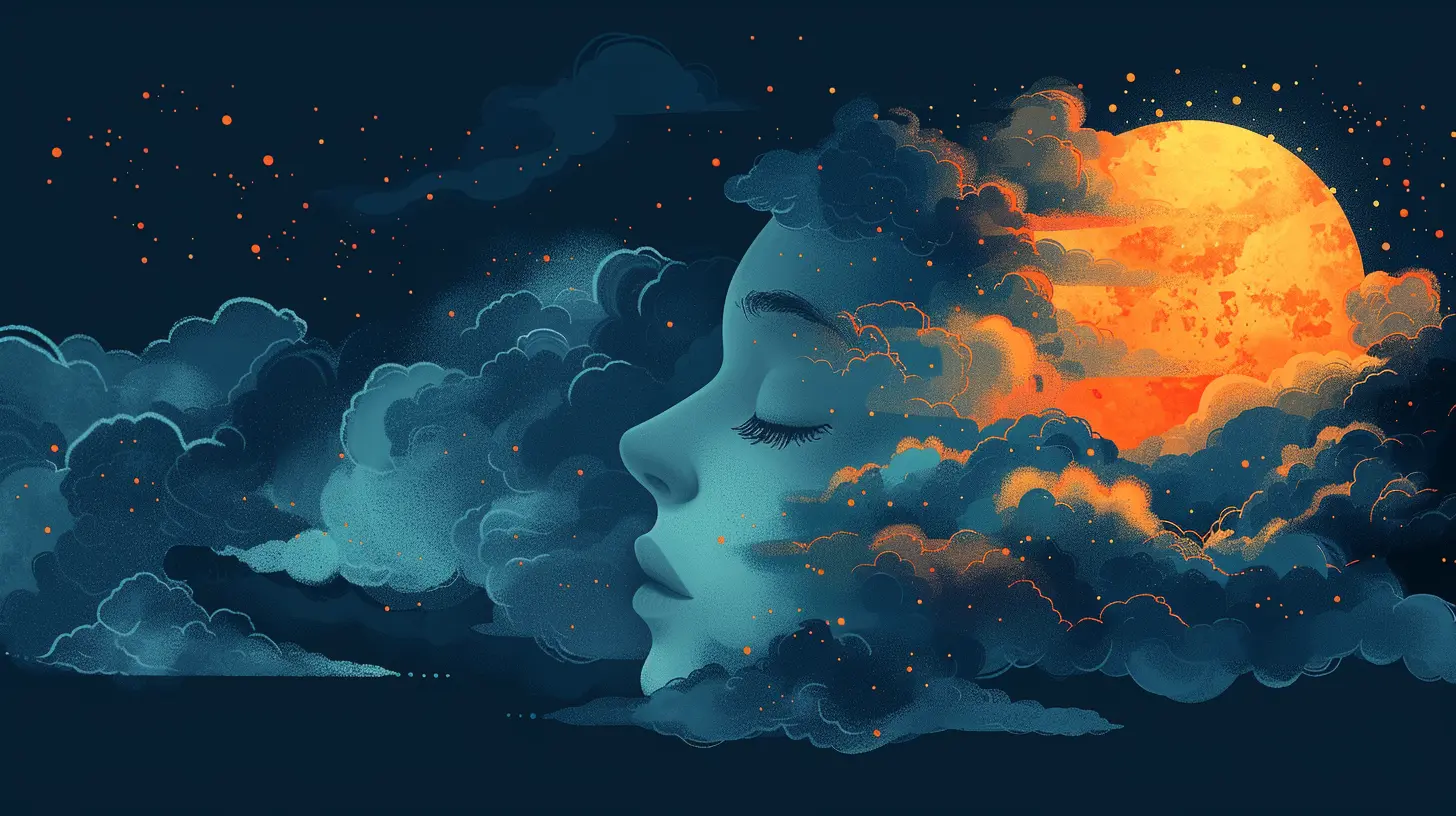
Why Sleep Is More Than Just Rest
Most people think of sleep as simply "rest time." Lights off, body off, mind off, right?Not even close.
Sleep isn’t passive. It’s like an overnight maintenance crew that comes in when you’re not looking. Your brain's cleaning out toxins, storing memories, balancing hormones, rebooting systems — it’s a whole operation.
While your body might be curled up under your comforter, your brain is busy organizing, recharging, and honestly, doing some heavy lifting to help you feel good the next day.
Emotional Health: What Are We Really Talking About?
Emotional health isn’t about being happy all the time (because let's be real, that's just not possible). It’s about how you manage emotions, react to stress, handle relationships, and bounce back from setbacks.When your emotional health is strong:
- You navigate daily stress with confidence.
- You communicate clearly.
- You make thoughtful choices.
- You feel connected — to yourself and others.
But when it’s off balance? Everything feels harder. Suddenly, you're snapping at people, crying over spilled milk (literally), and feeling overwhelmed by the tiniest thing.
Now here's where sleep steps in like an undercover superhero.
The Science Behind Sleep and Emotions
You might be wondering, “Okay, so what exactly does sleep do for my emotions?”Glad you asked.
1. Sleep Helps Regulate Brain Function
Your brain’s emotional HQ — the amygdala — is known for handling things like fear and anxiety. Think of it as the alarm system in your house. When it’s working right, you feel alert but not panicked. When you're sleep-deprived? That alarm goes haywire.Research shows that lack of sleep makes your amygdala more reactive. That means you’re more likely to:
- Overreact to minor issues
- Feel anxious or paranoid
- Struggle with controlling impulses
Suddenly, a coworker's harmless comment feels like an insult, or a traffic jam ruins your entire day.
2. Sleep Supports Emotional Memory
Every time something emotional happens — good or bad — your brain has to store that memory. Sleep plays a huge role in deciding what to keep and how to emotionally tag it.Without enough sleep, your brain has trouble processing and organizing emotional experiences. The result? You might:
- Dwell on negative memories
- Forget the positives
- Misinterpret emotional cues from others
It’s like trying to run your emotional life with a cluttered inbox — nothing gets filed properly.
3. Sleep Balances Mood-Related Neurotransmitters
Serotonin, dopamine, and cortisol — these are the chemical messengers pulling the strings behind your feelings. Sleep helps keep these balanced.When you sleep poorly:
- Cortisol (your stress hormone) spikes
- Serotonin and dopamine (your feel-good hormones) can drop
So you're more stressed, less happy, and way more irritable. It's emotional whiplash, and nobody wants that.
How Sleep Deprivation Sabotages Your Mental Health
Let’s talk real-life effects. You skip one night of quality sleep here, another there, and before long, you're functioning like a zombie with a short fuse.Here’s what chronic sleep deprivation can do to your emotional health:
Increases Anxiety
Ever had one of those nights where you toss and turn, and then wake up feeling like you’re bracing for a storm? Yep, sleep loss stirs up anxiety like sugar in your morning coffee. It speeds up your heart, makes you jittery, and primes your brain to expect the worst.Exacerbates Depression
While sleep problems don’t cause depression outright, they definitely feed the beast. People struggling with depression often have irregular sleep cycles. Either they sleep too much or can’t sleep at all. And when you're not sleeping, your brain isn’t healing — it’s just spiraling.Triggers Emotional Meltdowns
Think about toddlers. When they miss a nap, they throw epic tantrums, right? Adults aren't much different — we just cry in the car or snap at customer service instead.Lack of sleep lowers emotional resilience. That means even minor stressors can feel like major catastrophes.
The Vicious Cycle: Poor Sleep ↔ Poor Mental Health
Here’s the kicker — emotional health issues can also mess with your sleep. It goes both ways.- Anxiety keeps your brain on high alert when you’re trying to sleep.
- Depression can flatten your energy levels by day but still leave you restless at night.
- Chronic stress tricks your body into thinking it’s in danger — even when you're safe in bed.
It becomes a vicious cycle: bad sleep worsens emotional health, which leads to even worse sleep, and so on. Not fun.
The Good News? You Can Break the Cycle.
Okay, enough doom and gloom. The real takeaway here is this: you have the power to improve both your sleep and your emotional well-being. They’re tied together, which means improving one helps the other.Here’s how to start.
1. Build a Sleep Routine Like It’s Sacred
Your body loves predictability. Try to go to bed and wake up at the same time every day — yes, even on the weekends (sorry, night owls).Pro tip: A wind-down ritual 30 minutes before bed can train your brain to chill out. Think:
- Dimming lights
- Reading a book (non-digital)
- Stretching gently
- Journaling your thoughts
Make it your emotional exhale from the day.
2. Crush the Caffeine and Screens
Caffeine stays in your system way longer than you think. Cut it off by early afternoon if you’re struggling to fall asleep.And those screens? They're blasting blue light that tells your brain it's still daytime. Try logging off at least an hour before bed. Yes, TikTok will still be there tomorrow.
3. Move Your Body, Calm Your Mind
Exercise helps burn off stress and anxiety hormones, which preps your body for better rest. You don’t need to run marathons — even a brisk walk or 20-minute yoga session works wonders.Mindfulness, meditation, or even deep breathing exercises can also take your nervous system out of “fight or flight” mode and into “rest and digest.”
4. Don’t Ignore Your Feelings
If emotions are keeping you wired at night, don’t just stuff them down. Try journaling, talking to a friend, or speaking with a therapist.Think of it like cleaning out your junk drawer — overwhelming at first, but super satisfying once things are sorted.
5. Get Help When You Need It
Sometimes, sleep issues and emotional health problems need more than DIY solutions. And that’s okay.Cognitive Behavioral Therapy for Insomnia (CBT-I) is a super effective, proven approach to treat sleep issues by targeting the thoughts and habits that sabotage rest.
Therapy, medication, or other support tools can be part of the journey. You don’t have to do it alone.
Sleep Is Self-Care — Not a Luxury
Let’s stop glorifying the grind and start glorifying the nap, shall we?In a world where stress levels are through the roof and everyone’s running on empty, choosing to prioritize sleep is radical self-care. It’s not lazy, it’s smart. It’s healing.
And when you get serious about sleep? You think clearer, feel better, connect deeper, and show up as your most emotionally grounded self.
So tonight, instead of another episode or another scroll, choose the pillow. Your brain — and your heart — will thank you.
Final Thoughts
Understanding the link between sleep and emotional health might just be the missing piece in your mental wellness puzzle. It’s not just about clocking hours — it’s about giving your body and mind the recovery time they need to tackle life with a little more grace (and a lot less grumpiness).Start small. Be consistent. And remember: sleep isn’t a weakness. It’s your emotional reset button.
Hit it often.
all images in this post were generated using AI tools
Category:
Emotional Well BeingAuthor:

Eliana Burton
Discussion
rate this article
1 comments
Antonia Morris
Great insights on the crucial connection between sleep and emotional well-being. Sleep truly affects our mood!
July 23, 2026 at 2:49 AM
Eliana Burton
Thanks for your feedback! I'm glad you found the connection important. Sleep really does play a vital role in our mood and overall mental health.