How Fashion and Beauty Standards Influence Body Image
13 August 2026
Ever looked in the mirror and immediately started comparing yourself to a model on Instagram or a celebrity on a magazine cover? You're not alone. Let's be real—fashion and beauty standards have a massive influence on how we see ourselves. From runway models to TikTok trends, we’re constantly being bombarded with images of the “ideal” body and look. But here’s the kicker: those ideals are often unrealistic, even for the people portraying them.
In this article, we're diving deep into how fashion and beauty standards shape our body image. We’ll explore where these standards come from, how they impact our mental health, and what we can actually do about it. Ready for the truth? Let’s get into it.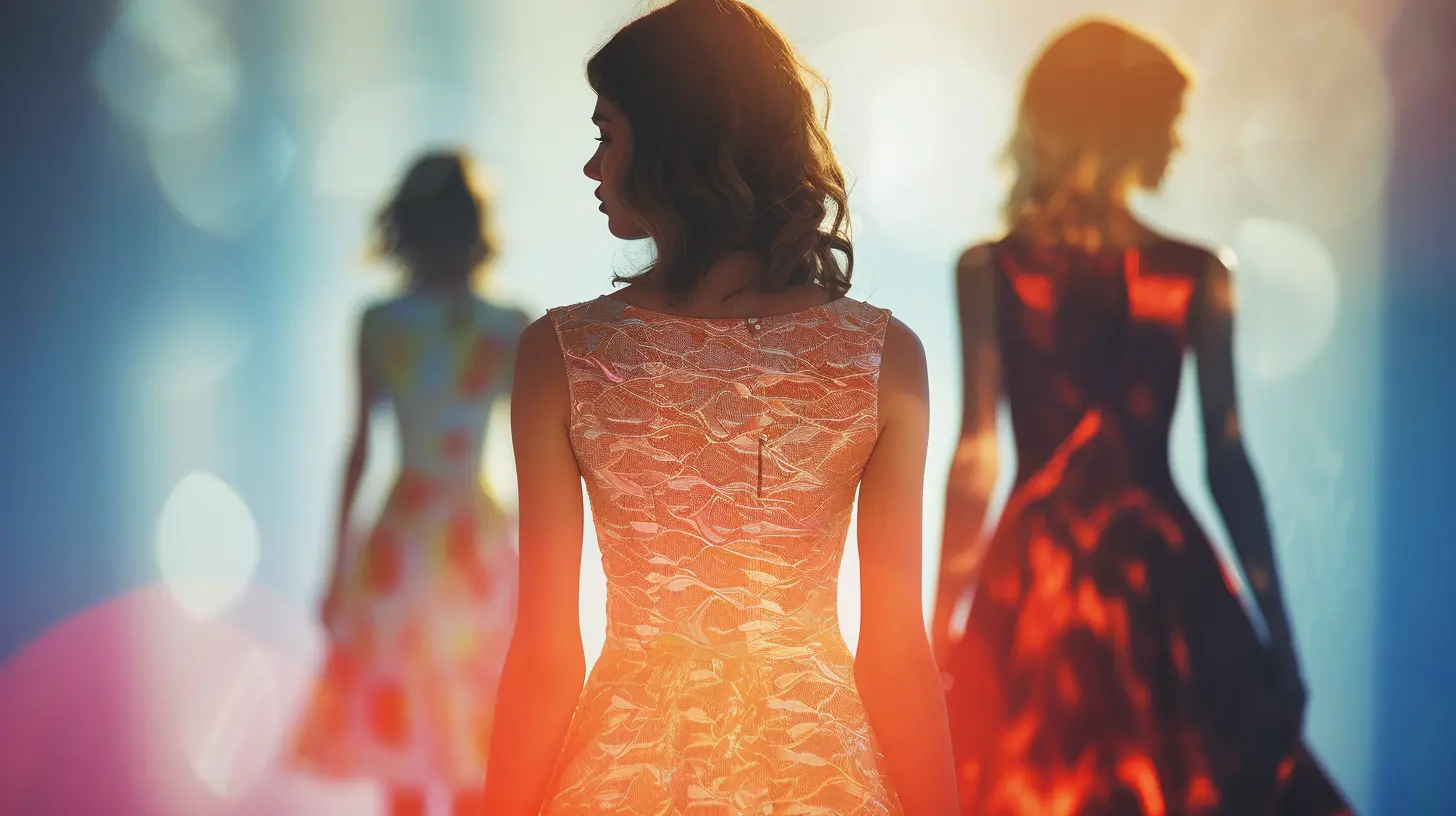
What Exactly Are Fashion and Beauty Standards?
Before we get too far, let’s break it down. Fashion and beauty standards are basically the rules—often unspoken—that society sets about what’s considered attractive. These standards dictate everything from body size, skin tone, and facial features to clothing style and hairstyle.Think of it like an invisible dress code for beauty. And guess what? That dress code changes all the time. What was “in” during the 90s (hello, ultra-thin) is completely different from today’s curvy “Kardashian-esque” ideal.
So, who’s writing this rulebook? Media, fashion industries, influencers, and yes, even us—when we hit “like” on filtered photos or obsess over diet trends.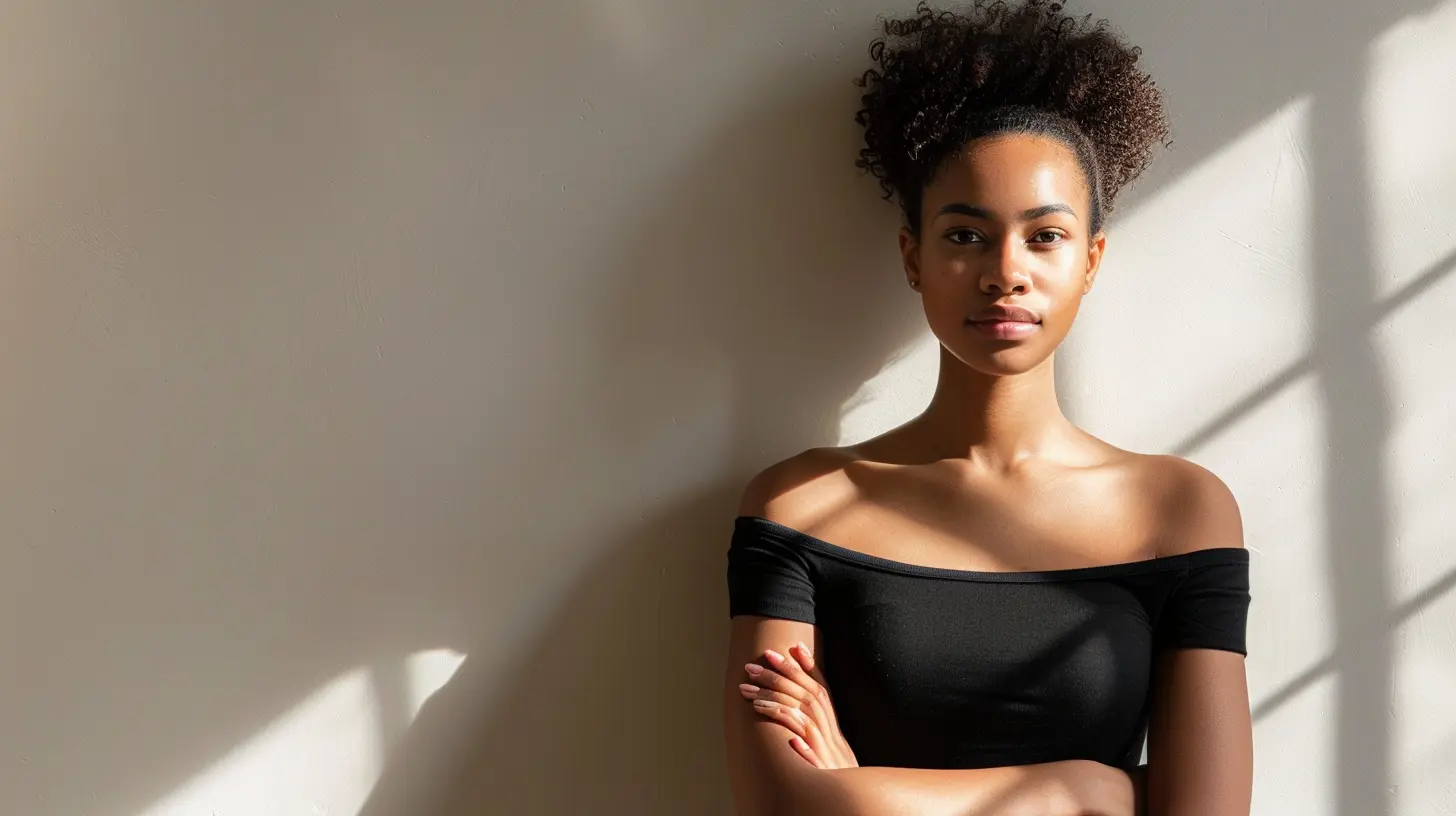
The Evolution of Beauty Ideals
Let’s take a mini stroll down history lane. Beauty standards have been evolving for centuries:- Renaissance Era: Full-figured bodies were considered beautiful—they symbolized wealth and fertility.
- 1920s: Flat-chested, androgynous bodies were all the rage.
- 1950s: Think Marilyn Monroe—curves came back in style.
- 1990s: Enter the “heroin chic” look—super thin and pale.
- 2010s to now: A mix—waist-snatching, curvy hips, glowing skin, and toned everything.
Notice anything? These shifting ideals show that society’s concept of beauty is fluid. What people once admired is now outdated, and the current trends might be irrelevant in another decade.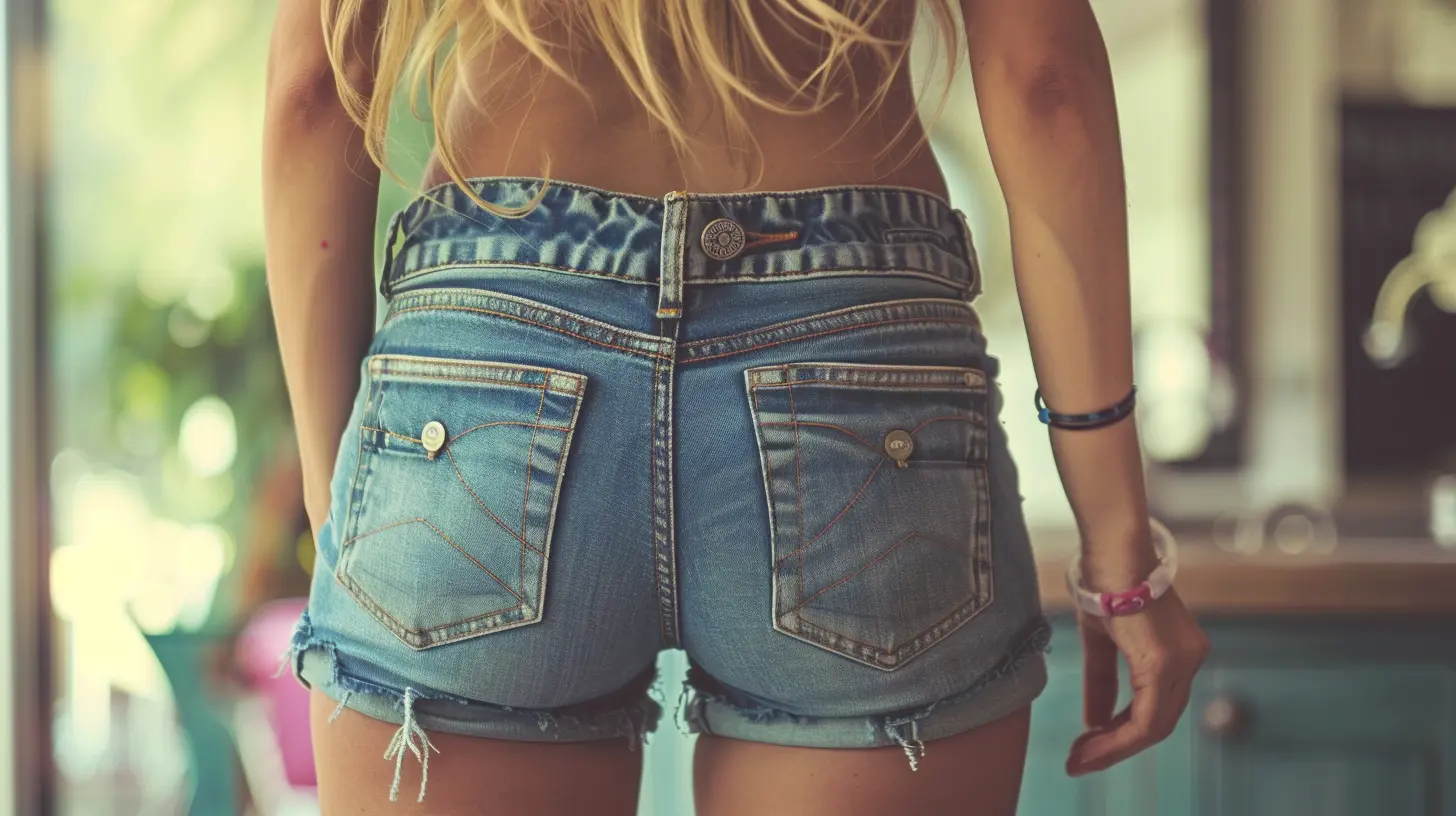
The Role of Media and Social Media
If fashion magazines were the gatekeepers of beauty in the past, social media is now the full-blown dictator. Instagram, TikTok, YouTube—they’re not just entertainment anymore. They’re shaping how we think we should look.With hashtags like #bodygoals, #fitspo, and #perfectskin constantly trending, it’s easy to feel like your own body isn’t measuring up. And while filters, angles, and Photoshop are common knowledge now, our brains still absorb those images as “real.”
And let’s not forget influencers. Many of them promote “perfect” lifestyles and bodies that are as manufactured as the clothes they’re paid to wear. It creates a toxic loop of comparison, pushing us to chase something that may not even exist beyond a screen.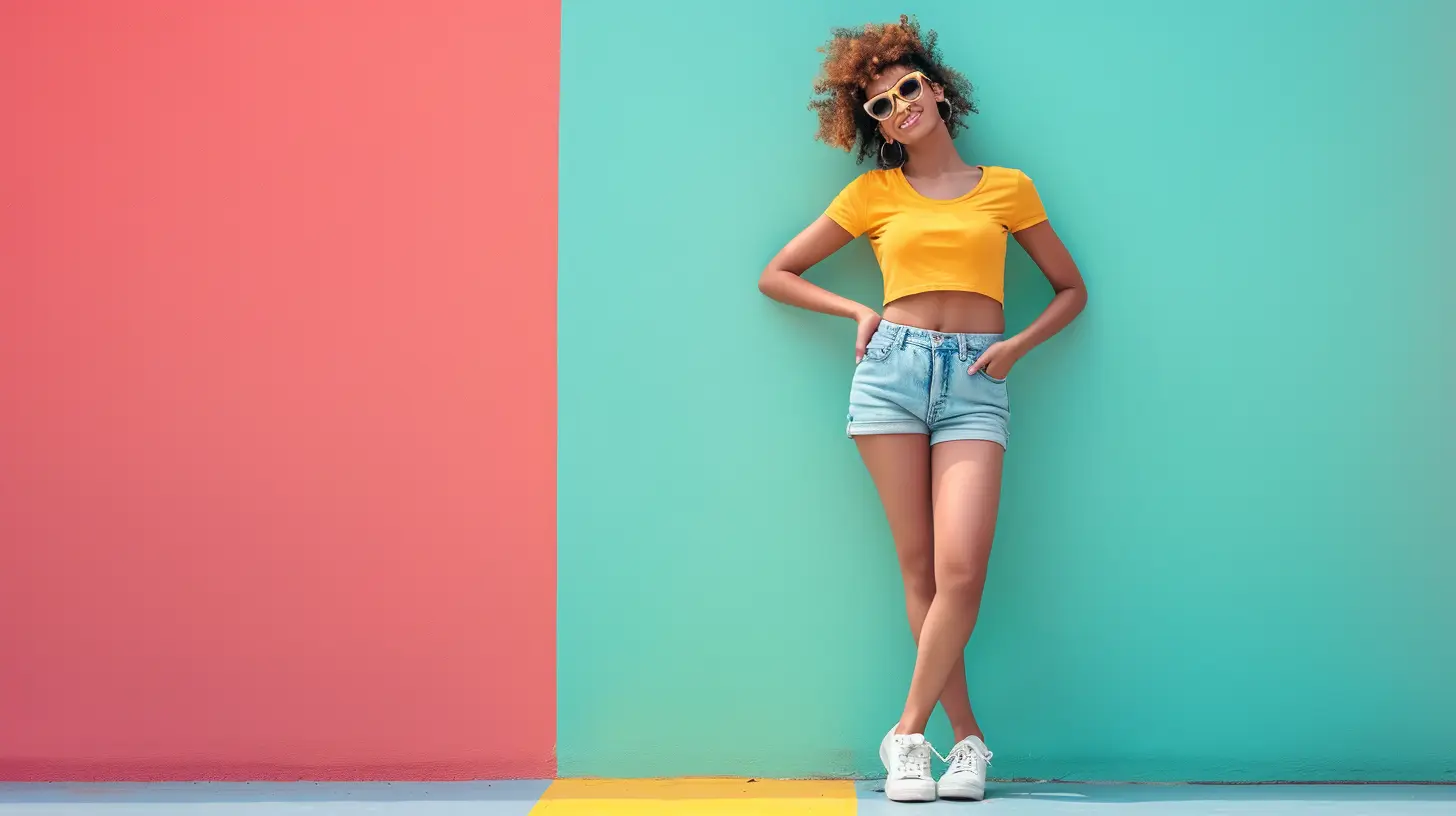
How Fashion Industry Shapes Body Standards
Fashion isn’t just about clothes—it’s about the bodies used to show those clothes. The fashion industry has a long history of favoring tall, ultra-thin models with limited diversity in size, race, or age. What message does that send? That only a certain type of body is worthy of being seen or admired.Even when brands claim to be “inclusive,” often it’s a surface-level move. One plus-size model in a campaign doesn’t erase decades of exclusion. And let’s talk sizing—shopping can feel like a battlefield when you don’t “fit” into the range most stores offer.
Fashion essentially draws a line between those who are “in” and those who are “out.” And many people start to feel like their bodies are the problem, rather than recognizing the system is flawed.
The Psychological Toll: How It Affects Body Image
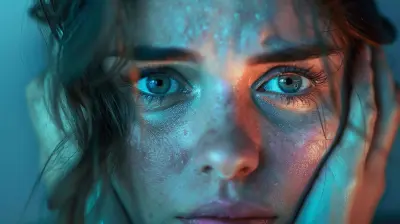
Here’s where things get personal. When fashion and beauty standards feel impossible to reach, it can start chipping away at your self-esteem. You might:- Feel ashamed of your body
- Obsess over every imperfection
- Avoid social situations
- Develop unhealthy eating habits
- Battle depression or anxiety
Sound familiar?
This isn’t just about vanity. Poor body image is linked to serious mental health struggles. And the worst part? It starts young. Kids as early as elementary school feel pressure to look a certain way.
Now, imagine growing up constantly feeling “not pretty enough” or “not thin enough.” That emotional baggage doesn’t just disappear—it often follows people into adulthood and impacts how they see themselves throughout life.
The Pressure on Men, Too
Let’s not pretend this is a women-only issue. Society puts insane pressure on men, too—just in different ways. The idea of the “ideal man” has shifted to chiseled abs, strong jaws, and “tall, dark, and handsome” stereotypes.Men also face ridicule if they don’t conform. Skinny? You’re weak. Overweight? You’re lazy. Expressing insecurity? You're “not man enough.” Toxic masculinity makes it hard for men to even talk about body image issues, let alone seek help.
Cultural Beauty Ideals: Not One Size Fits All
Every culture has its own version of what’s considered beautiful. But thanks to globalization and social media, there’s been a mass push toward Western ideals—light skin, slim bodies, symmetrical faces.This has led to colorism, skin bleaching, and surgeries that alter more than just a nose or chin—it reshapes identities.
When one standard is seen as superior, people from varied backgrounds feel pressured to erase their own features to fit in. That's not beauty—it’s erasure.
The Rise (and Flaws) of Body Positivity
The body positivity movement came along as a much-needed pushback against unrealistic standards. It promotes self-love and acceptance at any size—a powerful thing in a world obsessed with perfection.But even this movement isn’t immune to criticism. Some say it's been co-opted by brands to sell products. Others note that many in the spotlight still fit conventional beauty norms.
And here's the thing—being positive about your body all the time is exhausting for most people. Enter: body neutrality. It’s okay to not love your body every second. The goal? Respect your body even on the "meh" days.
Can Fashion Be a Force for Good?
Yes, it can—if it changes direction. More designers are embracing size inclusivity, gender fluidity, and diverse representation. Brands like Savage X Fenty, Aerie, and Universal Standard are leading the way by not just featuring different bodies but celebrating them.But it’s not just about who’s on the runway. It's about changing the narrative. Clothes should fit us—we shouldn’t have to change to fit the clothes.
Real Tips to Reclaim Your Body Image
Let’s shift the focus back to you. If fashion and beauty standards have messed with your head, here are some ways to start healing:1. Curate Your Feed
Unfollow anything or anyone that makes you feel like crap about your body. Follow people who make you feel seen, inspired, and normal.2. Wear Clothes For You
Forget trends. If it feels good and you love how you look—wear it. Confidence is always in style.3. Avoid Body Talk
Don’t engage in conversations that judge bodies—yours or others. It feeds the cycle.4. Practice Gratitude for Your Body
Instead of critiquing your appearance, think about what your body does for you—walks, hugs, laughs, heals.5. Seek Support
If body image is causing real distress, don’t hesitate to talk to a therapist. You don’t have to go through it alone.Final Thoughts
Fashion and beauty standards have always been influential, but they don’t have to control your self-worth. Your value doesn’t depend on a dress size, a six-pack, or whether you’re "on trend" this season.Yes, industries need to do better. But while we wait for them to evolve, you can still choose to reject harmful standards and redefine beauty on your own terms. After all, the most beautiful people tend to be those who love and accept themselves—just as they are.
all images in this post were generated using AI tools
Category:
Body ImageAuthor:

Eliana Burton
Discussion
rate this article
1 comments
Lysara Webster
This article highlights the crucial link between societal expectations and our personal body image perceptions. Important read!
August 18, 2026 at 3:27 PM
Eliana Burton
Thanks for your insight! I'm glad you found the connection between societal expectations and body image meaningful.