How Cultural Factors Influence the Expression of Childhood Psychological Disorders
19 July 2026
Childhood is supposed to be a time of laughter, learning, and lots of scraped knees. But for some kids, it’s also when the first signs of psychological disorders start to show. Whether it’s anxiety that keeps them up at night, temper tantrums beyond what’s typical, or a deep sadness that seems far too heavy for their age – these issues are real.
What makes it even more complex? The culture they grow up in.
Yep, culture is like an invisible lens we all wear. It shapes how we see the world… and how the world sees us. That includes how mental health symptoms show up, how they’re talked about, and even whether or not they’re treated.
So, how exactly do cultural factors influence childhood psychological disorders? Let’s break it down in a way that’s easy to grasp – no psych degree required.
What Are Childhood Psychological Disorders Anyway?
Before diving into culture, let's make sure we're on the same page about what childhood psychological disorders are. These are emotional, mental, or behavioral issues that affect kids and get in the way of them living their best lives.We’re talking about things like:
- Anxiety disorders – when worry takes over
- Depression – when joy seems out of reach
- ADHD – when staying still and focused feels impossible
- Autism spectrum disorder – when social communication and behavior patterns are unique
- Oppositional defiant disorder (ODD) – when defiance becomes a daily battle
These aren’t just “phases” kids grow out of. They’re real, diagnosable conditions that need care and understanding.
Culture Isn’t Just Food and Festivals
When we think of culture, our minds might jump to things like language, food, clothing, or holidays. But it’s much deeper than that. Culture shapes how we think, how we behave, and yes – how we express mental health.Culture includes:
- Beliefs (What do families think causes mental illness?)
- Values (Is it okay to talk about emotions?)
- Norms (What kind of behavior is acceptable for children?)
- Expectations (What do parents and schools expect kids to be like?)
Imagine culture as the software running in the background of your life. You don’t always see it, but it’s influencing every click and decision.
Symptoms May Look Different Across Cultures
Here’s where it gets really interesting (and a bit tricky for professionals). The same disorder can look totally different in two cultures.For example:
- In Western cultures, depression in children might show up as sadness, crying, or saying “I feel hopeless.”
- In Eastern cultures, that same child might complain of lots of stomachaches and headaches – physical symptoms instead of emotional ones.
This isn’t because kids are faking it. It’s because their culture has taught them how to express distress – and somatic symptoms (like bodily aches) might be the more acceptable way to show pain in their community.
So, while one child may cry easily, another may get frequent stomachaches, and both may be struggling with depression.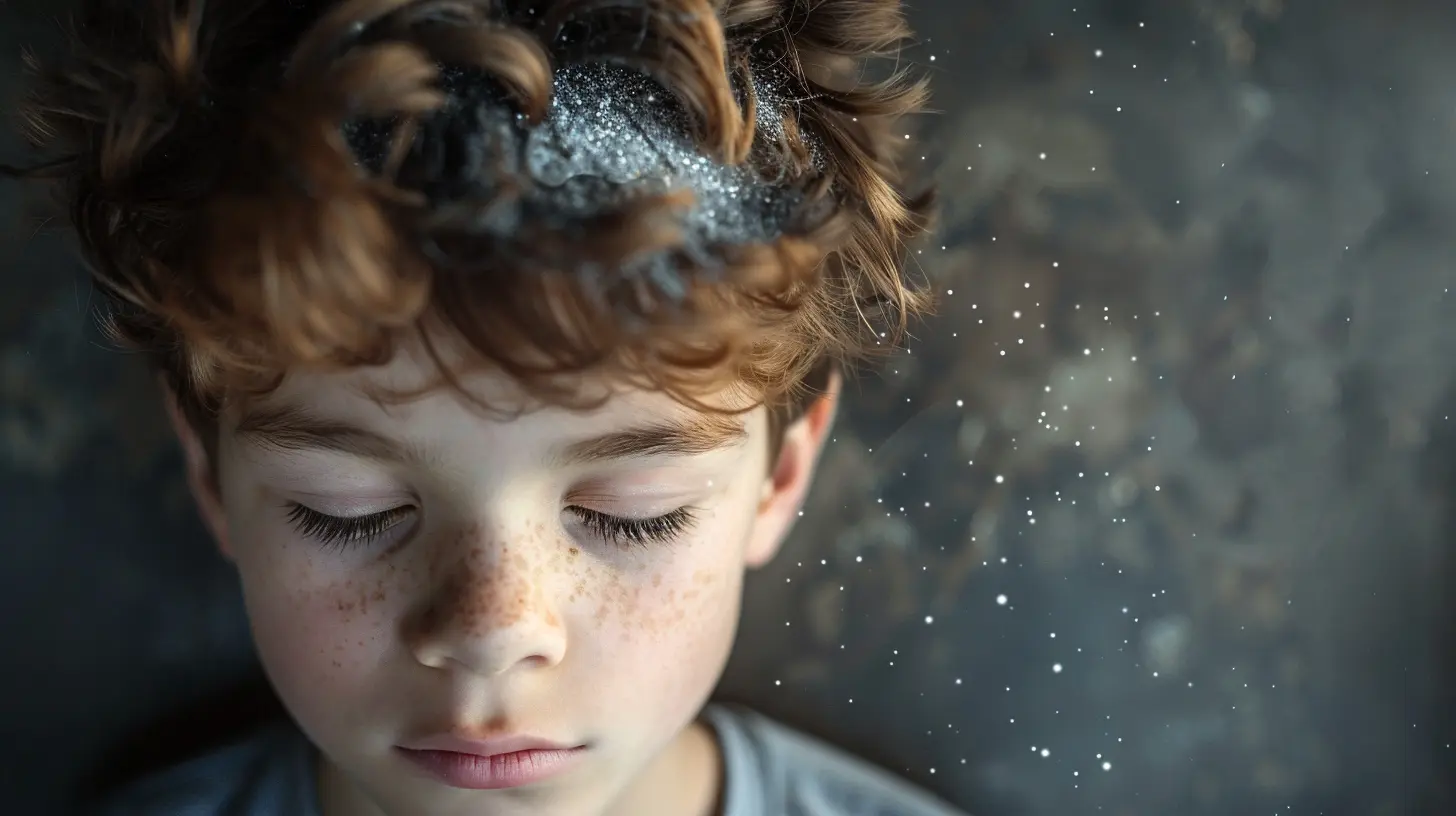
Families Play a Huge Role
In childhood, family isn’t just a part of life – it is life. That’s why the way a family responds to signs of a psychological disorder can make or break how a child gets help.Let’s say a child shows signs of ADHD. In one family, the parents might rush to get a proper diagnosis and treatment. In another family, they might say, “He’s just being a normal boy. He’ll grow out of it.”
Cultural beliefs about parenting, discipline, and what qualifies as “normal” child behavior all influence whether or not problems get addressed.
Some families might:
- See emotional issues as a spiritual matter (requiring a religious response)
- Believe that mental illness brings shame to the family (leading to denial)
- Blame the child or parenting style, rather than seeing it as a medical concern
This isn’t about blaming families. It’s about understanding how deeply culture can shape emotional language and reactions.
Stigma: The Silent Saboteur
Let’s talk about the elephant in the room – stigma. It’s real, and it varies across cultures.In some communities, a mental health diagnosis can feel like labeling a child as “broken” or “crazy.” That kind of labeling hurts. It leads to silence, shame, and swept-under-the-rug symptoms.
And here's the kicker – when problems stay unspoken, they usually get worse, not better.
In cultures where mental health is taboo, kids are less likely to get therapy or medication. Even teachers and doctors might avoid the subject, not wanting to upset families.
This keeps kids from getting the support they need to thrive.
Cultural Expectations Set the Bar
Imagine a child in a culture that values obedience and quiet behavior. If that child has ADHD and can’t sit still for long, they may be seen as “rude” or “rebellious.”Now picture a kid in a culture that celebrates outspokenness and independence. A shy child in that setting might be labeled “withdrawn” or “antisocial.”
See where this is going?
Cultural expectations can influence both the diagnosis and the judgment placed on kids. What looks like a disorder in one culture might seem totally normal in another.
That’s why mental health professionals must always look through a cultural lens before making assumptions.
Language Shapes Understanding
Words matter. In fact, the language we use – literally – can impact how we understand mental health.Some languages don’t have words for “depression” or “anxiety.” Others might use metaphorical language like “heavy heart” or “lost spirit.”
If a child can’t describe what they’re feeling because their language doesn’t have the words… how do we expect them to get help?
And if their parents or teachers misinterpret those feelings as just being “lazy” or “difficult,” the real issue can go unseen.
It’s kind of like trying to explain a headache without the word “pain” – frustrating and confusing for everyone involved.
Access to Mental Health Resources Isn’t Equal
Alright, here’s the harsh truth – not everyone has the same access to mental health services. Some communities have plenty of psychologists and therapists. Others barely have any. And sometimes, even when services are available, cultural barriers make them feel out of reach.Think about:
- A family that doesn’t trust healthcare systems due to past discrimination
- A language barrier that stops parents from finding a therapist who “gets it”
- A school system that only recognizes certain disorders, ignoring others
Even if a child has a psychological disorder, they might never get a formal diagnosis or treatment because of these barriers.
Teachers and Schools Matter More Than You Think
Kids spend a huge chunk of their day at school, so it’s no surprise that teachers often notice issues first. But whether or not those issues are flagged depends on – you guessed it – culture.In some cultures, teachers are trained to look for developmental delays and refer families to counselors. In others, behavioral issues might be chalked up to poor discipline.
Also, schools themselves have their own micro-cultures. Some celebrate neurodiversity and emotional awareness. Others are focused strictly on rules, grades, and conformity.
If a school isn’t culturally sensitive, it might label kids unfairly or miss red flags altogether.
Bringing it Together: A Culturally-Informed Approach
So, what’s the solution here?We need a culturally informed approach to childhood mental health. That means recognizing, respecting, and responding to cultural differences without letting them get in the way of a child’s wellbeing.
Here’s what that looks like:
1. Listen to the child and their family – without judgment.
2. Use culturally relevant screening tools – not one-size-fits-all tests.
3. Provide education – to families AND professionals.
4. Promote bilingual, bicultural mental health providers – representation matters.
5. Remove the shame – by normalizing therapy and mental health conversations.
This isn’t about changing anyone’s culture. It’s about blending the best of cultural strengths with modern psychological care.
The Takeaway: Kids Are Kids, But Culture Counts
At the end of the day, children – no matter where they’re from – want to feel understood, supported, and safe. Culture doesn’t change that. What it does change is how they show their struggles… and how the people around them respond.If we truly care about kids’ mental health, we have to see the whole picture. Culture isn’t a side note. It’s center stage.
So whether you’re a parent, teacher, counselor, or just a curious human – remember that empathy, curiosity, and cultural awareness can go a long way in helping a child bloom where they’re planted.
Let’s make mental health support not just available – but meaningful – for every child, everywhere.
all images in this post were generated using AI tools
Category:
Psychological Disorders In ChildAuthor:

Eliana Burton
Discussion
rate this article
1 comments
Seth Kirkland
This article sheds light on the intricate ways cultural factors shape how childhood psychological disorders manifest. Understanding these influences can lead to better support and interventions tailored to diverse backgrounds. Worth a read!
July 30, 2026 at 3:22 PM
Eliana Burton
Thank you for your thoughtful comment! I'm glad you found the article valuable. Understanding these cultural nuances is crucial for effective support.