How Childhood Anxiety Can Impact Academic Performance
2 February 2026
Anxiety is a word we hear a lot these days, and for good reason. It’s become one of the most common mental health concerns—especially in children. But what happens when a child’s anxiety walks into the classroom with them every day? Their grades can suffer, sure, but that’s just scratching the surface.
Let’s spend some time digging into how childhood anxiety can quietly, yet deeply, impact academic performance—and what we, as parents, teachers, or even friends, can do about it.
What Is Childhood Anxiety, Really?
Before we dive into how it affects academics, we’ve gotta get something straight: what exactly are we talking about when we say "childhood anxiety"?Anxiety in children isn’t just a case of the occasional nerves before a test. It's that constant, gnawing feeling that something bad might happen. It can show up as separation anxiety, social anxiety, generalized anxiety disorder (GAD), or even specific phobias. Sometimes it’s full-blown panic attacks; other times, it’s a quiet fear that stays just under the surface—but never truly leaves.
Now, here’s the kicker: kids don’t always say, “I’m anxious.” They say things like:
- "My stomach hurts."
- "I don’t want to go to school."
- "I feel sick."
Sound familiar?
How Anxiety Creeps Into the Classroom
So, how does anxiety sneak into school life and mess with a student’s performance?1. Concentration Goes Out the Window
Imagine trying to study for a math test while a siren blares in your head saying, “Something bad is about to happen.” That’s life for an anxious child. Anxiety hijacks their attention. Instead of focusing on spelling rules or multiplication tables, they’re stuck in their fearful thoughts.And let’s be real—if your brain is in survival mode, it’s not going to remember the capital of Wyoming.
2. The Fear of Failure Becomes Paralyzing
Some kids get so tied up in the idea of doing something “wrong” that they stop trying at all. Why risk the embarrassment of a wrong answer when you could just stay silent? Or fake being sick? Anxiety feeds on perfectionism, and school is one place where mistakes are kinda baked into the learning process.For a child with anxiety, failure isn’t a learning experience—it’s a disaster.
3. Test Anxiety Is on Another Level
Ever blank out during an important test? Now, imagine that every quiz, assignment, or in-class question feels like a high-stakes interview. That's test anxiety, and it’s a massive hurdle for some kids.Even when they’ve studied, anxiety can fog up their thinking. They freeze, their hands shake, they forget everything. That’s not laziness or lack of preparation—that’s anxiety flexing its muscles.
4. Social Anxiety Affects Participation
Raise your hand? No way. Speak in front of the class? Never. Social anxiety can make even the friendliest classroom feel like a battlefield. These kids often sit at the back, avoid eye contact, and rarely speak up—even if they know the answer.This leads teachers to think they’re shy or disengaged, but the truth is, they’re terrified of being judged or making a mistake in public.
5. Avoidance Becomes a Coping Mechanism
When school becomes too overwhelming, some kids deal with anxiety by avoiding it altogether.We’re not just talking about skipping class. This can look like procrastinating big projects, “forgetting” to bring homework, or even developing physical symptoms like headaches or stomachaches to avoid going to school.
It’s not always a conscious choice—it’s survival.
The Ripple Effect on Academic Performance
Once anxiety gets in the door, it doesn’t just sit quietly. It starts to affect everything:- Lower grades: Because they can’t focus or complete work.
- Missed opportunities: Because they don’t raise their hand or ask for help.
- Poor attendance: Because they stay home when the anxiety peaks.
- Limited growth: Because they’re not engaging with the material like they could be.
It’s like trying to run a race with weights tied to your ankles. No matter how smart a child is, anxiety keeps pulling them back.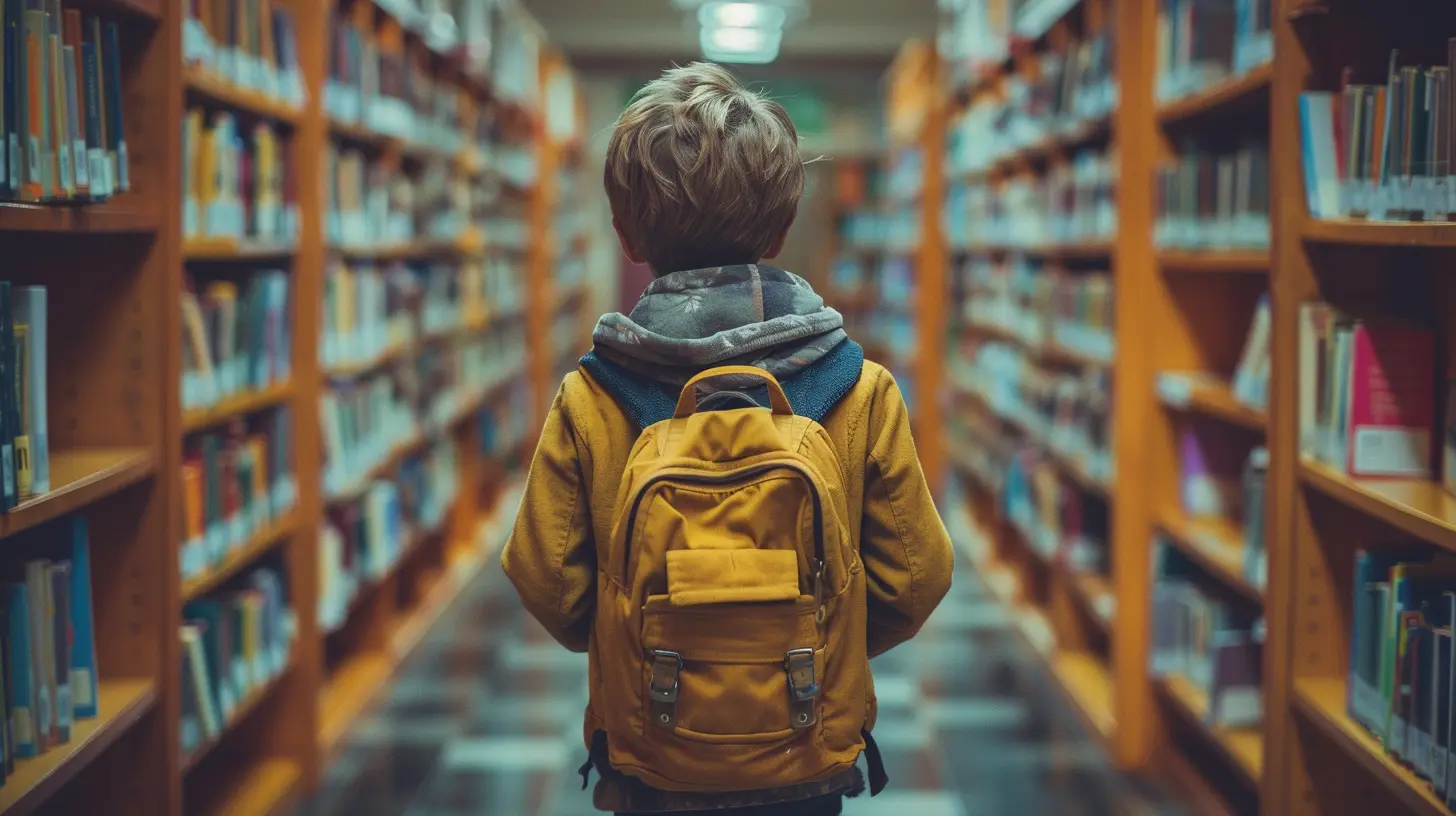
Spotting the Signs: What Should You Look For?
Anxiety wears many disguises. Some kids act out. Others shut down. Here are some warning signs that a child’s anxiety might be hurting their performance at school:- Sudden drop in grades
- Frequent absences or requests to come home early
- Trouble sleeping or frequent fatigue
- Refusing to speak or participate in class
- Perfectionism—getting overly upset about mistakes
- Physical complaints (headaches, stomachaches) with no medical cause
- Tearfulness or irritability over schoolwork
Do any of these sound familiar? Don’t panic. Identifying the signs is the first step to helping.
What's Really Going On in the Brain?
Let’s get a little science-y for a second—hang with me.The amygdala, the brain’s fear center, goes into overdrive when someone feels anxious. It’s great for keeping us safe in a crisis, but when it’s triggered too often, it starts messing with decision-making and memory—two things you need in school.
Meanwhile, cortisol—the stress hormone—floods the body. Over time, chronic stress can actually shrink areas of the brain related to learning. So yeah, anxiety isn’t just a “mental” issue. It creates real, physical changes in the brain.
How Parents and Teachers Can Help
Here’s the good news: anxiety is treatable. And there are a ton of ways adults can step in to support a struggling child.1. Open the Door to Conversation
Start simple. “Hey, I noticed you’ve seemed stressed about school lately. Want to talk about it?”Validate their feelings instead of brushing them off. Avoid saying things like, “It’s not a big deal,” or “Just try harder.” To them, it is a big deal.
2. Create a Safe Learning Environment
Teachers play a huge role here. Allowing quiet time, offering alternative ways to participate, or giving a heads-up before calling on students can ease a lot of stress.Even simple accommodations—like allowing breaks or extended test time—can make a world of difference.
3. Teach Coping Skills
Kids aren’t born knowing how to regulate anxiety—they have to learn.Introduce them to deep breathing, mindfulness, grounding techniques, or journaling. Think of it like packing a toolbox: the more tools they have, the better they’ll handle anxious moments.
4. Encourage Small Wins
Anxiety often convinces kids that they can’t do things. Help them prove that voice wrong.Celebrate small victories—answering one question in class, finishing a worksheet, going a whole week without a stomachache. These wins build confidence and show them that anxiety doesn’t run the show.
5. Consider Professional Help
If anxiety is starting to take over their life, it might be time to bring in the pros. Counseling, therapy (especially CBT), and in some cases, medication, can make a huge difference.There’s no shame in asking for help. In fact, it’s one of the bravest things a family can do.
The Long-Term Impact
If left unchecked, childhood anxiety doesn’t always go away with time. It can follow kids into high school, college, and adulthood—affecting not just academic performance but also relationships, careers, and mental health.But when it's addressed early? Kids don’t just survive school—they thrive in it.
Final Thoughts
So, how does childhood anxiety impact academic performance? In more ways than we probably realize. It steals focus, silences participation, and tricks kids into thinking they’re not good enough—even when they are.But here's the encouraging part: once we understand the signs and step in with support, we can help anxious kids not just get through school—but truly succeed in it.
Because every child deserves the chance to learn without fear.
all images in this post were generated using AI tools
Category:
Psychological Disorders In ChildAuthor:

Eliana Burton
Discussion
rate this article
2 comments
Zevonis McElveen
Oh, sure! Let’s just blame childhood anxiety for everything, right? I mean, who needs a healthy dose of motivation or study skills when you can just pin it all on a few anxious moments? Academic success is clearly just a straight line from playground jitters to diploma doom!
March 3, 2026 at 5:51 PM
Eliana Burton
It's not about blaming childhood anxiety for everything, but recognizing its real impact. Understanding these feelings can help us build better support systems and study skills for kids who struggle.
Upton McAlister
Childhood anxiety weaves a silent thread through academic journeys, subtly shaping perceptions and performance. What hidden fears linger beneath the surface, influencing not just grades, but the essence of learning itself?
February 3, 2026 at 4:39 PM
Eliana Burton
Absolutely, childhood anxiety profoundly impacts academic performance by influencing not just grades, but the overall learning experience. Recognizing and addressing these hidden fears is crucial for fostering healthier educational environments.