How Childhood Bullying Contributes to Long-Term Psychological Issues
23 August 2026
Let’s not sugarcoat it—childhood bullying is traumatic. It crushes self-esteem, breeds anxiety, and leaves invisible scars that can last a lifetime. It's not just some "kids being kids" scenario. Bullying digs deep into the psyche and, if unchecked, it has the power to shape how someone sees themselves and the world around them for years to come.
We’re talking about something far more serious than playground name-calling or the occasional shove in the hallway. This is about repeated emotional, physical, or psychological abuse during the most formative years of a person’s life. If that doesn’t sound like a big deal, think again.
In this article, we’re going to dig into how childhood bullying doesn't just stop when recess ends. Instead, it follows many into adulthood—whispering self-doubts, chipping away at confidence, and sometimes, leading to major mental health issues.
What Exactly Counts as Childhood Bullying?
Before jumping into the long-term stuff, let’s clarify something. Bullying isn’t just one thing—it shows up in many ugly forms:- Physical bullying: Punching, hitting, kicking, pushing—basically anything involving direct bodily harm.
- Verbal bullying: Name-calling, mocking, threatening, humiliating comments.
- Relational or social bullying: Spreading rumors, excluding someone, manipulating social relationships.
- Cyberbullying: Harassment over social media, text messages, emails—you name it.
The worst part? Most victims don’t talk about it. Trust me, it’s tough to speak up when you feel like the only one drowning in a sea of happy, carefree faces.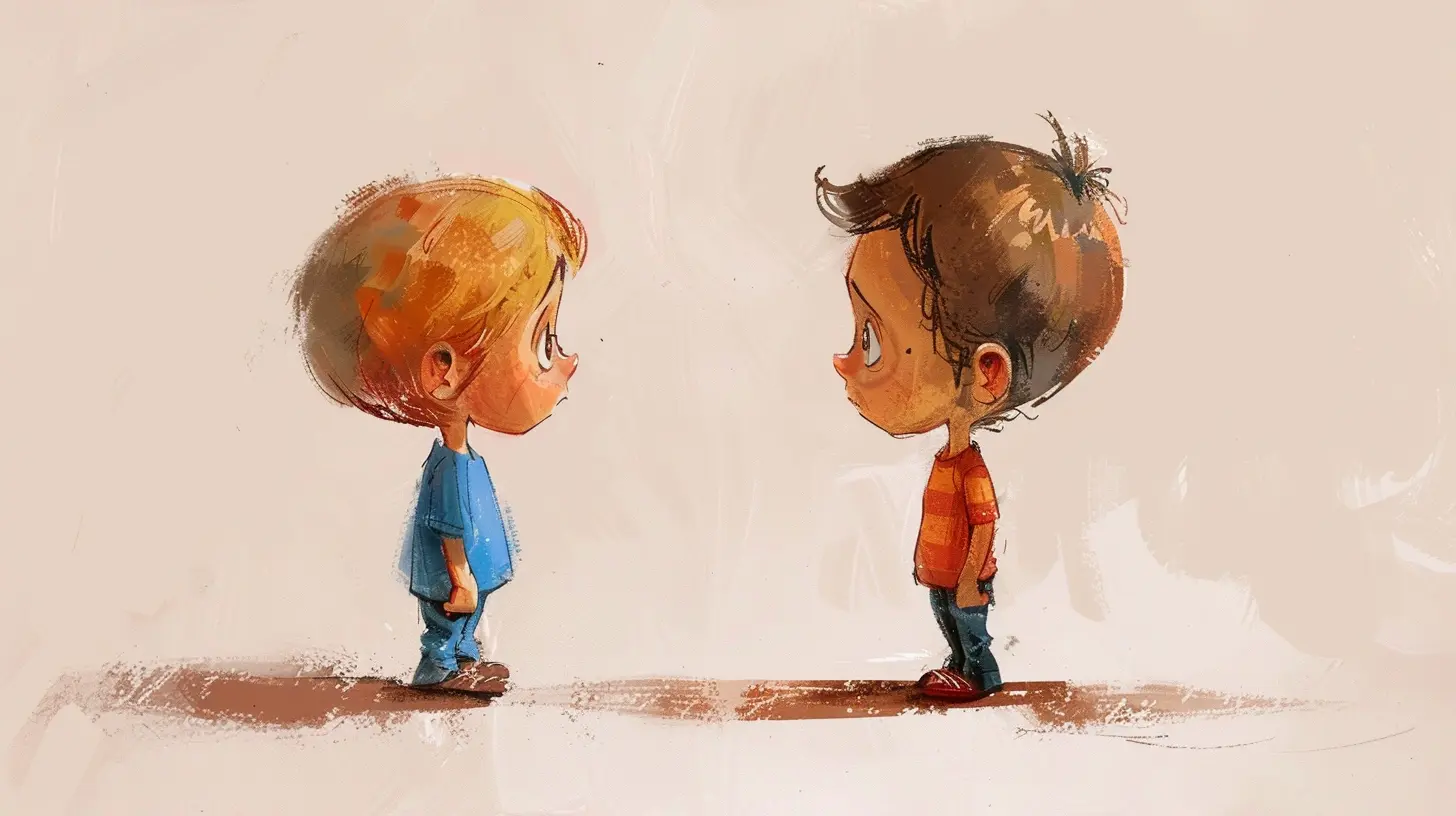
The Psychological Toll of Childhood Bullying
You might think once the bullying stops, someone just “gets over it.” No big deal, right? Nope. The truth is, childhood bullying can become a ticking time bomb for all sorts of mental health struggles later in life.1. Anxiety and Hypervigilance
The constant threat of being attacked or humiliated does something terrifying to the brain—it rewires it. Many kids who are bullied grow into adults who are anxious, on-edge, and always waiting for the next shoe to drop.It’s like they’re stuck in a state of high alert, even in safe environments. Social situations feel exhausting because their brain is scanning for danger. That overthinking? Yeah, it started when someone made school feel like a battlefield.
2. Depression and Hopelessness
Consistently being told you’re worthless or being excluded like you're invisible chips away at self-worth. These kids internalize the hate. They start believing the nasty things others say about them.Fast forward to adulthood and you see the same pattern: low self-esteem, poor self-image, and sometimes, full-blown depression. That feeling of helplessness? It often has roots in early bullying.
3. PTSD and Trauma Responses
This might surprise some, but yes—bullying can lead to Post-Traumatic Stress Disorder. Trauma isn’t just for war veterans or accident survivors. Emotional abuse leaves trauma too.Flashbacks, nightmares, emotional numbness—these aren't just dramatic reactions. They’re real responses to deep psychological wounds. Victims may avoid places, people, or even thoughts that remind them of those painful school years.
4. Social Withdrawal and Isolation
After being consistently targeted, bullied kids learn a dangerous lesson: “People are not safe.” They begin pulling back, even from those who mean well.And this isolation doesn’t always fade with age. Many carry it into adulthood, struggling to trust others, fearing intimacy, and often opting for solitude over connection. It's a lonely road, paved by early experiences that taught them relationships equal pain.
5. Suicidal Thoughts and Self-Harm
Let’s not tiptoe around this one—bullying can increase the risk of suicidal ideation and self-harm. When a child feels like they don’t belong, or worse, like they’re hated or unwanted, the emotional pain can become unbearable.Adults who were bullied often still carry those internalized feelings of worthlessness, leading them down dark paths if they don’t get help. It's heartbreaking, but it's real.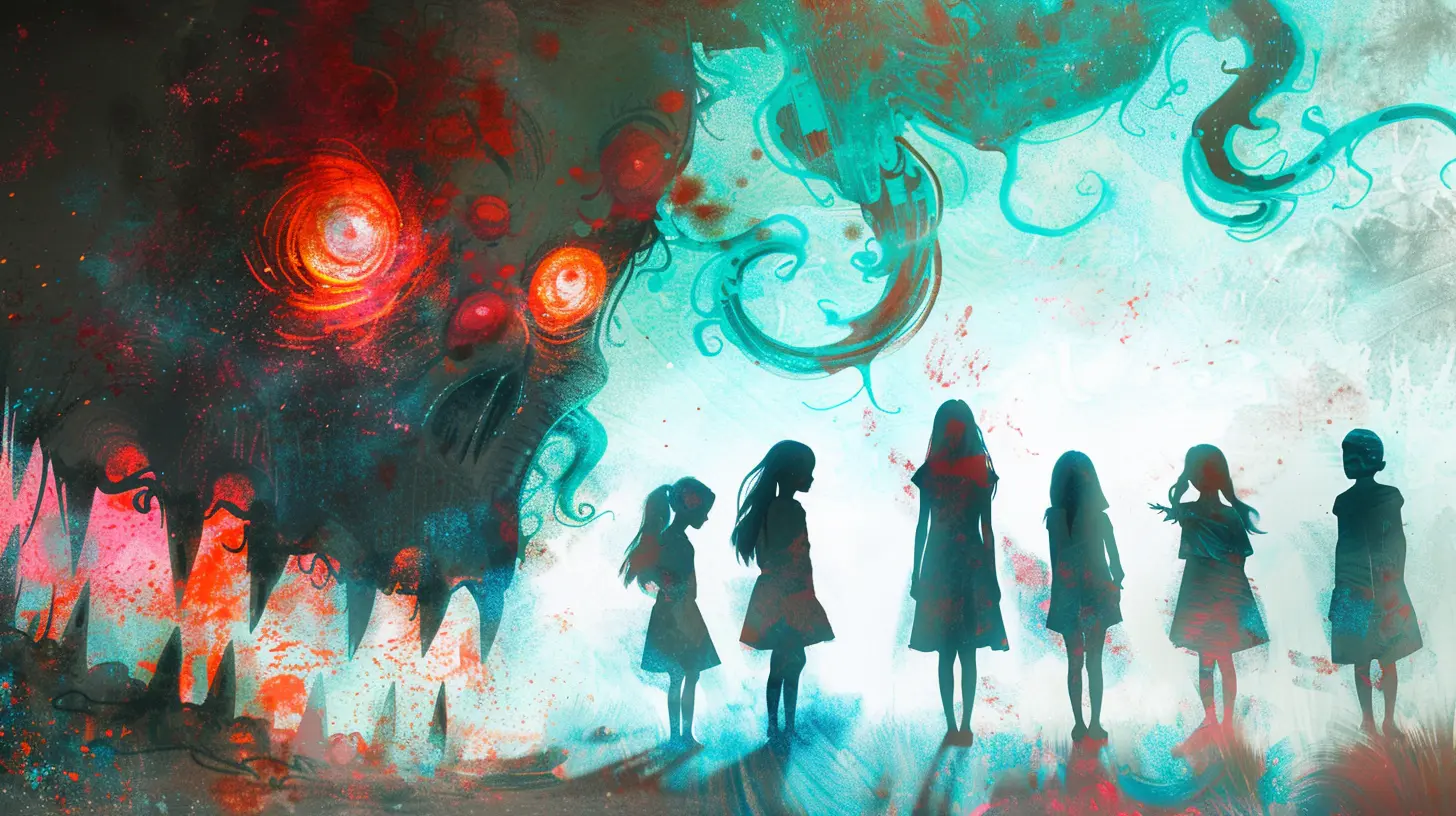
Why Does Bullying Affect Us So Deeply?
Here’s a simple truth: childhood is when our brain is still under construction. We're absorbing, adapting, and forming beliefs about who we are and how the world works. So, when a kid is bullied repeatedly, those experiences sneak into the foundation of their identity.Imagine trying to build a house on a shaky foundation. No matter how pretty the exterior looks, cracks will eventually show. That’s what bullying does to mental health over time.
Also, kids are wired to seek approval and connection. When they’re rejected or tormented instead, it scrambles their sense of self and safety.
The Domino Effect: Bullying’s Long Reach Into Adulthood
Here’s where things get even more real. Childhood bullying doesn’t just wreak havoc on mental health—it can impact every aspect of someone’s life down the line.1. Relationships
Trust issues? Intimacy problems? Fear of vulnerability? You bet bullying can lead to all of these. Someone who was bullied might assume people will hurt them, so they either push others away or cling too tightly.Romantic, platonic, or professional—relationships take a hit when someone’s early experiences scream, “Don’t get too close.”
2. Career and Academic Trajectory
Self-doubt and fear of judgment often hold victims back in school and at work. They might avoid leadership roles, fear public speaking, or second-guess their every decision. Why? Because deep down, a part of them still hears the bullies' voices saying, “You’re not good enough.”3. Physical Health
Yeah, the damage isn’t just in the mind. Chronic stress from bullying can lead to sleep disorders, headaches, gut issues, and more. The body remembers what the brain tries to forget.Can People Ever Fully Heal from Childhood Bullying?
Absolutely. But healing doesn’t mean pretending it didn’t happen or sweeping it under the rug. It means facing the pain, redefining your self-worth, and learning healthier coping mechanisms.Here's how people start to heal:
1. Therapy (Yes, It Helps)
Talking to a professional can make a world of difference. Cognitive Behavioral Therapy (CBT), EMDR (Eye Movement Desensitization and Reprocessing), and trauma-informed counseling can all help reframe those damaging beliefs rooted in bullying.2. Building a Supportive Tribe
Let’s be real: not everyone “gets it.” That’s why finding people who do—whether through support groups, friends, or online communities—can feel incredibly validating. You’re not alone, and hearing others’ stories can be surprisingly healing.3. Reclaiming Your Power
Many victims of bullying carry guilt or shame. But hear this loud and clear: it wasn’t your fault. Whether through journaling, self-care, boundary-setting, or learning to say “no,” reclaiming your power is a major step toward emotional freedom.What Parents and Educators Should Know
If you’re a parent, teacher, or just someone who works with kids—your awareness and actions matter. Being proactive can not only prevent bullying but also help kids recover from it early on.Here’s what you can do:
- Don’t minimize their experiences. "Toughen up" isn’t encouragement—it’s emotional invalidation.
- Watch for red flags: anxiety, school refusal, withdrawal, mood swings, or sudden changes in behavior.
- Model empathy and kindness: Kids mirror what they see.
- Create a safe space for open conversation: Let kids know they can talk about anything without fear of judgment.
Final Thoughts: It’s Not Just In The Past
Childhood bullying isn’t just a “phase” some people go through. It can have long-term, serious effects on someone’s mental health, self-image, and relationships. But the good news? Those wounds aren’t permanent—they can heal with time, effort, and support.If you’ve been bullied, give yourself some grace. You survived something really hard. And if you're helping someone who has been through it, just know that your love and patience might be the lifeline they need.
Let’s stop brushing off bullying as harmless or minor. It matters—a lot. And so does recovery.
all images in this post were generated using AI tools
Category:
Psychological Disorders In ChildAuthor:

Eliana Burton
Discussion
rate this article
1 comments
Solenne Potter
Childhood bullying leaves scars that can last a lifetime.
August 24, 2026 at 3:12 AM
Eliana Burton
Absolutely, the impact of childhood bullying can be profound and long-lasting, shaping one's mental health for years to come. It's crucial to address this issue early.