Managing Stress: Practical Tips for Emotional Balance
29 December 2025
Life can feel like a juggling act sometimes, right? Between work, family, relationships, and personal goals, it’s no wonder many of us feel overwhelmed. Stress has become a constant companion for many, and while a little stress can sometimes be motivating, too much of it can wreak havoc on our emotional and physical well-being. But here's the kicker: managing stress is not just about avoiding it (because that's impossible), but learning how to handle it effectively.
In this article, we’ll dive into practical tips for managing stress and maintaining emotional balance. From understanding what stress is to learning how to cope with it on a daily basis, you’ll walk away with actionable strategies that can help bring a little zen back into your life.
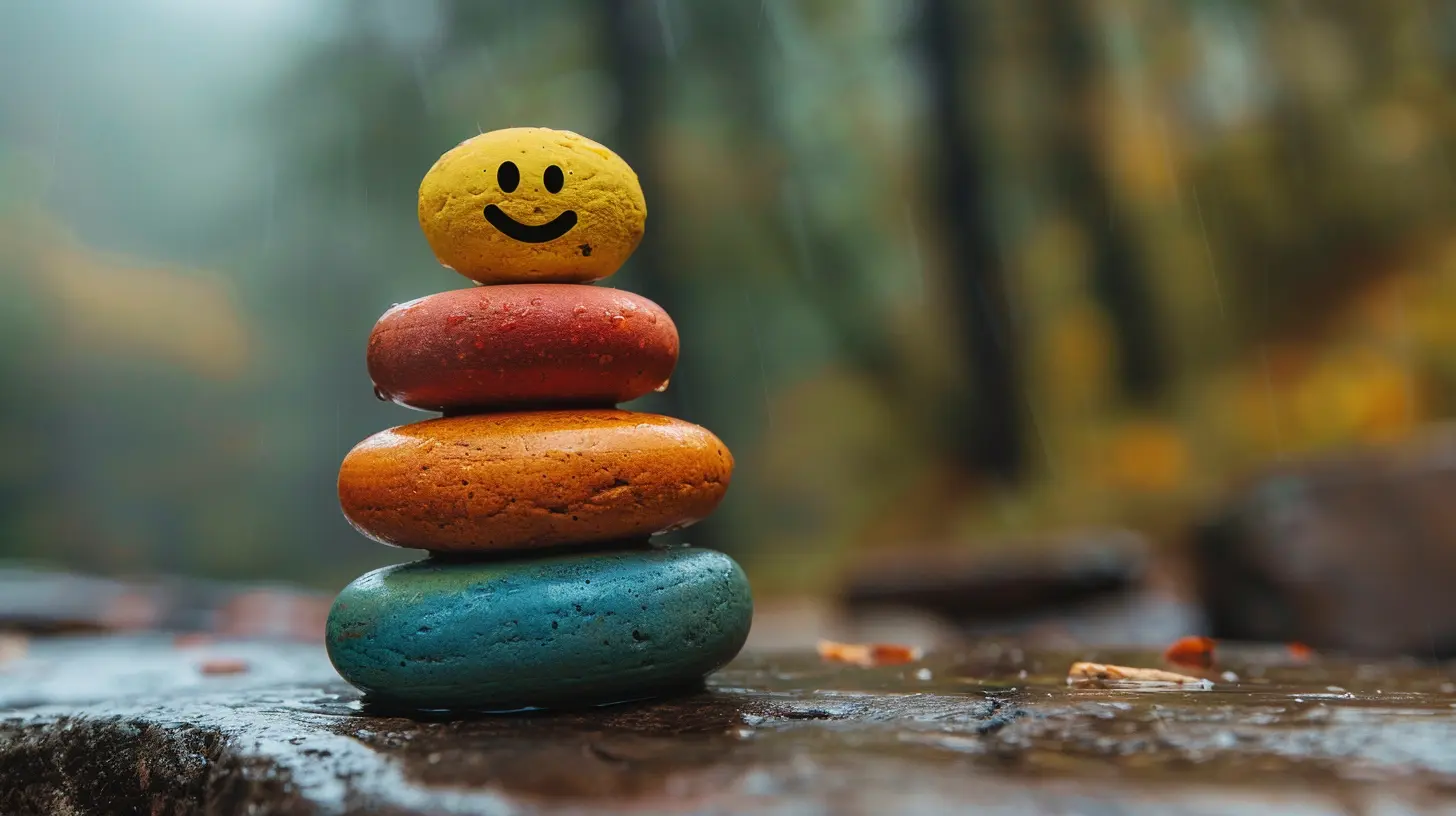
What Is Stress, Exactly?
Before we jump into the solutions, let's get clear on what we're dealing with. Stress is your body's way of responding to any challenge or demand. When you perceive something as threatening (even if it’s a looming deadline), your body kicks into "fight-or-flight" mode. Your heart races, your muscles tense, and your brain is suddenly hyper-focused.But here’s the thing: your body doesn’t always know the difference between a lion chasing you in the wild and an angry email from your boss. It reacts the same way to both.
Stress isn’t always bad, though. Short bursts of stress can actually help you stay alert and motivated. But chronic stress? That’s where the trouble starts. It can lead to anxiety, depression, and even physical issues like headaches, heart disease, and a weakened immune system.
So, how do we manage it?
Practical Tips for Managing Stress
1. Identify Your Stress Triggers
You can’t fix what you don’t understand, right? One of the first steps to managing stress is figuring out what’s causing it. Take a moment to reflect on situations, people, or tasks that make you feel stressed. Is it work-related? A relationship issue? Financial worries?Grab a journal or use a stress tracker app and jot down when you feel stressed and what triggered it. Over time, patterns will emerge, and you'll get a clearer picture of your stressors.
Pro Tip: Not all stressors are obvious. Sometimes, the things that stress us out are subtle, like a cluttered workspace or even our own perfectionism.
2. Practice Mindfulness and Meditation
You don’t need to sit in a lotus position for hours to benefit from mindfulness. Mindfulness is about paying attention to the present moment without judgment. It’s like giving your brain a break from worrying about the past or future.Meditation is one of the best ways to practice mindfulness. Even just five minutes a day can make a big difference. Apps like Headspace or Calm can guide you through simple meditation exercises.
When you slow down and focus on your breath, your nervous system gets a chance to calm down, and you create space between you and your stress. It’s like hitting the reset button.
Pro Tip: If meditation feels too intimidating, start small. Try mindful breathing exercises where you focus on your breath for just a minute at a time.
3. Get Moving - Exercise
We’ve all heard it before, but it’s worth repeating: exercise is one of the best natural stress relievers out there. When you exercise, your body releases endorphins—those feel-good chemicals that help improve your mood and reduce feelings of stress.You don’t need to run a marathon to see benefits. A simple 30-minute walk, a yoga session, or even dancing in your living room can do the trick. The key is to move your body in any way that feels good to you.
Pro Tip: If you're pressed for time, try "exercise snacks" – short bursts of activity throughout your day. A quick walk around the block or a 10-minute stretch session can work wonders for your stress levels.
4. Set Healthy Boundaries
Do you ever feel like you’re being pulled in a million directions? That’s a sure sign that you need stronger boundaries. Saying "yes" to everything can lead to burnout, fast. It’s okay to say "no" sometimes.Start by identifying areas where you feel overwhelmed. Are you taking on too much at work? Are you feeling drained by certain relationships? Once you’ve identified these areas, start setting limits. Remember, you can’t pour from an empty cup.
Pro Tip: Practice saying "no" with kindness but firmness. If you feel guilty, remind yourself that setting boundaries is an act of self-care.
5. Prioritize Sleep
When you’re stressed, sleep is often the first thing to go. But here’s the catch: lack of sleep makes stress worse. It’s a vicious cycle.Make sleep a priority by creating a bedtime routine that helps you wind down. Turn off screens an hour before bed, dim the lights, and do something relaxing like reading or journaling. Aim for 7-9 hours of quality sleep each night.
Pro Tip: If you have trouble falling asleep due to racing thoughts, try a "brain dump" before bed. Write down everything that’s on your mind in a journal, so you can let it go for the night.
6. Practice Gratitude
It might seem counterintuitive, but focusing on the positive can help reduce stress. When you’re stressed, it’s easy to get stuck in a loop of negative thinking. Gratitude helps shift your focus to what’s good in your life.Try keeping a gratitude journal where you write down three things you’re grateful for each day. They don’t have to be big things—the smell of coffee in the morning, a text from a friend, or even the fact that you have a roof over your head can make the list.
Pro Tip: Pair gratitude with mindfulness. When you’re feeling stressed, pause and think of one thing you're thankful for in that moment. It’s a quick way to change your mindset.
7. Connect With Others
Humans are social creatures, and sometimes, the best way to manage stress is to lean on others. Whether it’s talking to a friend, family member, or therapist, sharing how you feel can help lighten the load.Social support is one of the strongest buffers against stress. When you feel connected and supported by others, you’re more resilient in the face of challenges. Don’t be afraid to reach out when you need a listening ear.
Pro Tip: Schedule regular check-ins with a friend or loved one. Even a 10-minute chat can make a big difference in how you feel.
8. Limit Caffeine and Sugar
I know, I know—coffee and sugary snacks can feel like your best friends during stressful times. But here’s the thing: too much caffeine and sugar can actually make stress worse. They can spike your energy levels, only to leave you crashing later.If you’re feeling stressed, try cutting back on caffeine and replacing sugary snacks with healthier options like fruits or nuts. Your body (and mind) will thank you.
Pro Tip: If you’re a die-hard coffee fan, try switching to green tea. It still has caffeine but in smaller amounts, and it contains L-theanine, which promotes relaxation.
9. Engage in Hobbies and Creative Outlets
When was the last time you did something just for fun? Engaging in hobbies or creative outlets can be a powerful way to manage stress. Whether it’s painting, knitting, gardening, or playing an instrument, doing something you enjoy helps take your mind off stress and boosts your mood.Creativity is like a pressure valve for stress. When you focus on creating something, you give your brain a break from overthinking and worrying.
Pro Tip: Schedule time for your hobbies just like you would a meeting or appointment. It’s easy to let fun activities fall by the wayside when life gets busy, but they’re essential for maintaining balance.
The Importance of Self-Care
At the end of the day, managing stress comes down to one fundamental concept: self-care. Taking care of yourself isn’t selfish; it’s necessary for your emotional and physical well-being. Whether it’s through exercise, mindfulness, or setting boundaries, find what works for you and make it a priority.Remember, you can’t eliminate stress entirely (life happens), but you can learn how to manage it in a way that keeps you feeling balanced and in control.
Conclusion
Stress is an inevitable part of life, but that doesn’t mean it has to control you. By identifying your stress triggers, practicing mindfulness, moving your body, and prioritizing self-care, you can build resilience and keep stress levels in check.It’s all about balance. Some days will be harder than others, and that’s okay. The key is to keep showing up for yourself and making small, consistent changes that support your well-being.
You've got this!
all images in this post were generated using AI tools
Category:
Emotional Well BeingAuthor:

Eliana Burton
Discussion
rate this article
2 comments
Ainsley Moses
True emotional balance requires embracing stress as a catalyst for growth.
February 6, 2026 at 3:49 AM
Eliana Burton
Absolutely! Embracing stress can indeed lead to personal growth and resilience, making it a valuable part of achieving emotional balance.
Fiona Ford
This article offers valuable insights into stress management. I appreciate the practical tips and relatable examples, which remind me that emotional balance is achievable.
December 29, 2025 at 4:20 PM
Eliana Burton
Thank you! I'm glad you found the insights and tips helpful in achieving emotional balance. Your feedback is greatly appreciated!